
Building a Strong Foundation: Teaching the Quran to Kids
Nurturing a Lifelong Connection: Teaching the Quran to Kids for Spiritual Growth and Islamic Identity

Teaching the Quran to kids is an essential aspect of nurturing their Islamic identity and building a strong foundation in faith. The Quran serves as a guide for Muslims, providing them with spiritual guidance, moral values, and a deep connection to Allah. In this article, we will explore the importance of teaching the Quran to children and provide practical tips on how to make the learning process engaging, effective, and enjoyable for young learners.
Instilling Love and Reverence for the Quran:
One of the primary goals of teaching the Quran to kids is to instill in them a love and reverence for the holy book. This can be achieved by creating a positive and welcoming environment where children feel excited to engage with the Quran. Encourage children to explore the Quran with curiosity, highlighting its beauty, wisdom, and relevance to their daily lives. Through storytelling, discussions, and age-appropriate explanations, foster a deep appreciation for the Quran as a source of guidance and a spiritual connection with Allah.
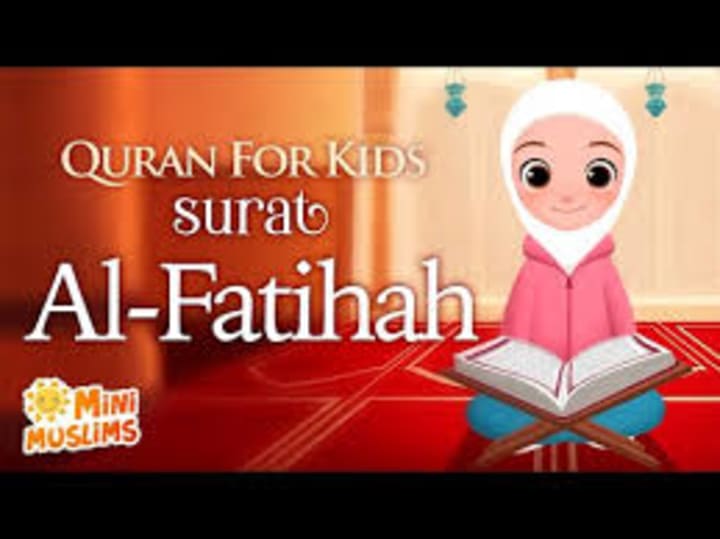
Age-Appropriate Learning Approaches:
When teaching the Quran to children, it is crucial to consider their age and developmental stage. Younger children can begin by learning the Arabic alphabet and basic Quranic words, while older children can gradually progress to reading and understanding verses from the Quran. Utilize age-appropriate learning materials, such as colorful picture books, interactive apps, and audio recordings, to make the learning process engaging and accessible. Incorporate fun activities like quizzes, games, and competitions to reinforce learning and make it enjoyable for children.
Memorization and Tajweed:
Memorizing verses from the Quran is a significant aspect of teaching children. Start with shorter chapters and gradually progress to longer passages, allowing children to build their memorization skills over time. Introduce the principles of Tajweed, the proper recitation of the Quran, to help children develop correct pronunciation and rhythm. Encourage regular revision and provide positive reinforcement to motivate children in their memorization journey. Celebrate milestones and achievements to boost their confidence and sense of accomplishment.
Meaningful Comprehension:
While memorization is important, it is equally crucial to help children understand the meaning of the Quranic verses. Teach them the basic concepts and messages conveyed in the verses they are learning. Use age-appropriate explanations, stories, and examples to help children connect the teachings of the Quran for kids with their daily lives. Encourage discussions and reflections on the moral values, virtues, and guidance provided in the Quran, fostering a deeper understanding of its relevance and application.

Role Modeling and Family Engagement:
Children learn best through observation and emulation. As adults, it is vital to set a positive example by reciting and engaging with the Quran ourselves. Establish a regular family routine of Quran recitation, reflection, and study, involving children in these activities. Create a comfortable and supportive environment where children feel encouraged to ask questions, seek clarifications, and share their thoughts on the Quranic teachings. By actively engaging with the Quran as a family, children develop a sense of belonging and a lifelong connection to the holy book.
Qualified and Supportive Teachers:
When teaching the Quran to children, it is beneficial to seek the guidance of qualified and knowledgeable teachers. Look for reputable Islamic schools, Quranic study centers, or online programs that specialize in teaching the Quran to kids. Qualified teachers can provide structured lessons, guidance in Tajweed, and age-appropriate teaching materials. Their expertise and experience ensure that children receive proper instruction and a comprehensive understanding of the Quran.
Conclusion:
Teaching the Quran to kids lays the foundation for their spiritual growth, moral development, and Islamic identity. By instilling love and reverence for the Quran, utilizing age-appropriate learning approaches, focusing on memorization and comprehension, fostering family engagement, and seeking qualified teachers, we can create a nurturing environment for children to connect with the Quran. Through this journey of learning, children develop a deep appreciation for the Quran's teachings, strengthen their relationship with Allah, and acquire the tools to lead righteous and fulfilling lives. May the guidance and blessings of the Quran illuminate the path of our children, instilling in them a strong foundation in faith that will guide them throughout their lives.
About the Creator
Keep reading
More stories from writers in Education and other communities.
Why Companies Depend on Business Consultants During Periods of Major Change
Change has become a constant reality for businesses across industries. Organizations today must adapt to digital transformation, shifting customer expectations, economic uncertainty, regulatory changes, and internal restructuring. These transitions often require fast, high-impact decisions that influence long-term stability, profitability, and competitive advantage. Managing change effectively is no longer optional; it is a critical leadership responsibility.
By Nicole Metza day ago in Education
💥 The Spark of Challenge
🕯️ The Spark of Frustration and the Beginning from the Arch In an old basement, redolent with the beauty of maps of failed attempts, sat Salem, five years old, filled with rejection letters. Salem had no capital, no connections, not even enough light to read, only a computer screen illuminating his weary face. The world was tempting him to give up, but in that moment, he decided, fueling his bitter frustration with a refusal to bring down a real ceiling himself, to become an unquenchable spark. This wasn't just a new business venture; it was a cry of rejection against everyone who told him, "You can't do it."
By Mohamed Hamdy5 days ago in Education
Self Help: Grifters' Gospel
On Self-Help, Snake Oil, and the Illusion of Change Psychology professionals and students can be imagined on two opposite sides of a line called self-help books: likely a larger group opposes pop-science and step-by-step manuals filled with talk of success, journaling, and not giving a f**k; others love them, but they aren’t many.
By Avocado Nunzella BSc (Psych) -- M.A.P 4 days ago in BookClub


Comments
There are no comments for this story
Be the first to respond and start the conversation.