

BREAST AND BRA
Elements of Breasts and Bras: Understanding Their Relationships
Breasts are an important aspect of the female anatomy, representing femininity, sexuality and fertility. Their main biological function is to produce milk for feeding infants, but they also have social and cultural significance. Developed specifically to support the breasts, bras have become an integral part of women's everyday lives. This article examines the relationship between breasts and bras, highlights their importance and factors to consider, and debunks common misconceptions.
The Importance of Breasts:
Breasts play an important role in a woman's physical and mental health. In addition to reproductive function, it also contributes to body image, self-confidence, and sexual identity. Women's breasts vary greatly in size, shape, and density, but these differences are normal and natural. Societal perceptions of the ideal breast size and shape have evolved over time and have been influenced by media, fashion and cultural norms. It's important to promote body positivity and accommodate different breast types and sizes.
About the Bra:
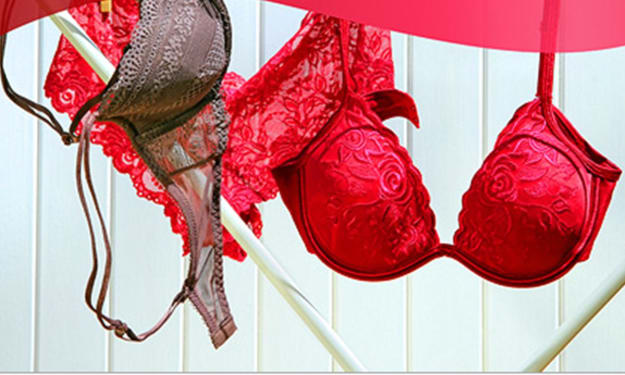
The bra is an undergarment designed to support and shape the breasts. It provides comfort, reduces discomfort during physical activity, and reduces back and shoulder pain by evenly distributing weight across the chest. Bras come in a variety of styles, including full coverage, demi cups, balconettes, and sports bras to meet different needs and preferences. Finding the right bra size is important for optimal support and comfort. We recommend having it professionally fitted or measured to ensure an accurate fit.
Factors to consider when choosing a bra:
1. Sizing: To determine the correct bra size, you need to measure your band size (chest circumference) and cup size (bust volume). A well-fitting bra should not dig or mark, and the cups should completely envelop your breasts with no leaks or gaps.
2. Level of Support: Different activities require different levels of support. For example, sports bras provide maximum support and minimize breast movement during physical activity. Lightly padded or wireless bras ensure everyday comfort.
3. Styles and Designs: Bras come in a variety of styles, colors and fabrics, allowing women to express their style. From sharp and delicate to functional and practical, we have a variety of bra designs to suit all occasions and tastes.
Debunking Myths and Misconceptions:
1. Bras Cause Breast Cancer: This myth lacks scientific evidence. There is no direct relationship between wearing a bra and developing breast cancer. Regular breast self-exams, clinical examinations, and mammograms are essential for breast health.
2. Sleeping in a bra prevents sagging: Wearing a bra overnight may provide temporary support, but there is no evidence that it will prevent sagging in the long term. Factors such as genetics, age, pregnancy, and weight fluctuations all contribute to sagging breasts.
3. Push-up bras are the only option for people with small breasts. Push-up bras accentuate your cleavage, but they're not the only option for women with smaller breasts. Balconette bras and padded bras help shape and support without accentuating your cleavage for a natural, comfortable fit.
Breast Care
Breast care is an important aspect of a woman's overall health and well-being. Here are some important breast care tips.
1. Self-examination: Perform regular breast self-examinations to get an idea of how your breasts normally look and feel. This helps identify changes and anomalies. If you notice a lump, change in size or shape, nipple discharge, or skin changes, call your doctor right away.
2. Laboratory Tests: Arrange regular breast laboratory tests with your doctor. Identify potential problems and offer breast health advice.
3. Mammogram: Follow recommended guidelines for mammogram screening. Mammography is very important for early detection of breast cancer, even before noticeable symptoms appear. Talk with your doctor about when and how often you should have mammograms based on your age, family history, and other risk factors.
4. Healthy Lifestyle: Maintain a healthy lifestyle to reduce your risk of breast problems. These include regular exercise, a balanced diet rich in fruits and vegetables, limiting alcohol intake, and avoiding smoking.
5. Supportive bra: Wear a well-fitting bra that provides adequate support. A good bra can help prevent discomfort, back and shoulder pain, and minimize chest movement during exercise. Get a professional fitting or measure yourself to make sure you have the correct bra size.
6. Moisturize: Moisturize the breast and surrounding skin to prevent dryness and irritation. Use a gentle moisturizer or natural oil to keep your skin hydrated.
7. Sunscreen: When you expose your chest to the sun, apply a high SPF sunscreen to protect your skin from harmful UV rays. Sunburn can damage the skin and increase the risk of skin cancer.
8. Breastfeeding: If you decide to breastfeed, seek information and support to ensure a successful and comfortable experience. Proper sucking, positioning and regular breastfeeding promote milk production and prevent common problems such as mastitis.
9. Hormonal Balance: Maintain a healthy hormonal balance by managing stress, getting enough sleep, and participating in stress-reducing activities such as yoga, meditation, and breathing exercises.
10. Body Awareness: Pay attention to changes occurring in your body and chest. If you notice any unusual signs or symptoms, it's important to trust your instincts and see a doctor.
Remember that every woman's breasts are different and it's important to accept and appreciate your body. Practicing good breast care habits and seeing your doctor regularly can help promote breast health, identify potential problems early, and lead to better outcomes.
Conclusion:
Understanding the relationship between breasts and bras is very important for all women. Breasts are unique and diverse, and respecting their individuality is essential to body positivity. As supportive underwear, bras play an important role in enhancing comfort, confidence and physical health. By considering factors such as size, support level, and personal style, women can find the perfect bra that meets their needs, ensuring optimal support and comfort throughout the day.
About the Creator
Keep reading
More stories from Olanrewaju IsaacJoseph and writers in Education and other communities.
BRA SIZING AND FIT FOR PLUS-SIZE WOMEN
Introduction: Proper bra size and fit are essential for all women, regardless of body shape and size. However, finding the right bra can be especially difficult for plus size women. To improve comfort, support and confidence, it is important to consider individual considerations and provide the best possible fit. About
By Olanrewaju IsaacJoseph3 years ago in Education
How Social Media Helps Small Businesses Grow Faster
Small businesses need smart ways to grow without large budgets. Social media offers one of the fastest and most affordable paths. When used well, it helps small brands reach new customers, build trust, and drive steady sales. Growth that once took years can now happen in months.
By Michael Kazma6 days ago in Education
Prevention First: How Proactive Medical Care Builds Stronger Communities
Preventive medical care plays a critical role in shaping healthier communities. When people receive care before illness develops, they avoid many severe conditions. This approach improves quality of life and reduces strain on healthcare systems. Moreover, prevention supports long-term wellness rather than short-term treatment. Communities that prioritize preventive care experience lower rates of chronic disease. As a result, individuals remain active and productive. Preventive care, therefore, serves as the foundation for sustainable public health.
By St. John's Community Health3 days ago in Education



Comments
There are no comments for this story
Be the first to respond and start the conversation.