
"Breaking the Glass Ceiling
Empowering Women in Leadership Roles for a Sustainable Future.
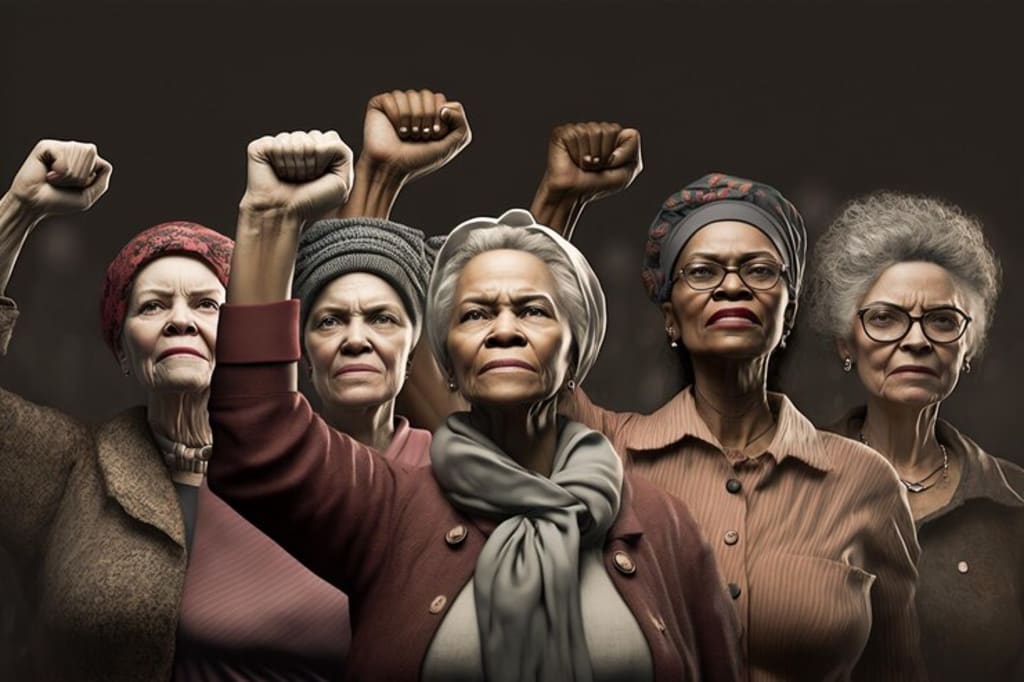
Breaking the Glass Ceiling: Empowering Women in Leadership Roles for a Sustainable Future
In recent decades, the world has witnessed significant progress in breaking the glass ceiling that has long hindered women's advancement in leadership roles. While this progress is commendable, there is still much work to be done to ensure gender equality at the highest echelons of leadership. Empowering women in leadership roles is not only a matter of justice and equality but also a crucial step towards building a sustainable future for our global society. This comprehensive passage explores the importance of empowering women in leadership, provides examples of successful initiatives, and references research highlighting the benefits of gender diversity in leadership.
Empowering women in leadership roles is essential because it taps into a vast pool of untapped talent and perspectives. Research consistently shows that diverse leadership teams are more innovative and better equipped to solve complex problems. A study by McKinsey & Company found that companies with more women in executive roles are 21% more likely to outperform their counterparts in terms of profitability. When women are in leadership positions, they bring unique viewpoints, experiences, and skills to the table, enhancing an organization's decision-making process.
Furthermore, gender diversity in leadership fosters a culture of inclusivity and equality within organizations. Companies that prioritize gender diversity tend to have better employee morale, lower turnover rates, and improved customer relations. These positive outcomes result from a workplace environment that values diversity, respects different perspectives, and promotes fairness.
One notable example of an initiative aimed at empowering women in leadership is the "30% Club." Founded in the United Kingdom in 2010, this campaign seeks to achieve a minimum of 30% female representation on corporate boards. The organization has expanded globally and has inspired numerous companies to make gender diversity a priority. Companies like Unilever, Diageo, and Aviva have made significant strides in increasing the number of women in leadership roles by adopting the 30% Club's principles.
In politics, too, progress is being made. Iceland, for instance, is celebrated for its commitment to gender equality in politics. In 1980, Iceland became the first country to elect a female president, Vigdís Finnbogadóttir. Since then, it has continued to prioritize gender balance in its government, passing legislation that requires political parties to have at least 40% of each gender among their candidates. This commitment to women's leadership has resulted in Iceland consistently ranking as one of the most gender-equal countries in the world.
Education is another arena where empowering women in leadership is crucial for a sustainable future. When women have access to quality education and opportunities for leadership in academia, they can contribute to groundbreaking research and innovative solutions. For example, Dr. Jennifer Doudna, a biochemist and Nobel laureate, co-discovered the revolutionary CRISPR-Cas9 gene-editing technology. Her contributions exemplify how women in leadership roles can advance science and technology for the benefit of society.
Moreover, women's leadership is essential in addressing global challenges such as climate change. Women are often disproportionately affected by the impacts of climate change, yet they also play a crucial role in sustainable development. Women like Greta Thunberg have become prominent voices in the fight against climate change, inspiring youth-led movements worldwide. Empowering women to take leadership roles in environmental organizations, government agencies, and corporate sustainability initiatives can lead to more comprehensive and effective solutions to the climate crisis.
In conclusion, empowering women in leadership roles is not just a matter of gender equality; it is a strategic imperative for building a sustainable future. The evidence is clear: diverse leadership teams lead to better decision-making, increased innovation, and improved organizational performance. Initiatives like the 30% Club and Iceland's gender-balanced politics demonstrate the positive impact of intentional efforts to promote women in leadership. In education and fields like science and environmental activism, women have already shown their capacity to drive positive change. As we continue to break the glass ceiling, we must recognize that gender diversity in leadership is not only a moral obligation but a pathway to a more equitable and sustainable world. By harnessing the talents and perspectives of women in leadership, we can address the complex challenges of our time and work towards a brighter future for all.
About the Creator
Keep reading
More stories from Asare Andrews and writers in Education and other communities.
Embracing the Spirit of Celebration.
As the crisp autumn breeze begins to sweep through the trees, it signals the approach of a season that brings unparalleled joy and warmth into our lives. Yes, it's that time of the year when we start preparing for December's Month of Joy, right from September. While some may argue it's a tad too early to dive into the festive spirit, there's a certain magic in embracing the holiday season well in advance. It allows us to craft happiness, create cherished memories, and truly savor the spirit of celebration.
By Asare Andrews3 years ago in Feast
How Genomics Powers Humanitarian Impact Across Global Communities
Genomics powers humanitarian impact by using genetic science to solve urgent human problems. Genomics is the study of all genes in a living being. It helps experts understand how diseases spread, how bodies respond to treatment, and how crops survive harsh weather. Today, genomics powers humanitarian impact in health care, agriculture, disaster response, and public planning. It brings science closer to communities that face daily risks.
By Mark Bouzyk3 days ago in Education
I was in a Toxic Relationship, with my Workplace
“You got that?” My ex yelled. His hands were balled into fists at his side. At six foot three, he towered over me. A normal person would have been afraid, but I looked up a video of George Lopez repeatedly saying, “I got this,” and showed it to him. I had grown used to this treatment, so much so that I didn’t blink when he ripped the phone from my hand and threw it across the room.
By Jade M.7 days ago in Confessions



Comments
There are no comments for this story
Be the first to respond and start the conversation.