
Breaking Barriers: Confronting the Persistent Issue of Racism
racism

Racism remains a pressing issue in our society, affecting individuals, communities, and institutions. This blog aims to delve into the complex and multifaceted nature of racism, explore its historical roots, and shed light on the systemic challenges that perpetuate discrimination. By fostering awareness, empathy, and action, we can begin the transformative journey toward a more inclusive and equitable world.
Defining Racism:
Unraveling the concept: Exploring the definition of racism and differentiating it from prejudice and discrimination.
Forms of racism: Examining the various manifestations of racism, including overt acts, microaggressions, and institutional biases.
Intersectionality: Understanding the interconnectedness of racism with other forms of oppression, such as sexism, homophobia, and ableism.
Historical Context:
Roots of racism: Tracing the historical origins of racism and its links to colonialism, slavery, and the exploitation of marginalized communities.
Legacy of racism: Investigating the lasting impacts of historical injustices, such as racial disparities in wealth, education, and access to opportunities.
Landmark movements: Highlighting significant civil rights movements and activists who fought against racism, including the Civil Rights Movement and anti-apartheid struggle.
Systemic Racism:
Unveiling systemic biases: Analyzing how racism is embedded within social, economic, and political systems, perpetuating inequality and marginalization.
Education and the achievement gap: Discussing disparities in educational outcomes for marginalized communities and the need for equitable access to quality education.
Criminal justice system: Exploring racial profiling, mass incarceration, and the disproportionate impact of law enforcement practices on communities of color.
Impact on Individuals and Communities:
Psychological toll: Examining the psychological impact of racism on individuals, including stress, anxiety, and internalized racism.
Health disparities: Investigating the disproportionate health outcomes experienced by marginalized communities and the role of systemic racism in these disparities.Introduction:
Racism is a deeply entrenched problem that continues to plague our society, perpetuating inequality, prejudice, and injustice. In this blog, we will explore the concept of racism, its impact on individuals and communities, and the urgent need for collective action to dismantle it. By fostering awareness, empathy, and understanding, we can work towards building a more inclusive and equitable world.
Defining Racism:
Racism encompasses beliefs, attitudes, and actions that result in the discrimination, marginalization, or mistreatment of individuals based on their race or ethnicity. It involves the power dynamics that reinforce systemic biases, perpetuating advantages for some while disadvantaging others.
Understanding the Impact:
Racism has far-reaching consequences on individuals and communities. It fosters a climate of fear, insecurity, and exclusion for marginalized groups. It hampers educational opportunities, limits access to healthcare and employment, and undermines social cohesion.
The Roots of Racism:
Racism often stems from historical factors, such as colonialism, slavery, and segregation, which have left a lasting impact on society. Examining these historical roots helps us understand the structural barriers that marginalized communities face today.
Recognizing Individual Biases:
Implicit biases are unconscious attitudes and stereotypes that influence our perceptions and actions. Recognizing and addressing these biases is crucial in dismantling racism. Engaging in self-reflection and actively challenging our own preconceptions can lead to personal growth and promote empathy.
Promoting Awareness and Education:
Education plays a vital role in combating racism. By fostering dialogue, sharing diverse perspectives, and promoting inclusive curricula, we can empower individuals to recognize and challenge discrimination. It is essential to learn from history, engage in open conversations, and confront uncomfortable truths.
Cultivating Empathy and Solidarity:
Developing empathy is crucial in breaking down the barriers of racism. By actively listening to and understanding the experiences of marginalized communities, we can work towards building bridges of understanding and allyship. Supporting and amplifying marginalized voices is an essential step in fostering empathy and collective action.
Creating Inclusive Spaces:
Creating inclusive spaces in our communities, workplaces, and institutions is key to combating racism. This involves challenging discriminatory policies, fostering diverse representation, and promoting equity in decision-making processes. It also means actively addressing and dismantling systemic biases that perpetuate inequality.
Advocacy and Activism:
Individuals can contribute to the fight against racism through advocacy and activism. This can involve participating in peaceful protests, supporting grassroots organizations, and engaging in civic activities that promote social justice. Together, we can create a collective voice that demands change and holds institutions accountable.
Conclusion:
Racism is a deeply rooted and complex issue that requires collective effort to overcome. By fostering awareness, challenging biases, promoting education, and cultivating empathy, we can begin to dismantle the barriers that perpetuate racism. Let us stand united in the pursuit of justice, equality, and a future where everyone is treated with dignity and respect, regardless of their race or ethnicity.
About the Creator
Justin Ciurar
IDK WRITE RANDOM THINGS
Keep reading
More stories from writers in Education and other communities.
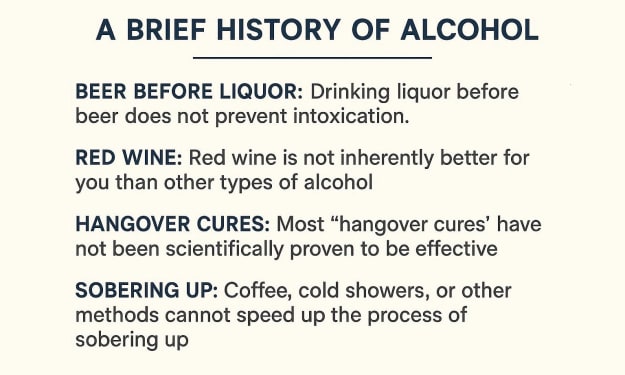
A brief history of alcohol
This chimpanzee stumbles across a windfall of overripe plums. Many of them have split open, drawing him to their intoxicating fruity odor. He gorges himself and begins to experience some… strange effects. This unwitting ape has stumbled on a process that humans will eventually harness to create beer, wine, and other alcoholic drinks. The sugars in overripe fruit attract microscopic organisms known as yeasts. As the yeasts feed on the fruit sugars they produce a compound called ethanol— the type of alcohol in alcoholic beverages.
By Munesh Yadavabout 15 hours ago in Education
The Lean Advantage: How Small Improvements Create Massive Business Wins
In today’s fast-moving market, businesses don’t always need massive overhauls to see major growth. The real competitive advantage often comes from Lean process improvement—small, consistent changes that reduce waste, improve speed, and strengthen customer value. With a proactive approach, companies can spot inefficiencies early, prevent recurring problems, and build smarter systems before minor issues become costly setbacks.
By Duke Valentour6 days ago in Education
Autonomy Is The Real Privilege
Good morning, freedom-seekers! Today we’re gonna be looking at autonomy. A strange word, I know; one many would probably look at blankly and run away from on sight. We’re gonna figure out what it actually means, consider how it’s achieved, and decipher just how deeply most of us are tangled up in dependence without realising it.
By That ‘Freedom’ Guy4 days ago in Humans



Comments
There are no comments for this story
Be the first to respond and start the conversation.