
Boost Your Business: Essential SEO Tips for Small Enterprises
Unlock the Power of Search Engines to Drive Traffic and Increase Sales

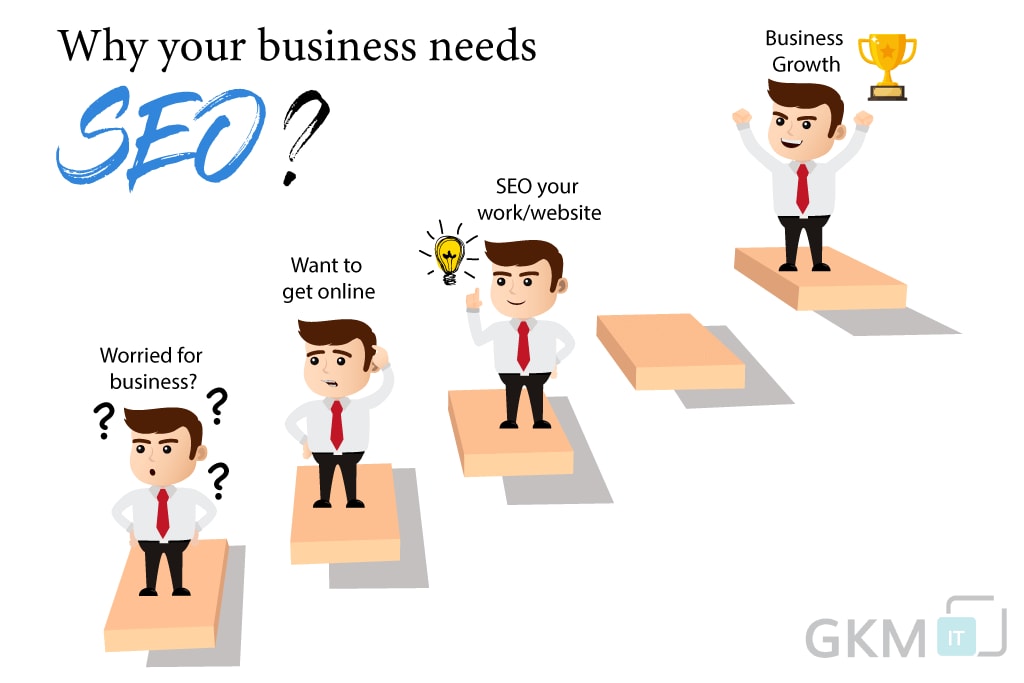
In today's digital landscape, having a robust online presence is crucial for small businesses. Search Engine Optimization (SEO) is a key component of this presence, helping businesses increase their visibility on search engines like Google. Here are some actionable SEO tips tailored specifically for small businesses:
1. Understand Your Audience and Keywords
Before diving into SEO, it's essential to understand who your target audience is and what they are searching for. Conduct thorough keyword research using tools like Google Keyword Planner, Ahrefs, or SEMrush. Focus on long-tail keywords that are more specific and less competitive. For example, instead of targeting "bakery," you might target "gluten-free bakery in San Francisco."
2. Optimize Your Website Structure
A well-structured website not only improves user experience but also helps search engines crawl and index your site more effectively. Here are some tips:
Use clear and descriptive URLs: Ensure your URLs are clean and include relevant keywords. For example, www.yourwebsite.com/gluten-free-bakery-san-francisco.
Create a sitemap: This helps search engines understand the structure of your site and find all your pages.
Ensure mobile-friendliness: With the majority of searches now conducted on mobile devices, having a mobile-friendly site is crucial. Use Google's Mobile-Friendly Test tool to check your site's responsiveness.
3. Optimize On-Page Elements
On-page SEO involves optimizing individual pages on your website to rank higher and earn more relevant traffic. Focus on the following elements:
Title tags: Include your primary keyword in the title tag and keep it under 60 characters.
Meta descriptions: Write compelling meta descriptions with keywords that encourage users to click on your link.
Headings (H1, H2, H3, etc.): Use headings to structure your content and include keywords where appropriate.
Content: Create high-quality, valuable content that addresses the needs and interests of your audience. Aim for a mix of blog posts, how-to guides, videos, and infographics.
4. Build Quality Backlinks
Backlinks from reputable websites signal to search engines that your site is trustworthy and authoritative. Here are some strategies to build backlinks:
Guest blogging: Write articles for other websites in your industry and include a link back to your site.
Local directories and listings: Ensure your business is listed in local directories such as Google My Business, Yelp, and TripAdvisor.
Collaborate with influencers: Partner with influencers in your industry to create content and gain backlinks.
5. Leverage Local SEO
For small businesses, local SEO is crucial. Here are some tips to enhance your local presence:
Optimize Google My Business: Claim and verify your Google My Business listing. Ensure your business name, address, and phone number (NAP) are accurate and consistent across all online platforms.
Local keywords: Incorporate local keywords in your content, meta tags, and descriptions. For example, "best gluten-free bakery in San Francisco."
Customer reviews: Encourage satisfied customers to leave positive reviews on your Google My Business page and other review sites.
6. Utilize Social Media
While social media signals are not a direct ranking factor, they can indirectly impact your SEO. A strong social media presence can drive traffic to your site and increase brand awareness. Here are some tips:
Share your content: Promote your blog posts, videos, and other content on social media platforms to reach a wider audience.
Engage with your audience: Respond to comments, messages, and reviews to build a loyal community.
Collaborate with influencers: Partner with social media influencers to expand your reach and gain more visibility.
7. Monitor and Analyze Your Performance
Regularly monitoring and analyzing your SEO performance is essential to understand what’s working and what needs improvement. Use tools like Google Analytics, Google Search Console, and other SEO software to track your rankings, traffic, and user behavior. Pay attention to key metrics such as:
Organic traffic: The number of visitors coming to your site from search engines.
Bounce rate: The percentage of visitors who leave your site after viewing only one page.
Conversion rate: The percentage of visitors who take a desired action, such as making a purchase or filling out a contact form.
Conclusion
Implementing these SEO tips can significantly improve your small business's online visibility and attract more potential customers. Remember, SEO is an ongoing process that requires patience and consistency. Stay updated with the latest SEO trends and continuously optimize your strategy to achieve long-term success.
About the Creator
Maria sultana
Hello this is Maria SEO Executive at Next Bell Ltd.
Visit my company page : https://www.nextbell.com/
Keep reading
More stories from Maria sultana and writers in Education and other communities.
Social Media Marketing Decoded: Benefits and Challenges for Businesses"
In the digital age, social media marketing has emerged as a pivotal tool for businesses aiming to expand their reach, engage with customers, and boost their brand presence. While it offers numerous benefits, it also comes with certain challenges. Here’s a comprehensive look at the advantages and disadvantages of social media marketing.
By Maria sultana2 years ago in Education
How Brick and Mortar Locations Stay Relevant in an Age of Online Consumer Behavior
Online shopping has become a normal part of daily life. Many people now use phones or computers to browse products, compare prices, and place orders within minutes. This shift in online consumer behavior has changed the retail industry in major ways. Digital stores offer convenience and large product selections, which attract millions of shoppers every day.
By Michael Kazma20 minutes ago in Education



Comments (1)
Thanks for the information