
Blinken in China: A Diplomatic Endeavor to Reduce Tensions with US Rival
Why It Matters
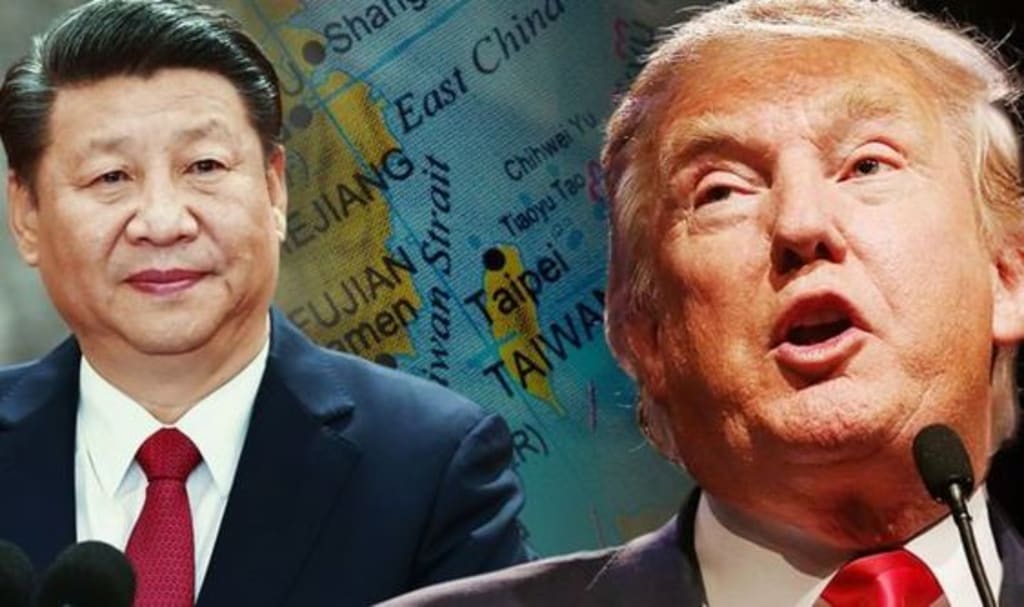
In an era defined by geopolitical rivalries, the United States and China find themselves at the center of a complex relationship. With tensions escalating in recent years, the need for effective diplomacy has become paramount. Against this backdrop, the visit of U.S. Secretary of State Antony Blinken to China holds immense significance. This article delves into Blinken's visit to China, exploring the potential for reducing tensions between the two global powers. By examining the key issues at stake, the challenges faced, and the implications for both countries and the world, we shed light on why this diplomatic endeavor matters.
I. Background: The US-China Rivalry
To comprehend the significance of Blinken's visit, it is essential to understand the context of the US-China rivalry. The relationship between the two nations is characterized by a blend of cooperation, competition, and rivalry. It encompasses economic, technological, military, and ideological dimensions, shaping the dynamics of the global order. The rivalry has intensified in recent years due to disagreements over trade, human rights, cybersecurity, territorial claims, and more.
II. Blink en's Diplomatic Mission
Antony Blinken's visit to China serves as a critical diplomatic mission aimed at reducing tensions and maintaining open lines of communication. It seeks to address core issues impacting the bilateral relationship while exploring avenues for cooperation in areas of shared interest. The primary objectives of blicken's mission include:
1. Managing Strategic Competition: Blinken's discussions with Chinese officials will likely focus on managing and mitigating strategic competition, ensuring that it does not escalate into conflict. Both nations must strike a delicate balance between safeguarding their interests and avoiding miscalculations that could lead to an unintended confrontation.
2. Human Rights Concerns: Blinken's visit provides an opportunity to engage in candid discussions regarding human rights violations in China, including issues such as Hong Kong, Xinjiang, and Tibet. Addressing these concerns demonstrates the United States' commitment to upholding human rights globally, while China may respond by providing its perspective on the matter.
3. Climate Change Collaboration: Climate change stands as an area where the United States and China can potentially find common ground. Blinken's visit allows for discussions on climate-related challenges, clean energy solutions, and cooperative efforts to combat global warming. By working together, the two nations can significantly influence global climate action.
4. Regional Security and Stability: The Indo-Pacific region remains a critical theater for both the United States and China. Blinken's visit will likely address regional security issues, including maritime disputes, the denuclearization of North Korea, and the role of regional organizations such as ASEAN. Enhancing stability in the region benefits not only the two countries but also contributes to global peace.
III. Challenges and Complexities
Blinken's mission to China is not without its challenges and complexities. Both countries have divergent interests and narratives, making it difficult to find common ground. Some of the key challenges include:
1. Trust Deficit: Years of escalating tensions and a lack of mutual trust pose significant obstacles to effective dialogue. Suspicions on both sides have deepened due to issues like trade disputes, accusations of espionage, and differing approaches to global governance. Rebuilding trust will require sincerity, patience, and incremental steps.
2. Geopolitical Competition: The United States and China find themselves locked in a broader geopolitical competition, seeking to expand their spheres of influence. This rivalry extends beyond their bilateral relationship and affects other regions globally. Managing this competition while cooperating on shared interests necessitates astute diplomacy.
3. Human Rights Dilemma:
The United States' concern for human rights and China's resistance to external interference create a challenging dynamic. Balancing the need to address human rights violations with the imperative of maintaining dialogue and cooperation is a delicate task for Blinken. Both countries must find a way to discuss these issues constructively without derailing broader engagement.
4. Economic Interdependence: The economic relationship between the United States and China is complex and intertwined. While trade tensions persist, both countries recognize the mutual benefits of economic interdependence. Balancing economic interests with strategic competition poses a challenge for Blinken's visit.
IV. Implications and Why It Matters
The success or failure of Blinken's visit holds significant implications for both the United States and China, as well as the broader international community. Here's why it matters:
1. Global Stability: The stability of the global order hinges upon the ability of the United States and China to manage their differences and find areas of cooperation. As two of the world's largest economies and leading powers, a cooperative relationship between the two is vital for addressing global challenges such as climate change, nuclear proliferation, and pandemics.
2. Economic Prosperity: The economic health of the world relies on a stable U.S.-China relationship. Trade between the two countries, investment flows, and technological collaboration have a far-reaching impact on global markets. A breakthrough in reducing tensions can create a more predictable economic environment and foster increased global prosperity.
3. Regional Balancing: Blinken's visit to China provides an opportunity to address regional security concerns and foster stability in the Indo-Pacific. An improved relationship between the United States and China can contribute to a balanced regional order, reducing the risk of conflicts and enhancing cooperative mechanisms.
4. Human Rights and Values: The engagement between the United States and China on human rights issues reflects the importance of upholding universal values. By raising concerns and engaging in dialogue, the United States aims to influence China positively, promoting greater respect for human rights and international norms. This aspect of Blinken's visit reinforces the United States' commitment to defending human rights globally.
5. Technological Competition: The United States and China are at the forefront of technological advancements. By managing competition and engaging in cooperation, both countries can ensure that technological innovation benefits humanity. Blinken's visit could serve as an opportunity to find ways to collaborate on emerging technologies, safeguarding global interests while addressing concerns of data privacy and security.
Conclusion
Antony Blinken's visit to China carries immense significance in a world grappling with the complexities of U.S.-China relations. By engaging in diplomatic dialogue, managing strategic competition, and addressing key issues such as human rights, climate change, and regional stability, both nations have a chance to build a more constructive relationship. The outcome of Blinken's visit will shape the trajectory of the global order, impacting economic prosperity, peace, and the promotion of shared values. Both the United States and China must recognize the need for cooperation, despite their differences, to address the pressing challenges facing the world today.
About the Creator
Keep reading
More stories from Pearl Afeletey and writers in Education and other communities.
Climate Change Threatens to Ruin Beaches: Rotting Seaweed, Dead Fish, and Vanishing Sand
Title: Climate Change Threatens to Ruin Beaches: Rotting Seaweed, Dead Fish, and Vanishing Sand Introduction Beaches have always been a cherished natural environment, attracting tourists and locals alike. The rhythmic crash of waves, warm sand beneath our feet, and vibrant marine life have made beaches a symbol of leisure and relaxation. However, the impact of climate change on our planet is starting to manifest itself in distressing ways, and our beloved beaches are not immune. In recent years, we have witnessed an increase in the occurrence of rotting seaweed, dead fish, and the disappearance of sand along many coastal areas. These signs are alarming, highlighting the urgent need to address the root causes of climate change and protect these invaluable ecosystems. This article delves into the various factors contributing to these beach threats and offers potential solutions to preserve the beauty and ecological balance of our coastlines.
By Pearl Afeletey3 years ago in Education
How to Balance Internal & External Port Loads on a Fibre Channel Network Switch
Modern data centers depend on steady storage performance every hour of the day. As your workloads grow your storage traffic also grows and that traffic must move smoothly across your switching layer.
By Harry Cmaryabout 14 hours ago in Education




Comments
There are no comments for this story
Be the first to respond and start the conversation.