
Climate Change Threatens to Ruin Beaches: Rotting Seaweed, Dead Fish, and Vanishing Sand
Climate Change Threatens to Ruin Beaches
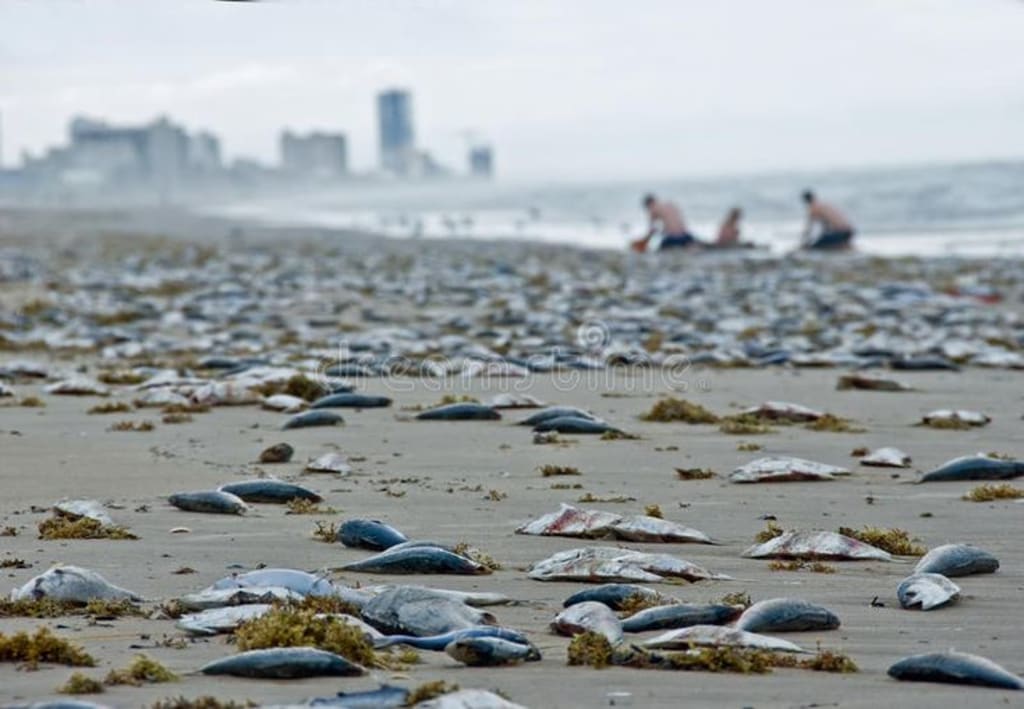
Title: Climate Change Threatens to Ruin Beaches: Rotting Seaweed, Dead Fish, and Vanishing Sand
Introduction
Beaches have always been a cherished natural environment, attracting tourists and locals alike. The rhythmic crash of waves, warm sand beneath our feet, and vibrant marine life have made beaches a symbol of leisure and relaxation. However, the impact of climate change on our planet is starting to manifest itself in distressing ways, and our beloved beaches are not immune. In recent years, we have witnessed an increase in the occurrence of rotting seaweed, dead fish, and the disappearance of sand along many coastal areas. These signs are alarming, highlighting the urgent need to address the root causes of climate change and protect these invaluable ecosystems. This article delves into the various factors contributing to these beach threats and offers potential solutions to preserve the beauty and ecological balance of our coastlines.
I. Rising Temperatures and Algal Blooms
Climate change-induced rising temperatures are wreaking havoc on marine ecosystems, leading to the proliferation of algal blooms. These blooms, fueled by excess nutrients and warmer waters, result in the accumulation of rotting seaweed along beaches. The stench emanating from decomposing seaweed not only ruins the beach experience but also poses health risks to beachgoers. Additionally, as the seaweed decomposes, it depletes oxygen levels in the water, leading to dead zones where marine life struggles to survive. The unsightly accumulation of rotting seaweed and the disappearance of marine fauna disrupt the delicate balance of coastal ecosystems.
II. Ocean Acidification and Declining Fish Populations (500 words):
Ocean acidification, caused by the absorption of excess carbon dioxide from the atmosphere, is another consequence of climate change. Acidic waters have a profound impact on marine life, particularly fish populations. As the pH levels decrease, fish experience difficulties in adapting, resulting in decreased reproduction rates and reduced survival rates of larvae. The consequence of these disruptions is the decline of fish populations, leading to the occurrence of dead fish washing up on beaches. The sight of dead fish scattered along the shore is not only disheartening but also indicates a significant disturbance in the marine food chain and the overall health of our oceans.
III. Erosion and Vanishing Sand
Rising sea levels and increased storm intensity, both attributed to climate change, are eroding our coastlines at an alarming rate. As waves intensify and inundate coastal areas, they carry away sand particles, leading to the loss of beaches. The disappearing sand not only impacts the aesthetic appeal of the shoreline but also threatens coastal communities and their infrastructure. The lack of sand as a natural barrier exposes vulnerable coastal areas to increased flooding and erosion, endangering not only beaches but also nearby ecosystems and human settlements.
IV. Solutions and Mitigation Strategies
1. Reducing greenhouse gas emissions: The most effective long-term solution to combat the threats posed by climate change is to reduce greenhouse gas emissions. Governments, industries, and individuals must prioritize the adoption of renewable energy sources, promote energy efficiency, and implement sustainable practices to mitigate the effects of climate change on coastal environments.
2. Conservation and restoration of coastal ecosystems: Protecting and restoring coastal ecosystems, such as mangroves, salt marshes, and seagrass beds, can help mitigate the impact of climate change on beaches. These natural habitats provide crucial buffer zones against erosion, absorb carbon dioxide, and nurture diverse marine life, contributing to the overall health and resilience of coastal ecosystems.
3. Beach nourishment and sand replenishment: In areas experiencing significant sand loss, beach nourishment projects can help restore and rebuild eroded coastlines. These projects involve depositing sand to replenish beaches, providing essential protection against erosion
and preserving recreational spaces for future generations.
4. Community engagement and education: Raising awareness among local communities and visitors about the importance of preserving beaches and mitigating climate change is vital. Encouraging sustainable tourism practices, such as responsible waste management and reducing carbon footprints, can help minimize the ecological impact on coastal areas.
Conclusion
The rotting seaweed, dead fish, and vanishing sand witnessed on many beaches serve as distress signals, warning us about the imminent threats posed by climate change. To protect these invaluable coastal ecosystems, urgent action is required at the individual, community, and governmental levels. Reducing greenhouse gas emissions, conserving coastal habitats, implementing beach nourishment projects, and fostering community engagement are all crucial steps toward preserving our beaches for future generations. By addressing the root causes of climate change and prioritizing the protection of coastal environments, we can ensure that our beaches remain a haven of natural beauty, thriving ecosystems, and cherished memories for years to come.
About the Creator
Keep reading
More stories from Pearl Afeletey and writers in Education and other communities.
Influencer marketing and social media strategies
Introduction In today's digital age, social media has revolutionized the way businesses connect with their target audiences. One of the most impactful strategies emerging from this digital landscape is influencer marketing. By leveraging the power of online influence, businesses can effectively reach and engage their target consumers. In this article, we will explore the concept of influencer marketing and delve into effective social media strategies that can maximize its potential.
By Pearl Afeletey3 years ago in Education
Rewiring Wellness: How Neuroscience Is Redefining the Mind-Body Connection in Therapy
In recent years, neuroscience has reshaped the understanding of how emotional and physical processes interact, offering therapists new insight into healing. The mind-body connection, once viewed as more philosophical than scientific, now has clear biological explanations. Studies show that thoughts, emotions, and physical sensations are deeply intertwined, influencing everything from stress responses to overall wellbeing. This knowledge is transforming modern therapeutic practices by providing clinicians with evidence-based tools that support integrated healing.
By Debra Bailey PHDabout 16 hours ago in Education
Was Alexander the great really that great?
Order, order! Who do we have on the stand today? Alexander... the Great, eh? Well, what’s so great about him? Your honor, the better question is, what's not great about him? He was the King of Macedon and considered a living demigod by Egyptians and Greeks alike. He conquered Persia when it was one of Earth's largest empires. And he was a thoughtful student of Aristotle, creative enough to untie the impossibly tight Gordian knot by cutting it in half. The Gordian knot is a myth— just like the countless other stories invented to enhance Alexander’s legend!
By Munesh Yadavabout 8 hours ago in Education



Comments
There are no comments for this story
Be the first to respond and start the conversation.