
Biometric Authentication in Parking Payment Machines: Enhancing Security and Streamlining Payments
Parking Payment Machines
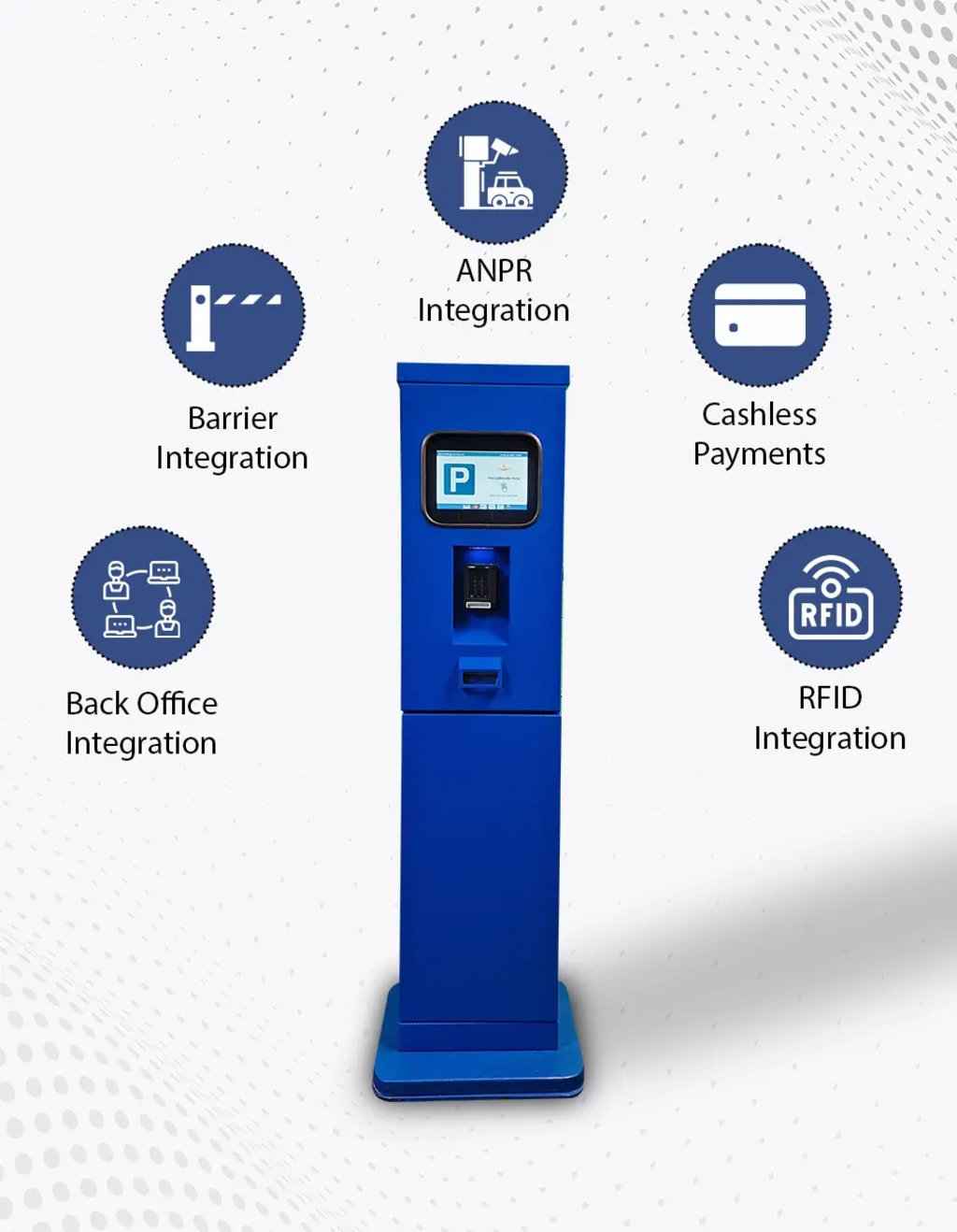
In the ever-evolving world of parking technology, biometric authentication has emerged as a groundbreaking solution to enhance security and improve the payment experience. By leveraging technologies like fingerprint and facial recognition, parking payment machines can provide a seamless, secure, and user-friendly way to manage parking transactions. In this blog, we’ll explore how biometric authentication is transforming parking payment systems and the benefits it offers to both users and operators.
What Is Biometric Authentication?
Biometric authentication uses unique physical or behavioral characteristics, such as fingerprints or facial features, to verify an individual’s identity. Unlike traditional authentication methods like PINs, passwords, or cards, biometric data is inherently personal and difficult to replicate, making it a highly secure option for sensitive transactions.
When integrated into parking payment machines, biometrics can simplify the payment process by eliminating the need for physical interaction, speeding up transactions, and reducing the risk of fraud.
Key Biometric Technologies for Parking Payment Machines
1. Fingerprint Recognition
Fingerprint authentication is one of the most widely used biometric technologies. Users simply place their finger on a scanner, and the system verifies their identity by matching the scanned fingerprint with stored data.
Advantages: Quick, reliable, and easy to implement.
Use Cases: Ideal for frequent parkers with pre-registered accounts or memberships.
2. Facial Recognition
Facial recognition uses advanced AI to analyze and verify a person’s unique facial features. With just a glance at the machine’s camera, users can authenticate their identity and complete their payment.
Advantages: Completely touch-free and suitable for public environments.
Use Cases: Perfect for high-traffic areas, such as airports or shopping centers, where speed and hygiene are priorities.
How Biometric Authentication Enhances Security
1. Eliminates Fraud and Identity Theft
Unlike cards or PINs, biometric data cannot be easily stolen or duplicated. By tying payments to unique physical characteristics, biometric systems ensure that only authorized users can access parking accounts or make payments.
2. Prevents Unauthorized Access
Biometric authentication adds an extra layer of security, making it nearly impossible for unauthorized individuals to misuse the system. This is particularly beneficial in restricted parking zones or areas requiring heightened security, such as government facilities or corporate headquarters.
3. Secure Payment Processing
By linking biometric data to secure payment platforms, parking machines can process transactions without exposing sensitive information. This reduces the risk of data breaches and builds user trust.
Streamlining Payments with Biometrics
1. Faster Transactions
Biometric systems significantly reduce the time needed to complete a payment. Users no longer need to search for cash, cards, or their mobile phones—authentication happens instantly with a fingerprint or facial scan.
2. Enhanced Convenience for Regular Users
For frequent parkers, biometric authentication can simplify the entire parking experience. Once registered, users can park, authenticate, and pay in seconds without needing to interact with traditional payment interfaces.
3. Integration with Digital Wallets
Biometric systems can seamlessly integrate with digital payment platforms like Apple Pay or Google Wallet, allowing users to link their biometric data to their preferred payment method for a fully automated experience.
Challenges and Solutions
1. Privacy Concerns
One of the primary concerns with biometric authentication is the storage and protection of sensitive data. Users may worry about how their fingerprints or facial data are handled.
Solution: Biometric systems should use encrypted databases and comply with data protection regulations like GDPR to ensure user privacy. Additionally, local storage on devices rather than cloud-based storage can enhance security.
2. Equipment Durability
Outdoor parking machines face exposure to harsh weather conditions, which could affect the performance of biometric sensors.
Solution: Use rugged, weather-resistant hardware designed to withstand varying environmental conditions while maintaining high performance.
3. Accessibility for All Users
Some users may have difficulty using fingerprint or facial recognition due to disabilities or injuries.
Solution: Provide alternative payment options alongside biometric authentication to ensure inclusivity, such as PIN entry or contactless payments.
Real-World Applications of Biometric Authentication in Parking
1. Corporate Parking Facilities
In office complexes, biometric authentication can restrict access to employee-only parking areas while ensuring seamless payment for visitors.
2. Residential Parking
Biometric systems can provide secure, personalized access for residents, allowing property managers to eliminate physical permits or access cards.
3. Public Parking Lots
Large parking facilities can use biometrics to reduce payment queues and prevent misuse of parking spaces, such as unauthorized vehicles occupying reserved spots.
4. EV Charging Stations
Biometric authentication can simplify the payment process at EV charging stations, integrating parking and charging payments into one seamless system.
The Future of Biometric Authentication in Parking
As biometric technology becomes more sophisticated, its integration into parking systems will continue to expand. Potential future advancements include:
Multimodal Biometrics: Combining multiple biometric methods, such as fingerprint and facial recognition, for enhanced accuracy and flexibility.
Personalized Parking Experiences: Biometric systems could recognize users upon arrival, automatically selecting their preferred parking settings and charging their accounts.
Contactless Automation: Fully automated parking systems could use biometrics for entry, exit, and payment, creating a completely hands-free experience.
Conclusion
Biometric authentication is redefining the way we interact with parking payment machines. By combining enhanced security with unmatched convenience, fingerprint and facial recognition systems have the potential to make parking smarter, faster, and more secure.
For car park operators, adopting biometric technology offers a competitive edge, improving user satisfaction while safeguarding sensitive data. For users, it means shorter queues, fewer hassles, and a more personalized parking experience.
As this technology continues to evolve, biometric authentication is set to become a cornerstone of modern parking solutions, paving the way for a future where security and convenience go hand in hand.
About the Creator
Keep reading
More stories from William Parker and writers in Education and other communities.
Understanding ANPR Technology
Technology is always driving revolutionary change in the realm of Car Park CCTV. The Automatic Number Plate Recognition (ANPR) system is one such technology that has found widespread acceptance and produced substantial advances in the realm of vehicle security. Both public and commercial car parks are incorporating this cutting-edge technology to improve security, expedite operations, and provide a safer environment for users.
By William Parker2 years ago in Education
Golf Handicap Reduction Without a Swing Overhaul: Smarter Ways to Play Better Golf
Lowering your handicap does not always require technical changes or hours on the range; it requires rebuilding your swing. Many golfers overlook the fact that scoring improvement often comes from strategic thinking, mental discipline, and better preparation. By focusing on how you play rather than how you swing, you can unlock consistent progress and enjoy the game more. This article explores practical, on-course methods that help you shoot lower scores while keeping your swing exactly as it is.
By Ian Schenkel Haliburton5 days ago in Education
The Editorial Stack: Building Content Teams for the Multi-Platform Era
In an age where content travels across screens, feeds, formats, and audiences in real time, the old newsroom model no longer fits the demands of digital publishing. Today's media landscape requires more than great writers and sharp editors—it demands a multi-disciplinary, agile, and strategically aligned editorial stack. From video producers to data analysts, newsletter editors to TikTok creators, modern content teams must be designed with versatility and collaboration at their core.
By James Kaminsky6 days ago in Education
Thoughts on Vocal and the way the world is
"Death cannot stop true love, only delay it." – Wesley in The Princess Bride. I decided to come back to Vocal on a very cold and dark night at the end of December. I had been, and still am, convalescing from a horrible staph infection that had gone misdiagnosed for months. This, paired with the increasing challenges of being healthy, making the best choices for my co-parented child, being a wife, and being a director at a new job, was a lot to manage.
By Jazzy 6 days ago in Confessions


Comments
There are no comments for this story
Be the first to respond and start the conversation.