
BIM for Renovation Projects: Challenges and Solutions
Overcoming the Complexities of BIM in Renovation Projects: Practical Challenges and Proven Solutions

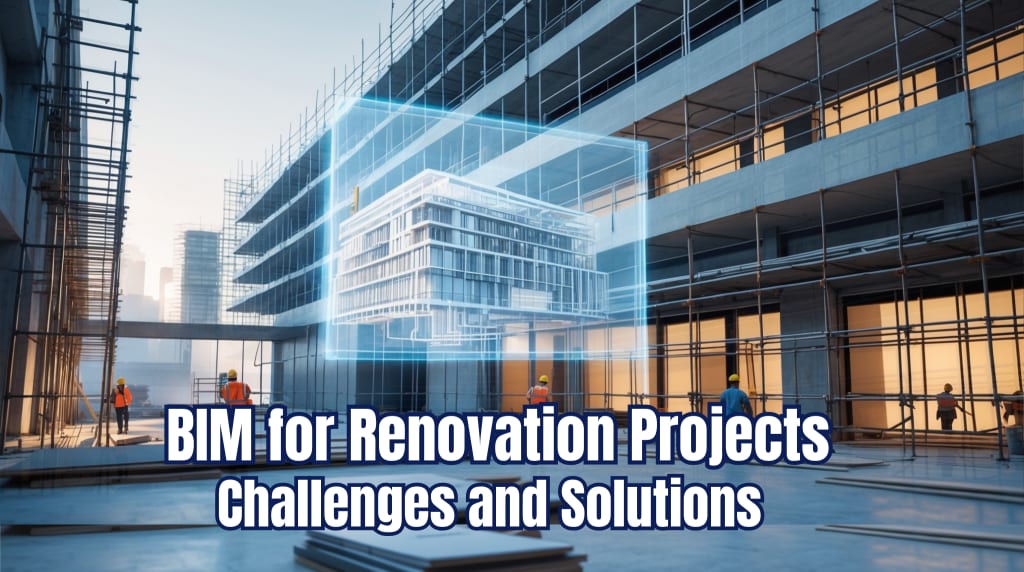
Renovating existing buildings presents unique challenges that traditional project management simply can't handle. BIM for renovation projects has emerged as the game-changing solution that architects, contractors, and project managers need to tackle these complex undertakings with confidence.
This comprehensive guide targets construction professionals, BIM specialists, and renovation project managers who want to understand how Building Information Modeling renovation can transform their workflows. Whether you're dealing with historic restorations, office retrofits, or residential remodels, you'll discover practical strategies to overcome common obstacles and maximize project success.
We'll explore the essential BIM applications in renovation workflows that streamline coordination and reduce costly errors. You'll also learn proven techniques for data capture and as-built model creation that provide the accurate foundation every renovation project needs. Finally, we'll address the major BIM implementation challenges you're likely to face and share actionable solutions that leading firms use to achieve consistent results.
Ready to see how BIM can revolutionize your next renovation project? Let's dive into the strategies that turn complex retrofits into smooth, profitable successes.
Understanding BIM in Renovation Context
1. Enhanced Accuracy Through Digital Mockups and Reality Capture
- BIM renovation projects leverage digital mockups to create accurate representations of existing environments through sophisticated retrofit modeling techniques.
- This approach provides precise documentation of current building conditions, significantly reducing errors and minimizing costly rework during renovation phases.
- Reality capture technology integrated with building information modeling renovation ensures that project teams work with reliable, up-to-date information about the structure they're modifying.
2. Improved Project Coordination and Communication
- BIM Coordination Services effectively integrate data from architects, engineers, and contractors, streamlining renovation project management BIM workflows.
- This comprehensive approach reduces miscommunication between stakeholders and simplifies critical decision-making processes.
- By conveying renovation objectives clearly through shared digital models, teams achieve better alignment and understanding throughout the project lifecycle, ultimately enhancing collaboration and reducing potential conflicts between different disciplines working on the same renovation project.
3. Cost and Time Savings Through Early Conflict Detection
- Clash Detection Services within BIM renovation workflows identify potential conflicts during the early design phase, preventing expensive on-site modifications.
- These tools enable 4D simulations for project implementation and support prefabrication strategies, delivering substantial cost and time savings.
- Early detection of spatial conflicts and system interferences allows teams to resolve issues virtually before construction begins, streamlining the renovation process and reducing project delays.
4. Sustainable Design Integration and Energy Performance Analysis
- BIM for building renovation supports sustainable practices by providing reliable estimations of construction waste volume, enabling better waste management planning.
- The technology simulates energy performance to analyze how design decisions impact environmental outcomes, supporting informed decision-making for eco-friendly renovations.
- This capability allows project teams to evaluate various design alternatives and their environmental implications, ensuring that renovation BIM implementation contributes to sustainable building practices and improved energy efficiency outcomes.
Essential BIM Applications in Renovation Workflows
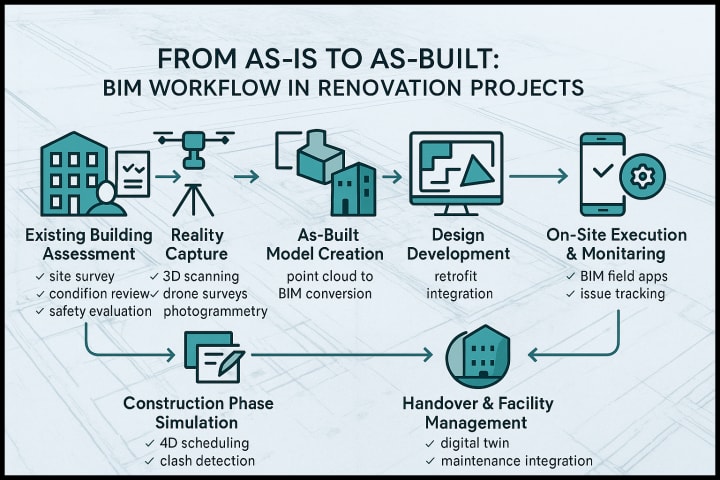
- Retrofit Modeling Using Laser Scanning and Point Cloud Data
BIM for retrofit workflows uses detailed models to document existing conditions and guide the integration of new systems within buildings. This approach proves particularly valuable for improving HVAC, plumbing, and electrical systems in older structures, where accurate as-built documentation is critical for successful renovation project management BIM implementation.
- Architectural Design Integration with Existing Structures
Architectural BIM Services enable comprehensive redesigning of spaces while seamlessly integrating with existing structural elements. These renovation BIM workflows support various applications including interior remodeling, facade restoration, and layout optimization, ensuring that new design elements complement the original building architecture while meeting contemporary functional requirements.
- MEP System Coordination and Clash Detection
MEP BIM Services coordinate Mechanical, Electrical, and Plumbing systems to achieve efficient and clash-free design during building information modeling renovation projects. This coordination prevents costly conflicts between different building systems and ensures optimal placement of new infrastructure within existing structural constraints.
- Heritage Restoration and Historical Preservation
BIM restoration combines modern construction methodologies with historical conservation principles for heritage structures. Historic library restorations exemplify this approach, utilizing 3D models to capture intricate architectural details for precise restoration while ensuring contemporary standards are met without compromising the original design's integrity and historical significance.
Major Implementation Challenges and Barriers
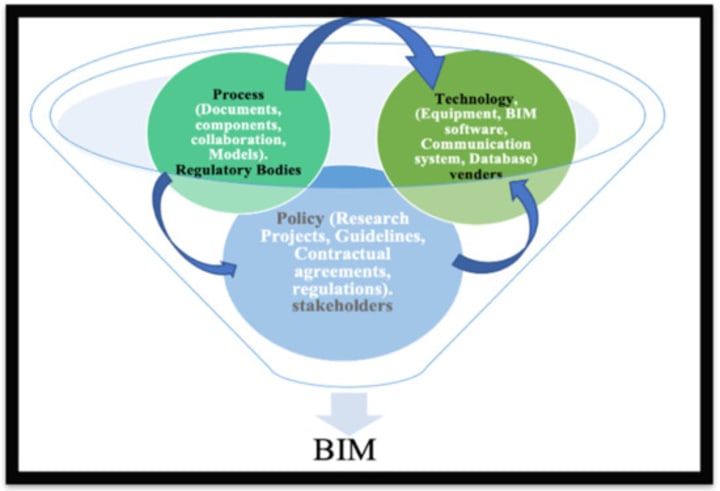
- Limited Client Awareness and Skills Shortage:
BIM renovation projects face significant implementation barriers due to limited client awareness about building information modeling capabilities and benefits.
The shortage of skilled labor compounds these challenges, as many professionals lack adequate skills and competencies in BIM workflows and technologies. This skills gap particularly impacts renovation project management BIM adoption.
- High Costs of BIM Tools and Training
The substantial financial investment required for BIM tools and comprehensive training presents major barriers for organizations pursuing BIM renovation implementation. These high costs often deter smaller firms from adopting BIM for building renovation projects, limiting widespread adoption across the industry.
- Technical Limitations and Software Compatibility Issues
Technical limitations of BIM tools create significant challenges in renovation BIM workflows. Projects frequently utilize various discipline-specific models developed in different software platforms, leading to communication barriers caused by software heterogeneity and insufficient user proficiency in managing complex renovation data capture processes.
- Fragmented Contractual Relationships and Lack of Standard
Fragmented contractual relationships between project stakeholders present substantial barriers to successful BIM renovation projects.
The absence of clear BIM standards and proper BIM execution plans further complicates implementation, creating coordination challenges that can undermine the effectiveness of building information modeling renovation initiatives.
Proven Solutions for Successful BIM Implementation
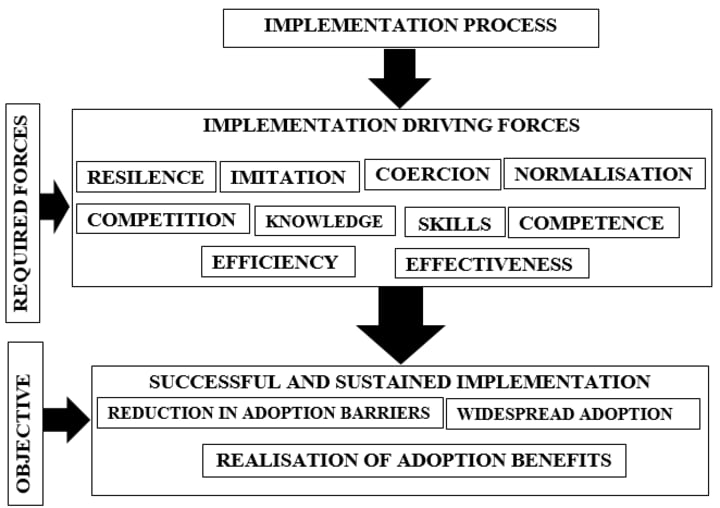
Successful BIM renovation projects begin with establishing clear BIM requirements and developing a well-defined BIM execution plan. This foundational step ensures all stakeholders understand project expectations, deliverables, and workflows specific to renovation challenges. A comprehensive execution plan addresses the unique complexities of existing building conditions and renovation-specific modeling requirements.
2. Suitable Procurement Methods and Contractual Frameworks
Implementing appropriate procurement methods and contractual frameworks is critical for successful BIM renovation implementation. These frameworks must address the inherent challenges of fragmented contractual relationships that often plague renovation projects. By establishing clear contractual obligations and collaborative procurement approaches, project teams can overcome traditional barriers and ensure seamless BIM integration throughout the renovation workflow.
3. Staged Implementation and Team Training Strategies
To overcome high implementation costs and resistance to change, organizations should adopt a staged approach by starting with relatively small renovation projects before scaling up BIM work. This strategy allows teams to gain experience and demonstrate the long-term value of BIM through measurable cost savings, enhanced accuracy, and improved client satisfaction.
4. Effective Issue Management and Communication Protocols
Effective issue management in BIM renovation projects relies on conducting regular RFIs and coordination meetings, which serve as crucial communication protocols. These structured communication methods ensure that renovation-specific challenges are addressed promptly and that all team members remain aligned throughout the project lifecycle.
Future Trends and Technological Advancements
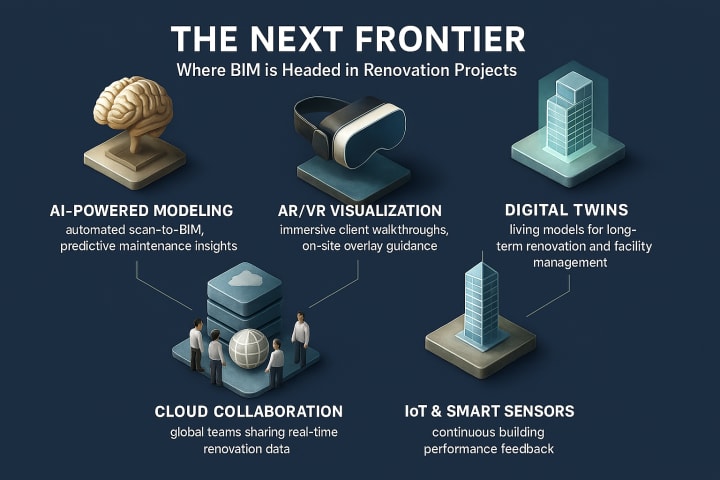
- AI-Driven Automation in Retrofit Modeling
Artificial intelligence will revolutionize BIM renovation projects by enhancing retrofit modeling capabilities. AI-driven automation will streamline data capture and analysis processes, making renovation workflows significantly faster and more accurate than traditional manual methods.
- AR and VR Integration for Enhanced Visualization
Augmented Reality and Virtual Reality tools represent the next frontier in renovation project management BIM. These immersive technologies will enable stakeholders to visualize renovation designs with unprecedented clarity, dramatically improving decision-making processes throughout BIM renovation workflows.
- Digital Twin Development for Ongoing Facility Management
BIM models will evolve beyond static representations into dynamic digital twins for renovated structures. This advancement will enable real-time monitoring and maintenance capabilities, transforming ongoing facility management practices.
- Cloud-Based Collaboration Platforms and Real-Time Monitoring
Cloud-based platforms will enhance global collaboration among renovation teams, facilitating seamless execution of complex BIM renovation implementation projects across distributed workforces. BIM technology has emerged as a transformative solution for renovation projects, despite facing significant implementation challenges. The construction industry's shift toward building renovations and retrofits, driven by sustainability targets and resource limitations, has highlighted the critical need for advanced project management tools.
While BIM offers substantial benefits including improved visualization, clash detection, enhanced coordination, and more accurate cost estimation, successful implementation requires addressing key barriers such as skills shortages, technical limitations, and the complexity of capturing existing conditions.
Conclusion:
The future of BIM in renovation projects looks promising with advancing technologies like AI-driven modeling, AR/VR integration, and digital twins. Organizations ready to embrace BIM renovation workflows should focus on developing clear implementation strategies, investing in training, and establishing proper BIM execution plans. By partnering with experienced BIM service providers and starting with smaller projects to build competency, construction teams can unlock the full potential of BIM technology to deliver more efficient, accurate, and sustainable renovation outcomes.
Read More:
https://shopping-feedback.today/journal/the-benefits-of-outsourcing-bim-services-to-maryland-contractors%3C/p%3E%3Cstyle data-emotion-css="14azzlx-P">.css-14azzlx-P{font-family:Droid Serif,Georgia,Times New Roman,Times,serif;font-size:1.1875rem;-webkit-letter-spacing:0.01em;-moz-letter-spacing:0.01em;-ms-letter-spacing:0.01em;letter-spacing:0.01em;line-height:1.6;color:#1A1A1A;margin-top:32px;}
https://shopping-feedback.today/education/8-challenges-of-using-bim-in-construction-project-management-and-how-to-overcome-them%3C/p%3E%3Cstyle data-emotion-css="14azzlx-P">.css-14azzlx-P{font-family:Droid Serif,Georgia,Times New Roman,Times,serif;font-size:1.1875rem;-webkit-letter-spacing:0.01em;-moz-letter-spacing:0.01em;-ms-letter-spacing:0.01em;letter-spacing:0.01em;line-height:1.6;color:#1A1A1A;margin-top:32px;}
https://shopping-feedback.today/education/top-bim-terms-explained-simply-for-architects-engineers-and-contractors%3C/p%3E%3C/div%3E%3C/div%3E%3C/div%3E%3Cstyle data-emotion-css="1x3zcuc-StoryContent">.css-1x3zcuc-StoryContent{pointer-events:none;}
About the Creator
Alishna Brown
I am a renowned author, speaker and educator on BIM technology in the Architecture, Engineering, and Construction (AEC) industry. With over a decade of experience in the field, I have become a thought leader and consultant.
Keep reading
More stories from Alishna Brown and writers in Education and other communities.
8 Challenges of Using BIM in Construction Project Management and How to Overcome Them
As the construction industry evolves in response to the demands of the modern world, Building Information Modeling (BIM) has emerged as a transformative tool that reshapes how projects are managed and maintained.
By Alishna Brown9 months ago in Education
Tech on the Move: How Mobile Response Technology Transforms Disaster Relief Operations
Disaster relief operations have always required speed, accuracy, and adaptability. Yet as emergencies grow more frequent and more complex, traditional relief methods often fall short. Communities face collapsing infrastructure, mass displacement, communication failures, and urgent medical needs. In this challenging environment, mobile response technology has emerged as a game-changer. From mobile command centers to portable medical units and satellite-based communication tools, these technologies bring critical support directly into disaster zones. Their mobility and advanced capabilities are reshaping how responders work, strengthening coordination, and accelerating recovery.
By Convoy of Hopeabout 24 hours ago in Education


Comments
There are no comments for this story
Be the first to respond and start the conversation.