
Big Data Life Cycle for Beginners
Learn the basics of the Big Data Life Cycle, explained clearly for beginners. Explore its phases and how they help drive smart decisions.

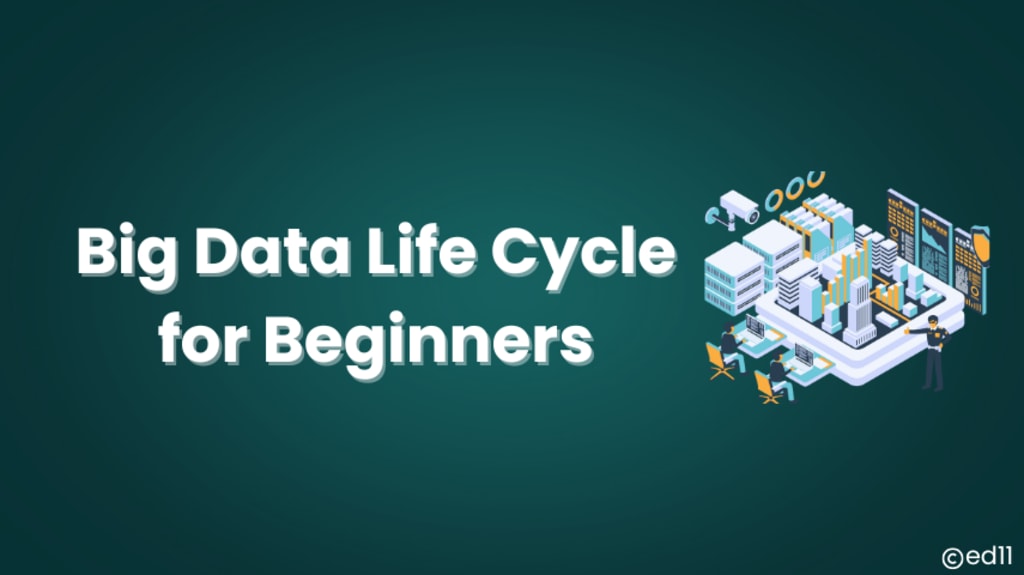
As a Senior Data Analyst, I’ve worked on countless projects managing and analyzing massive amounts of data. Mastering the Big Data Life Cycle is essential for success in any data-driven role. For beginners, the concept may seem overwhelming, but when broken down step by step, it becomes both manageable and exciting. In this blog, I’ll explain the Big Data Life Cycle in simple terms, highlighting its key phases and how each contributes to valuable insights and results. Whether you're new to Data Science or looking to refine your understanding, this guide will help you navigate the process with confidence.
What is the Big Data Life Cycle
The Big Data Life Cycle is a structured process that guides how data is collected, stored, processed, analyzed, and used to drive decisions. Following this cycle ensures that data is managed effectively and delivers value. For beginners, it’s helpful to think of it as a roadmap for handling data from start to finish.
Benefits of Big Data Life Cycle for Beginners
- Efficiency: The Big Data Life Cycle streamlines data management by organizing and automating various processes, significantly reducing the time and effort required to handle large datasets. From collection to analysis, it ensures data flows smoothly, eliminating bottlenecks and allowing businesses to concentrate on deriving insights. For tasks like data cleaning, visualization, and modeling, tools such as Python play an important role, making the entire process more efficient and effective.
- Accuracy: By following a structured approach, the Big Data Life Cycle enhances the reliability of insights. Data is cleaned, processed, and validated at every stage, minimizing errors and ensuring that the results are trustworthy. Accurate data leads to better decision-making and helps organizations maintain credibility.
- Scalability: As data volumes grow, the Big Data Life Cycle adapts to handle increasing demands seamlessly. It incorporates tools and techniques designed for scalability, ensuring that organizations can manage and analyze data efficiently, whether they’re dealing with terabytes or petabytes.
- Decision Support: The ultimate goal of the Big Data Life Cycle is to empower decision-makers with actionable insights. By transforming raw data into meaningful information, it drives data-informed strategies that improve performance, identify opportunities, and solve complex problems.
Stages of the Big Data Life Cycle
Data Generation
This is the starting point where raw data is collected from various sources such as websites, sensors, social media, and transactional systems. The data's sheer volume, diverse formats, and high speed of generation define its "big" nature. Proper collection ensures no valuable information is missed. At this stage, tools and systems are used to gather and store data efficiently. This foundation is crucial for all subsequent stages of the Big Data Life Cycle.
Example: E-commerce platforms generate data from user clicks, product searches, and purchases.
Data Collection
Once data is generated, it must be collected and organized for analysis. Tools like Apache Kafka and Flume are commonly used for streaming and handling real-time data, while cloud services like AWS or Azure simplify large-scale data gathering. These tools ensure data is captured efficiently and securely. Proper collection sets the foundation for accurate analysis, enabling businesses to derive meaningful insights. Without this step, valuable data could be lost or underutilized.
Key Tip: Ensure the data collected aligns with your business goals. As a Senior Data Analyst, I always focus on collecting relevant data.
Data Storage
Collected data needs a secure and scalable place to reside. Traditional databases struggle to manage the sheer size and complexity of big data. Distributed storage systems like Hadoop HDFS efficiently split data across multiple nodes for faster processing. Similarly, cloud platforms like AWS, Azure, and Google Cloud offer flexible, on-demand storage solutions. These systems ensure data is accessible, reliable, and ready for analysis at any scale.
Example: A company storing millions of customer interactions would use a scalable storage solution.
Data Analysis
This is where raw data transforms into valuable knowledge! Analysts apply methods like machine learning, statistical modeling, and advanced visualization to uncover hidden patterns and trends. Tools like Tableau or Power BI make it easier to present insights in a clear and impactful way. These insights help drive smarter decisions and solve real-world problems. At this stage, data truly becomes a powerful asset.
Real-Life Use: Analyzing customer purchase behavior to recommend personalized products.
Data Visualization and Decision-Making
Insights are communicated through visualizations, reports, or dashboards. This phase ensures stakeholders understand the data story and make informed decisions.
As a Senior Analyst: I emphasize creating clear and impactful visualizations to convey findings effectively.
Tools to Get Started with the Big Data Life Cycle
- Data Collection: Apache Kafka, Google Cloud Pub/Sub
- Data Storage: Hadoop HDFS, AWS S3, Google BigQuery
- Data Processing: Apache Spark, Python (pandas, NumPy)
- Data Analysis: R, Python (scikit-learn), SQL
- Data Visualization: Tableau, Power BI, Matplotlib
Challenges in the Big Data Life Cycle
- Data Overload: The sheer volume of data generated today can be overwhelming. Managing large datasets requires robust systems and structured processes to avoid getting lost in the chaos. Proper planning and the use of scalable storage solutions can help businesses effectively tackle data overload, ensuring that valuable insights aren’t buried under a mountain of information.
- Data Privacy: With growing concerns about data breaches and misuse, ensuring compliance with data protection laws, such as GDPR or CCPA, is more critical than ever. Organizations must adopt stringent data governance policies, secure data encryption, and regular audits to maintain customer trust and avoid legal repercussions.
- Tool Selection: Selecting the right tools for storing, processing, and analyzing data is a challenging but vital decision. From databases to analytical software, the tools must align with the organization's goals and technical capabilities. Factors like scalability, ease of use, and integration with existing systems play a key role in making the right choice.
- Skill Gap: For beginners, mastering the tools and techniques of data management and analysis can be intimidating. Training, mentorship, and hands-on experience are essential to bridge the skill gap. Organizations can also invest in upskilling their teams to ensure they’re equipped to handle complex data challenges confidently.
The Big Data Life Cycle is a cornerstone of effective data management and analysis. For beginners, understanding its phases of data generation, collection, storage, processing, analysis, and visualization is the first step toward building a successful career in data science or analytics. As a Senior Data Analyst, I’ve seen the transformative power of mastering this cycle. It enables professionals to turn raw data into actionable insights that drive business growth. So, dive into the Big Data Life Cycle, and you’ll open doors to endless possibilities in the data-driven world.
About the Creator
Harish Kumar Ajjan
My name is Harish Kumar Ajjan, and I’m a Senior Digital Marketing Executive with a passion for driving impactful online strategies. With a strong background in SEO, social media, and content marketing.
Keep reading
More stories from Harish Kumar Ajjan and writers in Education and other communities.
What are the 7 C's of Ethics in Data Science
Ethics in Data Science is more important than ever as we trust on data to make decisions in various industries. As a Senior Data Analyst, I understand how vital it is to ensure ethical practices when working with data. The 7 C's of Ethics in Data Science serve as a guiding framework to make sure data is used responsibly and effectively. In this blog, I’ll explain each of the 7 C’s and why they are essential for maintaining ethics in data science.
By Harish Kumar Ajjanabout a year ago in Education


Comments
There are no comments for this story
Be the first to respond and start the conversation.