
Beyond the Screen
The Power of Cultural Representation in Film

Introduction
Cinema is a powerful way of storytelling. It reflects all aspects of society, including diverse cultures, traditions, values, and much more. Cultural representation in films involves presenting the customs, beliefs, lifestyles, and struggles of various groups. It is important because films shape our perceptions, help us understand various cultures, and challenge stereotypes.
Why does cultural representation matter?
So, this is the foremost question that comes to mind.
When cultures are authentically represented in films, it enhances the richness of storytelling, which engages the audience and provides a realistic view of the world. Take the movies Slumdog Millionaire and Parasite; both films show the Indian and South Korean societies, which engage the attention of international viewers and show their culture's unique struggles and successes. This type of depiction helps expand people’s perspectives and allows them to connect emotionally with the stories they might not experience in their daily lives.

Besides, the authentic representation gives a voice to the communities that have often been suppressed or misunderstood. Such as African, Asian, and Indigenous cultures that have historically been under-represented or misrepresented in films that lead to destructive stereotypes. So, authentic portrayal in the films helps to break down these stereotypes that help to build respect and appreciation for diverse backgrounds.
The Power of representation in shaping identity

Cultural representation is also important for those backgrounds, who are primarily the younger audiences When these viewers realize that the characters are like them, speak their language, and experience similar struggles, they find validation in themselves. For example, Disney’s Moana and Coco gives children from Polynesian and Mexican backgrounds relatable heroes, promoting pride in their heritage. These can be useful in increasing self-esteem and identity and inspiring people to come out proudly with their cultures.
The Problem of Stereotypes and Misrepresentation
Cinema has a great potential for positive cultural representation, and it also has a history of promoting stereotypes. For decades, western cinema has portrayed African Americans in the role of sidekicks or villains and Asians with exaggerated accents, limited roles, and no depth. Similarly, in Indian films, some films show the one-dimensional figure, often ignoring the diverse communities they represent. This type of biassed portrayal leads to misunderstanding and prejudice.
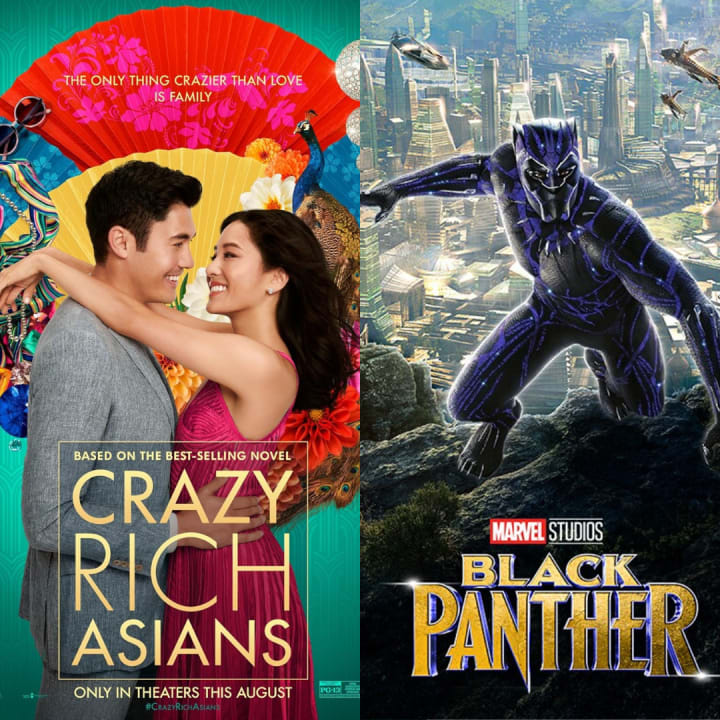
In recent years, the film industry has made progress in moving away from these stereotypes; take the example of the Marvel films Black Panther and the other Crazy Rich Asians, which show the African and Asian cultures with respect and complexity by highlighting their diversity and richness. These films have not only achieved box office success but also generated important conversations about diversity in cinema.
The Role of Filmmakers in Promoting Diversity
Last but not least, we should not forget that today filmmakers, writers, and producers are also more aware of the importance of authentic representation. They ensure that their stories are told in the right way because they hire talent and crew from diverse backgrounds. With this, it not only promotes the subject but also shows new ideas and perspectives towards film.
And with the rise of popular streaming platforms like Netflix and Amazon Prime, has allowed people to have global reach for films that are made in other parts of the world. This has made them easily access films from Hollywood, Bollywood, and other industries to expand their cultural horizons.
Conclusion
So, this cultural representation in films goes beyond entertainment; it acts as a bridge that connects different communities in establishing empathy and strengthens identity. Portraying diverse cultures in films shows the power to bring people closer and promote a more inclusive world.
About the Creator
BHASKAR
Writing on interesting and relevant topics that will engage readers of all stripes.
Interactive Learning Transforming Modern Education
Education has always evolved with time. From handwritten manuscripts to printed books and now digital platforms, the way people learn has continuously adapted to new technologies and changing societal needs. In the modern world, education is no longer limited to traditional classrooms or long lectures. Instead, learning has become more interactive, engaging, and accessible than ever before.
By Backlinks Cart2 days ago in Education




Comments
There are no comments for this story
Be the first to respond and start the conversation.