
Beyond Genetics: How Your Skin Color Changes & What You Can Do About It
"Unmasking the Layers: Understanding and Influencing Your Skin's Ever-Changing Hue"
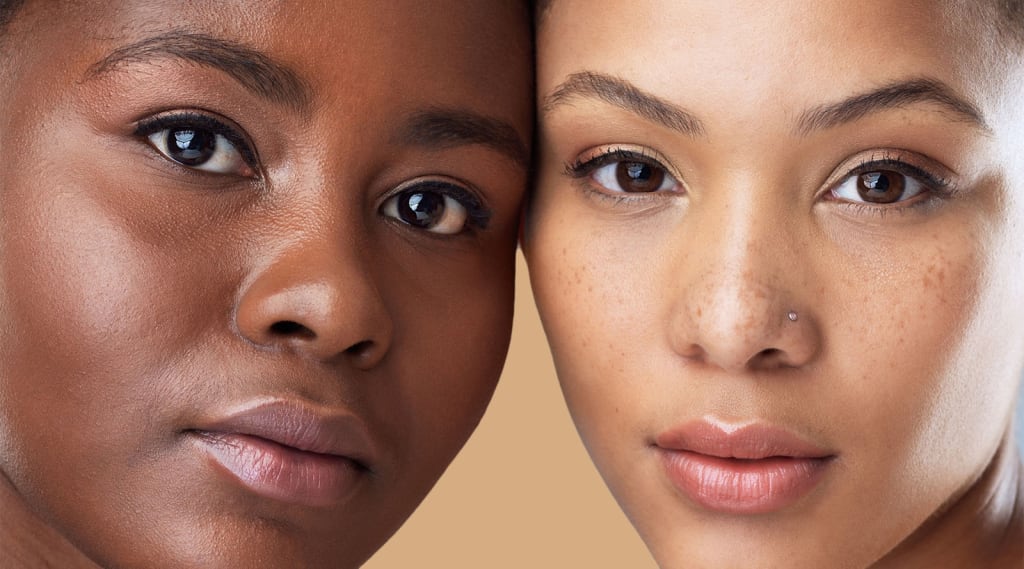
1. Introduction: The Story of Your Skin
Skin tone is one of the most conspicuous characteristics that make up human diversity. It speaks of evolution, adaptation, and identity. From the blistering African grasslands to the foggy forests of Europe, human skin has changed over millennia, molded by sun, genes, and movement.
But in modern times, skin color is more than a biological characteristic—it's a topic of beauty, identity, and controversy. Social media, beauty culture, and societal perceptions influence the way individuals think about their skin. But just how much of our skin tone is actually in our hands, and what besides DNA determines it? Let's get into the science, myths, and the future of skin color.
2. The Science of Skin Tone: More than Just Genetics
Though genetics are a determining factor for skin color, the tale is more complicated than inheritance from one's parents.
The Role of Melanin
Respected geneticist Dr. Nina Jablonski, who has studied skin evolution at length, writes that melanin—the color determinant of the skin—is found in two varieties:
• Eumelanin (brown/black color) gives protection against UV.
• Pheomelanin (yellow/red pigment) occurs in lighter-complexioned people but offers a lesser UV protection.
The quantity and kind of melanin your skin contains depend on genes such as MC1R, SLC45A2, and TYR that regulate pigmentation. But the environment can influence how these genes are expressed.
Why Do Some Tan and Others Not?
Not everyone's skin responds to the sun in the same manner. Researchers have found differences in the SLC24A5 gene, which has a significant impact on how well your skin responds to the sun. That is why some individuals get a deep tan and others burn quickly
3. Can You Naturally Change Your Skin Tone?
The need to change skin tone has driven a market of skincare products, but what really works?
The Real Effect of Diet and Hydration
• Carotenoids, contained in carrots, tomatoes, and spinach, are able to make skin glow with a natural golden brown color.
• Vitamin C increases collagen and can brighten the skin.
• Hydration is key—dried-out skin just looks healthier and more radiant.
The Truth About Natural Remedies—Do They Work?
Certain natural treatments, such as turmeric masks, are touted for their ability to brighten the skin. Dermatologists warn, though, that dramatic results should not be anticipated. Genetics remain the foundation, and while skin care can improve, it cannot change skin color permanently.
4. The Coming of Skin Technology: Beauty Without Boundaries
The world of beauty is changing fast, and technology is revolutionizing the way individuals tackle skin issues.
AI-Driven Skincare & Personalized Treatments
Brands such as L'Oreal and Neutrogena are using AI-based skin analysis tools, providing individualized skincare regimens based on skin type and issue.
Cosmetic Trends Redefining the Future of Skin Aesthetics
•Laser treatments address pigmentation, improving irregular skin color.
• Micro-needling & chemical peels stimulate new skin growth.
• Gene-editing studies investigate long-term pigmentation changes, although this is controversial.
5. The Controversy: Colorism, Identity & The Media's Role
Despite advances in science, the controversy of skin color continues. Colorism—preference for lighter skin among ethnic groups—continues to be a problem worldwide.
Why Society Still Debates "Ideal" Skin Tones
Sociologist Dr. Evelyn Nakano Glenn has studied how colonial histories and media images influence culture's ideal body image. Lighter skin continues to correlate with success and privilege in most cultures, generating huge markets for skin-lightening products.
The Psychology of Self-Acceptance and Evolving Beauty Standards
With campaigns such as #UnfilteredBeauty and body positivity initiatives, there is increasing consciousness to accept natural skin tones. Increasing numbers of celebrities and influencers are voicing opposition to unrealistic beauty standards and encouraging confidence over color.
6. Conclusion: The Future of Skin Diversity & Personal Choices
So, will technology change beauty or should we embrace what we currently have?
Science proves that while genetics provide the building block, lifestyle and environment determine the way our skin looks. The actual question is: Are we looking for change for self-care or acceptance by society?
The future must be about empowerment, self-acceptance, and diversity—because beauty really does not exist in conforming but in being who we are.
Final Thought:
Do you control your beauty, or does the world dictate how you perceive yourself?
About the Creator
Keep reading
More stories from writers in Education and other communities.
Guide to Canada's Six Essential Learning Skills for Students
Written by Kiki Devano In Canada, there are the six essential skills that are encouraged for students to develop. These learning skills have a formidable impact on student learning and will help them achieve further success. This is a guide to aid students in successfully developing the essential skills.
By Kiki Devano4 days ago in Education
Benefits of Study Abroad Scholarships
Benefits of Study Abroad Scholarships Millions of students around the world long to study abroad. It's very exciting to have the chance to study at a foreign university, learn about a new culture, and build a career that spans the globe.
By Farida Kabir4 days ago in Education



Comments
There are no comments for this story
Be the first to respond and start the conversation.