
Best Books on Investing and Finance: A Complete Guide for Beginners and Professionals
Discover the Top Books to Master Personal Finance, Investing, and Wealth-Building Strategies
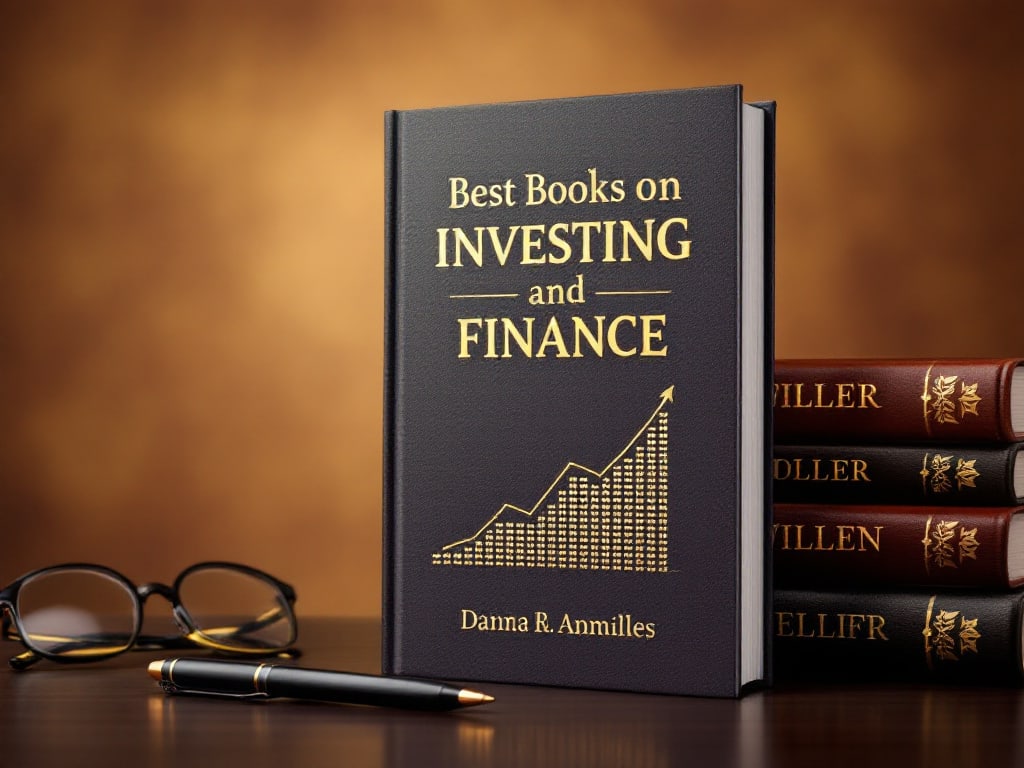
Understanding finance and investing is key to building wealth and achieving financial independence. Whether you're just beginning your financial journey or you're already experienced, the right books can provide valuable insights. In this guide, we’ll explore the best books on investing and finance, offering something for everyone—from beginners to professionals. Read on to learn which books can help you master personal finance and investing.
Why Financial Literacy Matters
Financial literacy is the foundation of making smart financial decisions. Whether you’re looking to save for retirement, buy a house, or grow your wealth through investing, understanding money management is crucial. With the right knowledge, you can reduce financial stress and build a secure future.
Tip for Beginners: If you're new to investing, start with basic books that teach you about budgeting, saving, and investing principles before moving on to advanced strategies.
The Top Books on Investing and Finance
1. The Intelligent Investor by Benjamin Graham
Why Read It: Often considered the bible of value investing, this book by Benjamin Graham teaches timeless strategies on how to invest in stocks and bonds with a long-term focus. Warren Buffett, one of Graham’s most famous students, attributes much of his investing success to the principles in this book.
Key Takeaway: Focus on value investing—buying undervalued stocks that have strong fundamentals. This strategy helps minimize risks and maximize returns.
2. Rich Dad Poor Dad by Robert Kiyosaki
Why Read It: This book challenges conventional wisdom and teaches the difference between assets and liabilities. Kiyosaki emphasizes the importance of financial education and offers advice on how to build wealth through real estate, stocks, and other investments.
Key Takeaway: Financial independence comes from investing in assets like property or businesses that generate passive income, rather than relying on a salary alone.
3. The Little Book of Common Sense Investing by John C. Bogle
Why Read It: John Bogle, the founder of Vanguard, advocates for low-cost index fund investing in this book. It is a great choice for those who want to simplify their investment approach.
Key Takeaway: Index funds are a low-cost, reliable way to invest in the stock market over the long term. They help minimize costs and provide steady returns.
4. The Millionaire Next Door by Thomas J. Stanley and William D. Danko
Why Read It: This book examines the habits of wealthy individuals, many of whom live frugally and prioritize saving and investing. It provides valuable lessons on how ordinary people can build extraordinary wealth.
Key Takeaway: The wealthy often live below their means, avoid unnecessary debt, and focus on building wealth slowly and steadily through smart investments.
5. Your Money or Your Life by Joe Dominguez and Vicki Robin
Why Read It: This book focuses on transforming your relationship with money. It teaches readers how to manage their money more consciously, emphasizing the importance of budgeting and aligning spending with your values.
Key Takeaway: Tracking your spending and creating a budget can help you take control of your financial future and start building wealth.
6. The Psychology of Money by Morgan Housel
Why Read It: This book combines investing advice with behavioral finance, exploring how our emotions influence financial decisions. It’s an insightful read for anyone looking to improve their financial mindset.
Key Takeaway: How you think about money influences your financial decisions more than you might realize. Successful investors maintain emotional discipline.
7. The Simple Path to Wealth by JL Collins
Why Read It: JL Collins simplifies investing by focusing on the importance of financial independence and long-term wealth-building. His book is great for beginners looking to invest for retirement and other goals.
Key Takeaway: Focus on low-cost index funds and maintain a simple, long-term approach to investing. The stock market is one of the best tools for building wealth over time.
How to Choose the Right Book for You
With so many books out there, it can be tough to know where to start. Here’s how to pick the right book based on your goals:
Beginners: Start with books like Rich Dad Poor Dad or The Intelligent Investor to get a solid understanding of investing and personal finance.
Long-Term Wealth-Building: If you want to learn how to build wealth slowly and steadily, read The Millionaire Next Door or The Simple Path to Wealth.
Emotional Discipline in Investing: For a deeper understanding of how emotions impact your financial decisions, The Psychology of Money is a great choice.
Start Your Financial Journey Today
Investing is a powerful tool for building wealth and achieving financial freedom, but it’s important to start with the right knowledge. The books listed above provide valuable lessons on investing, saving, and building wealth. Whether you’re just starting out or looking to refine your strategies, these books can guide you to financial success.
Take control of your financial future today. Pick up one of the books mentioned above and start learning about smart investing. For more tips on personal finance and investing, subscribe to our newsletter for regular updates and expert advice.
About the Creator
Keep reading
More stories from writers in Education and other communities.
Engineering and Construction Expertise in Oil and Gas EPC Projects
Oil and gas engineering, procurement, and construction (EPC) services play a vital role in developing energy infrastructure across the world. These services cover the complete lifecycle of large-scale energy projects, from initial design and engineering to material sourcing, construction, and final commissioning. As global energy needs continue to evolve, oil and gas EPC activities remain essential for ensuring reliable energy production, transportation, and processing.
By Bobby Yadava day ago in Education
Frontier Strategies: Navigating Global Markets with Data-Driven Risk Management Solutions
Global companies face increasing uncertainty as they expand across continents, and they depend on sophisticated analytics to understand the forces shaping international performance. Moreover, leaders strengthen competitive positioning by integrating global risk signals into their planning, helping them anticipate disruptions before they intensify. Additionally, data tools reveal patterns across regulatory systems, regional economies, and supply chains that manual analysis would overlook. Consequently, organizations gain the clarity they need to make informed decisions as they adapt to rapidly changing global environments.
By Ehab Al Kuttub7 days ago in Education
~ Fired ~
— Ai Intrusion ~ Are you Next ~ Is Ai Evolution after your job? — Few workplaces haven't been affected. Ai is in supermarkets, at doctors' offices, and even monitoring farms. I just can't think of anything this machine is not getting into, can you? For instance: Education ~ Law and Tech jobs will one day have a major influence or be taken over by these inanimate machines, with accuracy and vigor. From mechanics' diagnoses to a wide variety of everyday jobs, including fast food workers, with this input having the ability to cut their unnecessary work hours. I'm certain all of us have been touched by this with our short stories and colorful headings, have you? Even comments are very questionable 'Non-Robot' insertions.
By Jay Kantor4 days ago in Journal
Dead and Wearing Green
She was wearing that green dress when I first saw her, five years ago to the day. Flowing meadow fabric draped over long legs, thick auburn hair flowing down her back. That smile. Of course, she is still beautiful now. But now she is no longer alive.
By Karen Cave7 days ago in Fiction


Comments
There are no comments for this story
Be the first to respond and start the conversation.