
Battling Bullying: Creating Safer School Environments for All
Uniting Against Bullying: Empowering Students, Inspiring Change
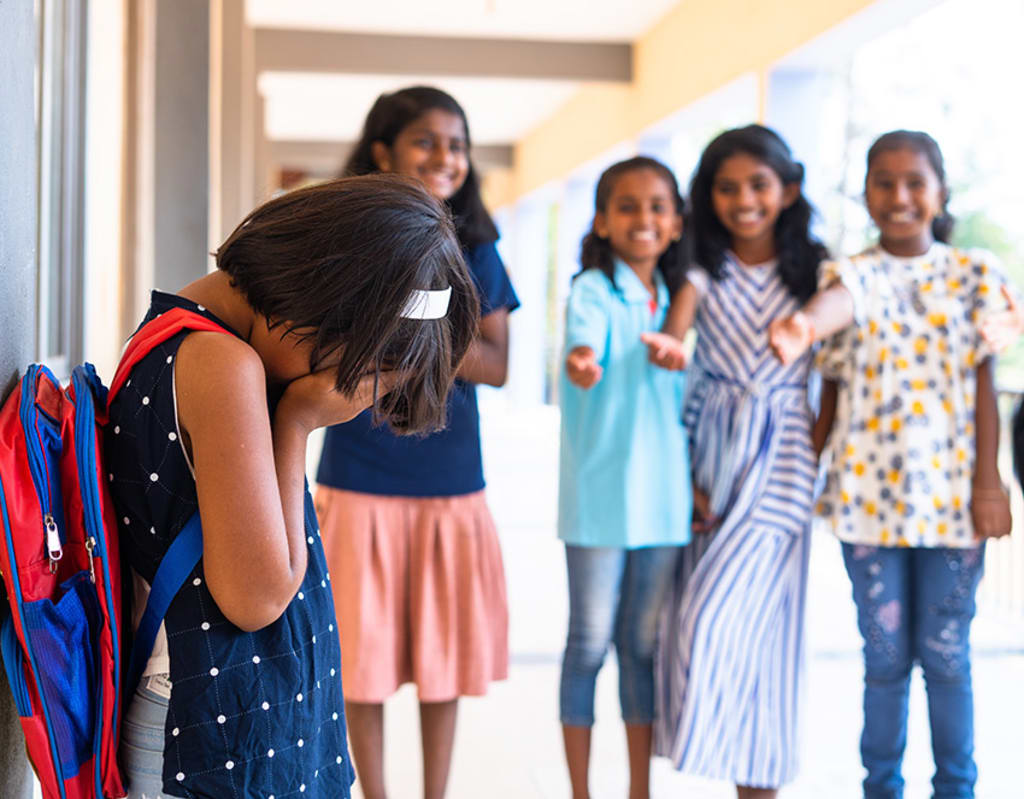
Bullying is a pressing issue that continues to plague schools around the world. Its detrimental effects on students' mental and emotional well-being, academic performance, and overall development cannot be overlooked. In this blog, we delve into the complex problem of bullying, exploring its various forms, consequences, and, most importantly, strategies to combat it. By fostering empathy, promoting inclusivity, and implementing effective anti-bullying measures, we can strive towards creating safer school environments where every student can thrive.
Understanding Bullying:
Bullying manifests itself in different ways, such as physical, verbal, or psychological aggression. It often involves a power imbalance, where the bully exerts control over the victim. We explore the types and characteristics of bullying to raise awareness and help identify instances of bullying in schools.
The Impact of Bullying:
Bullying takes an enormous toll on the lives of the victims, causing profound emotional distress, anxiety, depression, and even leading to self-harm or suicidal thoughts. Additionally, it adversely affects academic performance, attendance, and overall engagement in school activities. By comprehending the wide-ranging consequences of bullying, we realize the urgency of addressing it effectively.
Creating a Bully-Free Environment:
Schools play a pivotal role in fostering a safe and nurturing environment for students. We discuss the importance of developing a comprehensive anti-bullying policy that clearly defines expectations, consequences, and procedures for reporting incidents. Additionally, we explore strategies for promoting empathy, tolerance, and respect within the school community.
Building Empathy and Social Skills:
Empathy is a powerful tool in combatting bullying. By fostering empathy through education and awareness programs, we encourage students to understand and appreciate the experiences and emotions of others. We highlight the significance of social and emotional learning (SEL) programs and suggest practical activities to cultivate empathy among students.
Encouraging Bystander Intervention:
Bystanders can play a crucial role in preventing and mitigating bullying incidents. We discuss the importance of empowering bystanders to take a stand against bullying by providing them with the knowledge and skills necessary to intervene safely and effectively. This section explores strategies to encourage bystander intervention and create a supportive culture where bullying is not tolerated.
Strengthening Parent and Community Involvement:
Parents, caregivers, and the wider community are vital partners in addressing bullying in schools. We emphasize the importance of open communication channels between schools and parents, as well as community involvement in anti-bullying initiatives. Collaboration and engagement help create a united front against bullying.
Cyberbullying: The Modern Challenge:
In the digital age, bullying has extended its reach to online platforms. Cyberbullying presents unique challenges and requires specific approaches for prevention and intervention. We shed light on the nature of cyberbullying, its impact, and offer guidance on how schools can address this growing concern.
Restorative Practices and Conflict Resolution:
Restorative practices provide an alternative approach to punitive measures by focusing on healing and repairing relationships. We explore restorative justice principles and techniques that can be implemented in schools to address bullying incidents and promote understanding, accountability, and empathy.
Conclusion:
Bullying in schools is a significant issue that demands immediate attention. By implementing comprehensive anti-bullying strategies, promoting empathy, and fostering a culture of respect and inclusion, schools can become safe spaces where students thrive. Let us unite in our commitment to combat bullying and create a brighter, bully-free future for all students.
About the Creator
From Job to Prison: Revenge, Sacrifice, and Ending
The story begins by showing a bald and strong man named Bradley, who is a car mechanic by profession. As usual, Bradley reaches the garage with a broken car, but after arriving there, he sees that the garage owner is anxiously waiting only for him, which makes him a little surprised. Then the garage owner calls him into his office. Hearing this, Bradley understands that he is about to be fired from his job, and exactly that happens. The owner tells him that these days the garage is going through a financial crisis, and that is why he is being forced to fire some workers. But this is only an excuse, because Bradley is a hard-tempered man, and the owner wants to remove him and hire someone who flatters him. Now since Bradley is a tough man, he does not argue with the owner. He goes to the locker room, takes out his belongings, takes his car, and silently leaves for home. And yes, friends, this is where the downfall of Bradley’s life begins, which continues straight until the end of the story and ends there. Anyway, Bradley stops his car in front of his house, and at the same time he sees that his wife Lauren is sitting in her car, talking to someone on the phone. Bradley becomes suspicious of her. To know the truth, he keeps watching her carefully for some time. When he becomes sure, he immediately goes to Lauren and tells her to open the car door. His wife says, “You came back from work very early today.” At the same moment, Bradley notices marks of someone else’s lips on her neck and says to Lauren, “Give me your phone.” But Lauren refuses to give the phone, because of which Bradley forcefully snatches the phone from her, and his suspicion turns out to be correct. She is talking on the phone with another man. In anger, Bradley tells Lauren to go inside the house. Lauren says, “At least listen to me.” Bradley says, “I said go inside the house.” Then Lauren silently goes inside the house. Now, he had already been fired from his job a little while ago, and now his wife’s affair, because of which he had become even more disturbed, so he starts taking out all his anger on Lauren’s car. How? You can see that yourself. Yes, he is so angry that he does not even realize that his hands have been badly injured. After that, he calms himself down and goes inside the house and questions Lauren about how many days she has been with the other man. Lauren tells him everything, that for the past three months she had been having an affair with someone else. Actually, Bradley’s wife had an abortion a few days earlier, because of which she used to remain sad, and Bradley often stayed busy with his work. Because of this, Lauren felt lonely and very depressed at home, and to fill this emptiness, she had to take support from another man. Hearing these things, Bradley realizes that he should have given time to Lauren. He apologizes to Lauren for this and says that from today, from right now, they will both start a new life. Lauren agrees. After that, Bradley tells Lauren that he has been fired from his job and now he will work for a man named Gil, who is a drug lord. As soon as she hears Gil’s name, Lauren clearly refuses and says, “You yourself said that you would never work with Gil.” Bradley says, “Yes, but in such circumstances, we cannot live like a prosperous family. To run a family, money is needed, and at this time I have no other option.” He also assures Lauren that he will do this work very carefully.
By Filmon Ke Raaz | Movie Mysteries Explained6 days ago in Education
Punjab Orders Action Against Private Schools Pressurizing Parents to Buy From Selected Shops
In a bold move to protect parents and uphold fair practices in education, the Punjab government has ordered strict action against private schools that allegedly pressure parents to purchase supplies, uniforms, or books from selected vendors. The directive comes after multiple complaints surfaced regarding unfair practices that forced families to spend extra money or adhere to specific buying instructions, often leaving them with little choice.
By Muhammad Hassanabout 23 hours ago in Education




Comments
There are no comments for this story
Be the first to respond and start the conversation.