
Battles of WW2(Pt.2)
This is the second part of Battles of WW2 That changed the shape of entire war.
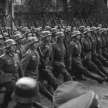

In my last story I told you about some of the battles that were fought during WW2.
Today i am going to tell you about other battles of it that made huge impacts on the war.
1. Battle of Dunkirk:
The Battle of Dunkirk took place in 1940 during the early stages of World War II. After the German invasion of France, British, French, and Belgian forces found themselves trapped on the beaches of Dunkirk, a port city in northern France. They were surrounded by German forces and faced the prospect of either surrender or annihilation.
In response, the British initiated a massive evacuation effort to rescue their troops and their allies. Over the course of nine days, hundreds of ships, including military vessels, fishing boats, and pleasure crafts, were mobilized to ferry the stranded soldiers across the English Channel to safety in Britain.
The evacuation, known as Operation Dynamo, was a remarkable success. Over 330,000 troops were rescued, including over 100,000 French soldiers. However, the operation came at a cost. The Allies lost most of their equipment and vehicles, and the Germans were able to capture a significant amount of abandoned supplies.
The Battle of Dunkirk had significant consequences for the rest of the war. It allowed the British to maintain a significant military force, which was critical in the defense of Britain during the Battle of Britain later that year. It also gave hope to the Allied forces, who had suffered a series of defeats at the hands of the Germans in the early years of the war. Finally, the evacuation allowed the French army to regroup and fight on for several more weeks, delaying the German advance and buying time for the Allies to prepare their defenses.
2. Battle of Britain:
The Battle of Britain was a major air campaign fought between the British Royal Air Force (RAF) and the German Luftwaffe during the summer and fall of 1940, early in World War II. The battle was primarily fought over the skies of southern England and was a pivotal event in the war, often considered the first major Allied victory.
After successfully invading France, the German military turned its attention to Britain, with the ultimate goal of achieving air superiority over the island nation. The Luftwaffe launched a series of attacks on British airfields, ports, and cities, in an effort to cripple the RAF and pave the way for a full-scale invasion.
The RAF responded with a strong defense, utilizing advanced radar technology and tactics that allowed them to track and intercept German bombers and fighters. Despite being outnumbered and outgunned, the RAF was able to inflict significant damage on the German air force and prevent them from achieving their objectives.
The battle continued for several months, with both sides taking heavy losses. However, by the end of October 1940, the RAF had emerged victorious. The Luftwaffe was forced to abandon its plans for an invasion of Britain, and the Allies had achieved a major victory that helped turn the tide of the war.
The Battle of Britain had significant consequences for the rest of the war. It demonstrated the effectiveness of the RAF and the importance of air power in modern warfare. It also marked the first major defeat of Hitler's military forces, and served as a morale boost for the Allied powers. Finally, the battle helped cement the relationship between Britain and the United States, which would become a key ally in the war effort.
3. Siege of Leningrad:
The Siege of Leningrad was a long and devastating military blockade of the city of Leningrad (now known as Saint Petersburg) in Russia during World War II. The siege began on September 8, 1941, when German forces surrounded the city, cutting off its supply lines and trapping its residents inside.
The siege lasted for 872 days, making it one of the longest and deadliest in history. The city was subjected to intense bombardment, with German artillery and air raids causing widespread destruction and loss of life. The blockade also caused severe food and fuel shortages, leading to famine and disease. Residents were forced to resort to extreme measures to survive, including eating pets, rats, and even the bodies of the dead.
Despite the overwhelming odds, the citizens of Leningrad held out against the German forces. The Soviet army was eventually able to break through the blockade and liberate the city in January 1944. However, the cost was high. Estimates suggest that over one million people died during the siege, including both civilians and soldiers.
The Siege of Leningrad had significant consequences for the rest of the war. It demonstrated the strength and resilience of the Soviet people, and helped to boost morale and support for the war effort. It also had a lasting impact on the city of Leningrad, which was left devastated by the siege and took years to rebuild. The siege is remembered as a tragic and heroic chapter in the history of World War II.
4. Battle of Moscow:
The Battle of Moscow was a major military engagement between German and Soviet forces during World War II. The battle began on October 2, 1941, when German forces launched a massive offensive towards Moscow, the capital of the Soviet Union.
The German offensive, known as Operation Typhoon, was initially successful, with German forces making rapid gains towards Moscow. However, they soon encountered fierce resistance from the Soviet army, which had been preparing its defenses for months. The Soviet defenders utilized a combination of strong fortifications, guerilla tactics, and harsh winter conditions to slow down the German advance.
The battle was fought over a vast area, with multiple engagements taking place in different parts of the front. The Soviet Union launched several counterattacks, some of which were successful in driving back the German forces. The battle was fought in harsh winter conditions, which further complicated the situation for both sides.
Despite their initial successes, the German forces were eventually forced to halt their offensive and withdraw from the Moscow area. The Soviet Union emerged victorious in the battle, with the German forces suffering heavy losses in both men and equipment.
The Battle of Moscow had significant consequences for the rest of the war. It marked the first major defeat for the German army, and helped to turn the tide of the war in favor of the Allies. It also demonstrated the strength and resilience of the Soviet army and the Soviet people, and served as a major morale boost for the Allied forces. Finally, it marked the beginning of a long and grueling war on the Eastern Front, which would continue until the final defeat of Germany in 1945.
5. Battle of Al Alamein:
The Battle of El Alamein was a major military engagement between Allied forces, primarily from the British Commonwealth, and German and Italian forces during World War II. The battle took place in the deserts of Egypt, near the town of El Alamein, from July to November 1942.
The battle was part of the North African campaign, which saw Allied forces fighting to secure control of North Africa and the Mediterranean. The German and Italian forces had been making significant gains in the region, and had advanced as far as Egypt. The Allies, led by British General Bernard Montgomery, launched a major offensive against the Axis forces in an effort to push them back.
The battle was fought in a series of engagements, with both sides suffering heavy losses. The Allies used their superior numbers and equipment to gradually wear down the German and Italian defenses. The battle was notable for the extensive use of tanks and artillery, as well as for the innovative tactics employed by both sides.
The turning point of the battle came in late October 1942, when the Allies launched a major attack against the German and Italian lines. The attack was successful, and the Axis forces were forced to retreat. The Allies pursued them, eventually capturing thousands of prisoners and inflicting significant damage on the enemy forces.
The Battle of El Alamein was a major victory for the Allies. It marked the end of the Axis advance in North Africa and secured control of the region for the Allies. It also had significant strategic implications, as it allowed the Allies to launch a successful invasion of Italy and opened up new fronts in the war. Finally, the battle served as a major morale boost for the Allied forces, who had been struggling to achieve significant victories on the battlefield.
6. Battle of Monte Cassino:
The Battle of Monte Cassino was a major military engagement between Allied and Axis forces during World War II. The battle took place in Italy, near the town of Cassino, from January to May 1944.
The battle was part of the Allied effort to capture Rome and defeat the German forces in Italy. The town of Cassino was strategically important, as it was located on the main road to Rome and was the site of an ancient monastery, the Abbey of Monte Cassino.
The battle was fought in a series of engagements, with both sides suffering heavy losses. The German forces, occupying the high ground around Monte Cassino, had constructed a series of fortifications and bunkers, making it difficult for the Allies to make any progress. The Allies launched a series of offensives against the German defenses, but were repeatedly repulsed.
The turning point of the battle came in May 1944, when the Allies launched a massive bombardment of the German positions. This was followed by a coordinated assault by Allied ground forces, which succeeded in capturing the town of Cassino and the Abbey of Monte Cassino.
The Battle of Monte Cassino was a significant victory for the Allies, as it opened up the road to Rome and paved the way for the eventual defeat of the German forces in Italy. However, the battle was also controversial, as the decision to bomb the ancient monastery at Monte Cassino was heavily criticized by some, who argued that it was unnecessary and a violation of cultural heritage.
The Battle of Monte Cassino was one of the bloodiest and most grueling engagements of the war in Italy, and is remembered as a major milestone in the Allied campaign to defeat Germany in Europe.
However these are some more of these battles and I will make another story on other battles of WW2. I will try my best to make more quality content.
About the Creator
Keep reading
More stories from War Explained and writers in Education and other communities.
Battles of WW2
World War II (WWII) was a global conflict that lasted from 1939 to 1945, involving the major powers of the world, including the Allied and Axis powers. The war emerged from the aftermath of World War I and the rise of totalitarian regimes, particularly Nazi Germany under the leadership of Adolf Hitler.
By War Explained3 years ago in Education
Dr. Richard Kannwischer on Christian Community in a Digital Age: Koinonia and the Ethics of Belonging
Dr. Richard Kannwischer is Senior Pastor of Peachtree Presbyterian Church and has served more than 25 years in pastoral ministry. He earned a Master of Divinity from Princeton Theological Seminary and a Doctor of Ministry from Fuller Theological Seminary. A gifted communicator, he is passionate about helping people see how the story of God speaks with clarity, depth, and relevance to everyday life. His preaching and writing blend theological rigor with storytelling, making complex truths accessible and engaging. Whether in the pulpit, on the page, or in conversation, he invites audiences into practical, life-giving Christian faith for seekers and believers.
By Scott Douglas Jacobsen3 days ago in Education
Where Wisdom Meets Action: The Deep Connection Between Culture, Education, and Service
In any thriving society, specific values act as the foundation for growth, unity, and identity. Among these, culture, higher education, and service stand out as essential pillars. While they may operate in different spheres, they are deeply connected by a shared purpose — to empower individuals and strengthen communities through knowledge, empathy, and tradition.
By Carmen Reid4 days ago in Education


Comments
There are no comments for this story
Be the first to respond and start the conversation.