
ASUS Revolutionizes Wearable Health Tech with First Smartwatch to Offer Dual Blood Pressure and ECG Monitoring
Dual-Sensor Breakthrough Challenges Tech Giants, Delivers Medical-Grade Accuracy for Proactive Heart Health Management

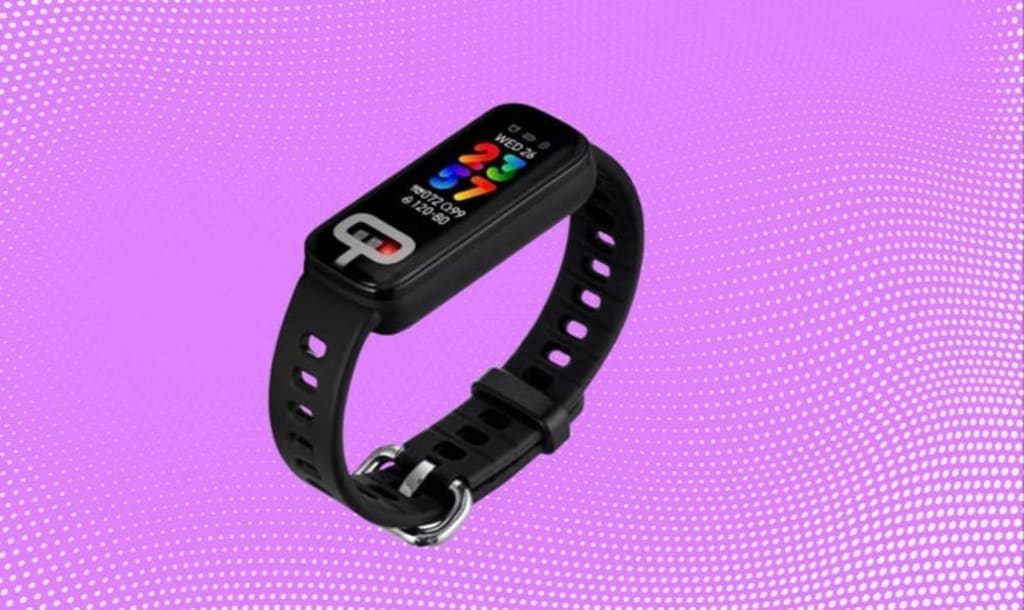
The wearable technology market is undergoing a seismic shift as health-focused features become the cornerstone of innovation. Leading this charge is ASUS, which has unveiled a groundbreaking smartwatch that integrates blood pressure monitoring and electrocardiogram (ECG) capabilities into a single device. This move positions ASUS as a formidable competitor in the rapidly evolving health-tech arena, challenging industry giants like Apple and Samsung. Below, we explore the implications of this launch, the technology behind the device, and its potential to redefine personal health management.
The Dual Health Monitoring Breakthrough
ASUS’s new smartwatch marks a significant milestone as the first wearable to combine continuous blood pressure tracking and medical-grade ECG analysis. Traditionally, these features have been siloed in consumer devices due to technical and regulatory challenges. For instance, Apple Watches offer ECG but lack blood pressure monitoring, while Samsung’s Galaxy Watches require frequent calibration with a traditional cuff for blood pressure readings. By merging both functions, ASUS addresses a critical gap in the market, empowering users to monitor cardiovascular health comprehensively.
How It Works
Blood Pressure Monitoring: The device likely employs photoplethysmography (PPG) sensors, which use light to detect blood volume changes in the wrist. Advanced algorithms then convert this data into blood pressure readings. Unlike Samsung’s approach, ASUS’s solution may eliminate the need for external calibration, offering greater convenience.
ECG Functionality: Electrodes embedded in the watch’s frame measure the heart’s electrical activity, detecting irregularities like atrial fibrillation (AFib). This feature aligns with clinical standards, providing results comparable to a single-lead ECG used in medical settings.
The integration of these technologies suggests ASUS has prioritized accuracy and user accessibility, two pain points in existing wearables.
Medical Validation and Regulatory Hurdles
For health tech to gain consumer and medical trust, regulatory approvals are critical. ASUS’s smartwatch is expected to carry certifications such as FDA clearance (U.S.) or CE marking (Europe), indicating compliance with rigorous clinical standards. However, challenges persist:
Blood Pressure Accuracy: Wrist-based measurements are inherently less reliable than upper-arm cuffs due to motion artifacts and anatomical differences. ASUS’s ability to mitigate these issues will determine the device’s credibility.
Data Interpretation: While ECG apps can detect arrhythmias, they cannot diagnose conditions outright. ASUS will need to emphasize that the device is a preventive tool, not a replacement for professional medical advice.
Despite these limitations, the smartwatch represents a leap forward in democratizing access to vital health metrics.
Competitive Landscape: ASUS vs. Apple, Samsung, and Fitbit
ASUS’s entry intensifies competition in the high-stakes health-tech market. Here’s how it stacks up against rivals:
1. Apple Watch Series 8/Ultra:
Strengths: Robust ECG app, seamless iOS integration, and a mature ecosystem.
Weaknesses: No blood pressure monitoring, premium pricing.
2. Samsung Galaxy Watch 6:
Strengths: Blood pressure tracking (with cuff calibration), ECG, and Android compatibility.
Weaknesses: Calibration requirements create friction for users.
3. Fitbit Sense 2:
Strengths: Stress and SpO2 tracking, affordable subscription-based health insights.
Weaknesses: Lacks on-device ECG analysis and blood pressure features.
ASUS’s unique selling proposition lies in its all-in-one health suite, which could appeal to users seeking consolidated data without juggling multiple devices.
Target Audience: Who Stands to Benefit?
This smartwatch caters to two key demographics:
1. Health-Conscious Individuals: Fitness enthusiasts tracking workouts, sleep, and recovery.
2. At-Risk Populations: Users with hypertension, heart disease, or a family history of cardiovascular issues.
For the latter group, continuous monitoring could enable early detection of anomalies, prompting timely medical intervention. For example, an irregular ECG reading might alert a user to seek a professional diagnosis before symptoms escalate.
Design and User Experience
While technical specs remain undisclosed, ASUS’s reputation for sleek, user-friendly design suggests the watch will balance aesthetics and functionality. Anticipated features include:
AMOLED Display: For crisp visibility indoors and outdoors.
Multi-Day Battery Life: Critical for continuous health tracking.
Water Resistance: To support swimming and intense workouts.
Companion App: A hub for trend analysis, medication reminders, and data sharing with healthcare providers.
The app’s ability to contextualize data—such as correlating blood pressure spikes with stress events—could enhance its utility.
Ethical and Privacy Considerations
As wearables collect sensitive health data, ASUS must address:
Data Security: Encryption protocols to safeguard user information.
Informed Consent: Clear communication about how data is used, especially if shared with third parties.
Health Disparities: Ensuring affordability to avoid exacerbating inequities in healthcare access.
The Road Ahead: Challenges and Opportunities
Challenges:
User Education: Misinterpretation of data could lead to unnecessary anxiety or complacency.
Regulatory Variability: Navigating different certification requirements across regions.
Opportunities:
AI Integration: Predictive analytics could alert users to long-term health trends.
Telemedicine Partnerships: Syncing data with platforms like Teladoc for real-time clinician review.
Conclusion: A New Era for Preventive Healthcare
ASUS’s dual-function smartwatch is more than a gadget—it’s a paradigm shift in personal health management. By consolidating blood pressure and ECG tracking, the device empowers users to take proactive control of their well-being while providing clinicians with actionable insights. Though not a replacement for medical devices, its value lies in prevention, awareness, and convenience.
As the wearable market evolves, ASUS’s innovation sets a high bar, compelling competitors to accelerate their own health-tech roadmaps. For consumers, this means more choices, better technology, and ultimately, a brighter future for global health outcomes.
About the Creator
Tech Horizons
Exploring the future of technology, AI, gadgets, and innovations shaping tomorrow. Stay updated with Tech Horizons!
Keep reading
More stories from Tech Horizons and writers in Education and other communities.
Apple’s iPhone 17 Pro: New Renders Reveal Sleek Camera Bar Design and Unified Rear Panel
As the tech world looks ahead to the future of Apple’s iconic smartphone lineup, the iPhone 17 Pro is already stirring excitement thanks to new renders that offer an early glimpse of what could be one of the most refined designs yet. According to a recent leak, Apple appears to be making some noteworthy design adjustments that will not only affect the phone’s aesthetics but could also influence how users perceive the device’s quality and style.
By Tech Horizons9 months ago in Education
How Community Service Strengthens You and the Place You Call Home
Community service is more than simply giving your time—it’s a powerful way to build stronger connections, improve local spaces, and create positive change that lasts. Whether you volunteer once a month or every weekend, your efforts can make a meaningful difference for both you and the people around you.
By Kevin Knasel41 minutes ago in Education


Comments
There are no comments for this story
Be the first to respond and start the conversation.