
Apple’s iPhone 17 Pro: New Renders Reveal Sleek Camera Bar Design and Unified Rear Panel
Apple’s Upcoming Flagship Ditches Two-Tone Design in Favor of a Sleek Unified Look, Featuring a Horizontal Camera Bar and Next-Gen A19 Pro Chip.

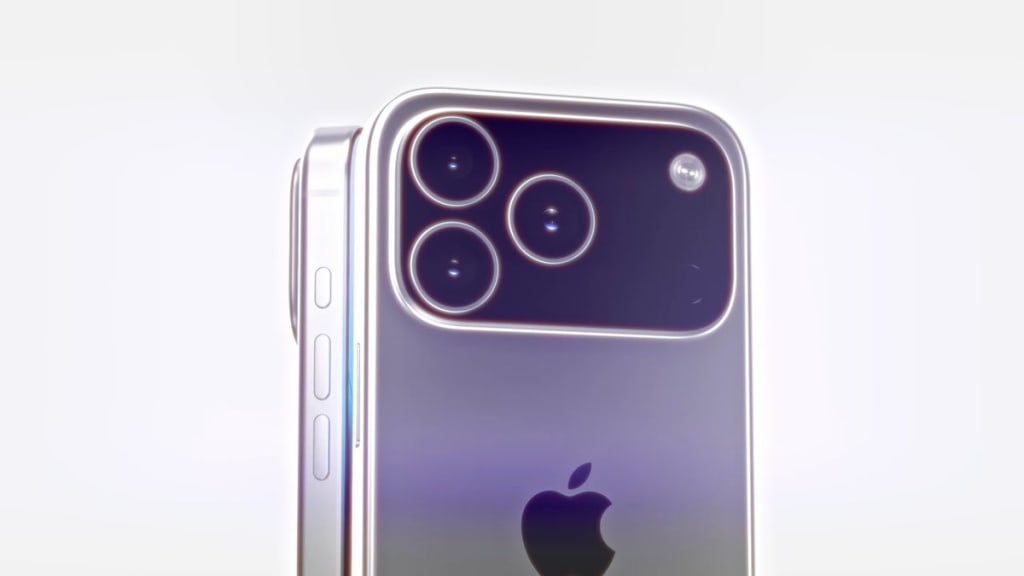
As the tech world looks ahead to the future of Apple’s iconic smartphone lineup, the iPhone 17 Pro is already stirring excitement thanks to new renders that offer an early glimpse of what could be one of the most refined designs yet. According to a recent leak, Apple appears to be making some noteworthy design adjustments that will not only affect the phone’s aesthetics but could also influence how users perceive the device’s quality and style.
One of the biggest revelations from the latest iPhone 17 Pro render is the change to the rear panel design. Earlier reports and leaks had suggested that Apple was experimenting with a bold two-tone look for the rear of its next-generation iPhone. This design would have visibly separated the camera module from the rest of the back panel using a distinct color contrast, much like we’ve seen in other smartphones from brands such as Google’s Pixel series. However, these new renders now seem to suggest that Apple is moving in a different direction — one that emphasizes a cleaner, more cohesive look.
The rear panel in the render now shows a unibody color scheme, where the camera bar seamlessly blends with the surrounding surface of the phone’s back. This design choice marks a subtle but important shift in Apple’s approach. Over the past few years, Apple has focused heavily on refining both the function and form of its camera systems. With the iPhone 17 Pro, it seems the company wants the hardware to stand out less through contrast and more through its design harmony.
The move away from the two-tone style might be driven by both aesthetic and user feedback. When earlier concepts of the two-tone design surfaced, some users voiced concerns that the contrasting elements made the device look less polished or disrupted the minimalist philosophy that has long been a hallmark of Apple’s hardware. By opting for a unified design, Apple is once again placing emphasis on clean lines and understated elegance — principles that have helped the brand define the modern smartphone.
In addition to the updated rear panel, the iPhone 17 Pro is also expected to feature a horizontally aligned camera bar, a departure from the vertical or square arrangements seen in earlier models. This horizontal camera layout is believed to house the familiar triangular camera lens arrangement, which Apple has refined over several iPhone generations to deliver industry-leading photography capabilities.
But the camera bar isn’t just about looks. Alongside the triple-lens setup, the render shows the presence of both an LED flash and a LiDAR scanner. The LiDAR scanner, first introduced in Apple’s Pro lineup a few years ago, continues to be an important part of the company’s focus on depth sensing, augmented reality, and photography enhancements — particularly in low-light conditions or for portrait shots. Keeping the LiDAR scanner in the same housing as the camera lenses allows for a sleek look without compromising functionality.
Beyond these design details, speculation is also mounting about the iPhone 17 Pro’s internals, particularly the chip that will power it. According to industry rumors and supply chain leaks, the iPhone 17 Pro and its larger sibling, the iPhone 17 Pro Max, will likely be equipped with the new A19 Pro chip. This chipset is expected to be manufactured using TSMC’s third-generation 3nm process, referred to as N3P. This advanced fabrication process should enable Apple to deliver notable improvements in both performance and power efficiency, keeping the iPhone 17 Pro at the cutting edge of mobile computing.
The N3P process represents a meaningful refinement over the earlier 3nm designs, allowing for faster processing speeds, reduced power consumption, and better thermal management — all of which are crucial for delivering smooth performance, extended battery life, and advanced AI and graphics capabilities.
Although the iPhone 17 Pro is still some distance away from its expected launch, these new renders and design leaks give fans and tech watchers plenty to think about. Apple’s continuous push to improve the harmony between aesthetics and functionality has been a major factor in the iPhone’s enduring popularity. The shift to a single-tone rear panel and the adoption of a wide camera bar might seem like small tweaks at first glance, but they reflect Apple’s thoughtful design evolution.
As always, the final product could differ from these early renders, since Apple often prototypes multiple versions of its devices before settling on the production design. Still, the emerging picture of the iPhone 17 Pro suggests a focus on sleekness, uniformity, and performance — all wrapped up in what could be one of the cleanest designs the company has offered in years.
With the iPhone 16 lineup still on the horizon, the iPhone 17 Pro serves as a reminder of how fast the world of technology moves, and how Apple is constantly looking beyond the next release to shape the future of mobile devices.
About the Creator
Tech Horizons
Exploring the future of technology, AI, gadgets, and innovations shaping tomorrow. Stay updated with Tech Horizons!
Keep reading
More stories from Tech Horizons and writers in Education and other communities.
Google Developing 'Raise to Talk' Feature for Wear OS: What We Know So Far
Wearable technology continues to evolve, and Google is at the forefront of innovation with its Wear OS platform. The company is continuously working to enhance the user experience by adding new features, and one of the latest advancements involves a new "Raise to Talk" functionality. This feature, which has been spotted in APK teardowns, promises to make it easier for Wear OS users to interact with their smartwatches simply by raising their wrist.
By Tech Horizons9 months ago in Education
Top 7 Life Changing Books to Read in 2026
In 2026, readers are not just looking for entertainment—they want books that change the way they think, feel, and see the world. With endless content available online, only a few books continue to stand out, remain widely read, and influence conversations across generations. These are the books people keep recommending, searching for, and returning to year after year.
By Waqar Khan5 days ago in Education



Comments
There are no comments for this story
Be the first to respond and start the conversation.