
Artificial intelligence and Man
How AI will impact human life
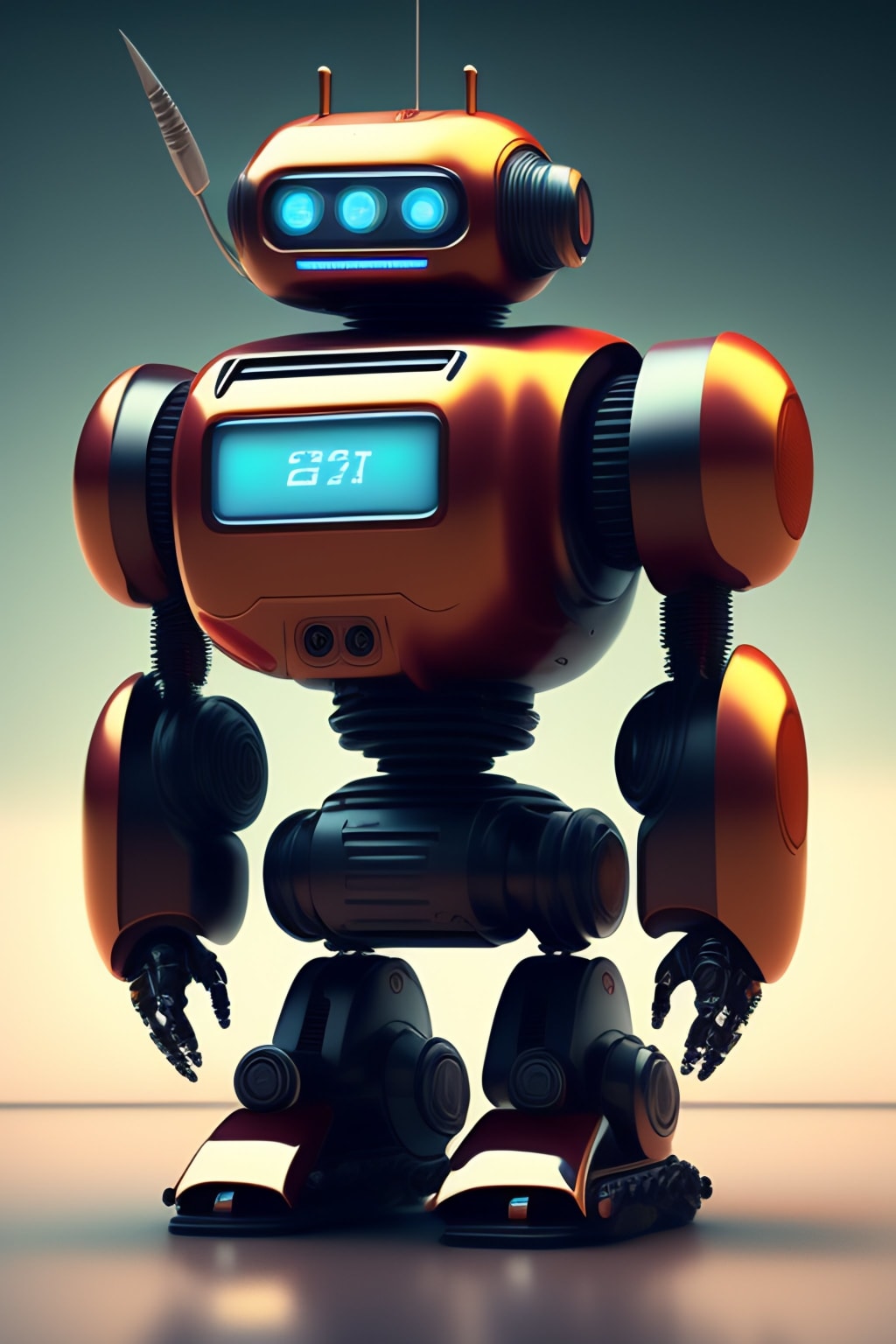
Artificial intelligence commonly referred to as AI is a rapidly advancing field that has the potential to revolutionize various industries and aspects of our everyday lives. AI refers to the development of intelligent machines that can perform tasks that would typically require human intelligence. These tasks include problem-solving learning decision-making language understanding and more.
The concept of AI dates back to ancient times with the idea of artificial beings and intelligent agents being present in mythologies and legends. However the modern development of AI as we know it today began in the 1950s. Since then AI has made significant strides spurred on by advances in computing power machine learning algorithms and big data availability.
One of the main applications of AI is in the field of automation. AI-powered machines and robots can perform repetitive and mundane tasks with precision and efficiency freeing up humans to focus on more complex and creative work. For example in manufacturing robots equipped with AI can assemble products at a faster rate and with fewer errors compared to human workers. This not only increases productivity but also reduces costs for businesses.
Another significant application of AI is in the healthcare industry. AI-powered systems can analyze vast amounts of patient data including medical records symptoms and genetic information to provide accurate diagnoses and treatment recommendations. This can lead to faster and more accurate diagnoses personalized treatment plans and improved patient outcomes. AI can also assist in drug discovery and development speeding up the process and potentially leading to the discovery of new life-saving medications.
AI has also found its way into our everyday lives through virtual assistants like Siri Alexa and Google Assistant. These AI-powered assistants can understand natural language commands and perform tasks for users such as scheduling appointments setting reminders answering questions and playing music. As AI technology continues to advance virtual assistants are becoming more intelligent and capable of understanding context and providing personalized recommendations.
One of the most significant advantages of AI also include its ability to perform tasks with speed and accuracy. AI-powered systems can process large amounts of data much faster than humans can which can lead to improved efficiency and productivity in various industries. For example in healthcare AI can help in diagnosing patients by analyzing medical images and identifying patterns that can be missed by human doctors.
Another advantage of AI is its ability to learn and adapt. Machine learning algorithms allow AI systems to continuously learn from the data they receive enabling them to improve their performance and accuracy over time. This can be particularly useful in areas such as customer service where AI chatbots can learn from customer interactions and provide more personalized and effective responses.
However AI is not without its challenges and concerns. One major concern is the potential for job displacement as AI-powered machines take over tasks traditionally performed by humans. While there is some truth to this concern AI also has the potential to create new job opportunities in fields that cater to the development maintenance and implementation of AI systems.
Ethical considerations are also important when it comes to AI. As AI becomes more integrated into society questions surrounding privacy data protection and bias need to be addressed. AI algorithms are only as good as the data they are trained on and if that data is biased or incomplete it can lead to discriminatory outcomes. It is crucial for developers and policymakers to ensure that AI is developed and used ethically and responsibly.
In conclusion AI holds immense potential to revolutionize various industries and aspects of our daily lives. From automation to healthcare and virtual assistants AI-powered systems are already making a significant impact. However as AI continues to advance it is essential to address concerns surrounding job displacement and ethical considerations. By doing so we can maximize the benefits of AI while ensuring its responsible and sustainable development.
About the Creator
Unlocking the Heart’s Blueprint: How Genetic Testing Is Reshaping Cardiovascular Diagnosis
In recent years, the landscape of cardiovascular medicine has undergone a profound transformation, primarily fueled by rapid advancements in genetic science. While lifestyle, diet, and environmental exposures remain fundamental contributors to heart disease, it has become increasingly clear that genetics plays a critical role in the onset and progression of many cardiovascular conditions. With the advent of accessible genetic testing, physicians are now better equipped than ever to diagnose, manage, and even prevent complex heart conditions based on an individual’s genetic blueprint.
By Nishi Patel4 days ago in Education
How to Implement Digital Signage in Your Pharmacy
I'll never forget the first time I walked into a pharmacy with digital signage displays showing real-time prescription wait times and health tips. As someone who'd spent years waiting in line wondering how much longer I'd be there, seeing that information displayed so clearly felt revolutionary. That experience stuck with me, and when I later helped my cousin implement digital signage in her independent pharmacy, I realized just how transformative this technology could be for both pharmacy owners and customers.
By Jerry Kane 3 days ago in Education




Comments
There are no comments for this story
Be the first to respond and start the conversation.