
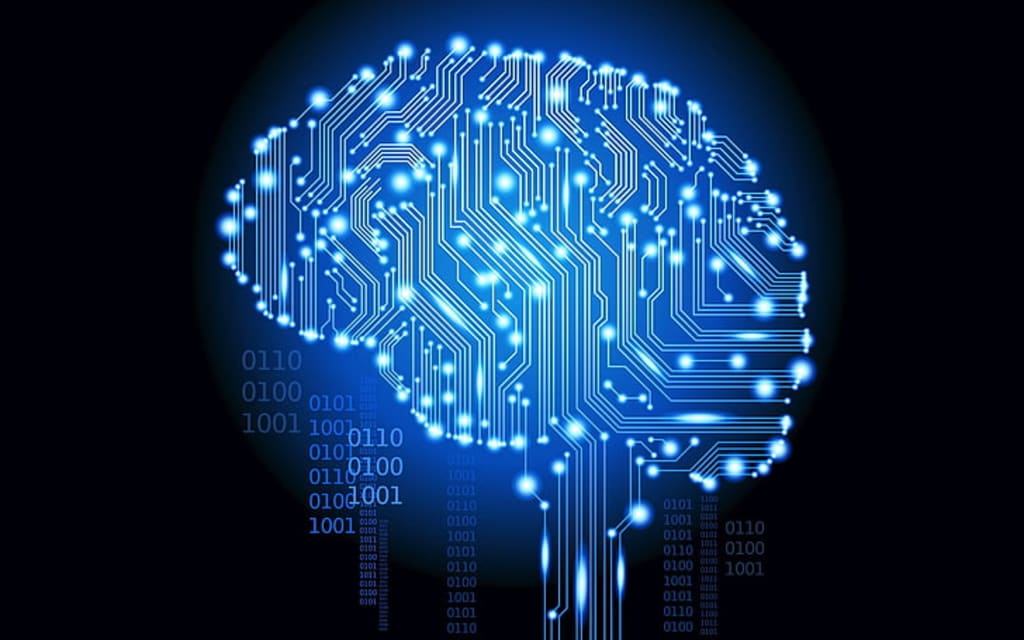
Artificial Intelligence (AI) refers to the ability of machines and computer systems to perform tasks that would normally require human intelligence, such as learning, reasoning, problem-solving, and decision making. AI technologies include machine learning, natural language processing, computer vision, and robotics.
The field of AI has advanced rapidly in recent years, with the development of powerful algorithms, data analytics, and hardware systems that can process vast amounts of information and learn from it. AI has a wide range of applications across industries, including healthcare, finance, transportation, and manufacturing.
Some examples of AI in use today include:
Virtual assistants like Siri and Alexa, which use natural language processing to understand and respond to user requests.
Self-driving cars, which use computer vision and machine learning to navigate roads and avoid obstacles.
Fraud detection systems, which use machine learning algorithms to detect and prevent fraudulent activity in financial transactions.
Medical diagnosis tools, which use machine learning to analyze patient data and provide diagnostic insights.
While AI has the potential to revolutionize many industries and improve our lives in countless ways, it also poses some challenges and risks. These include issues related to ethics, transparency, and bias in decision-making, as well as concerns about job displacement and the impact of AI on human society. As AI continues to advance, it is important to address these issues and ensure that the technology is developed and deployed in a responsible and ethical manner.
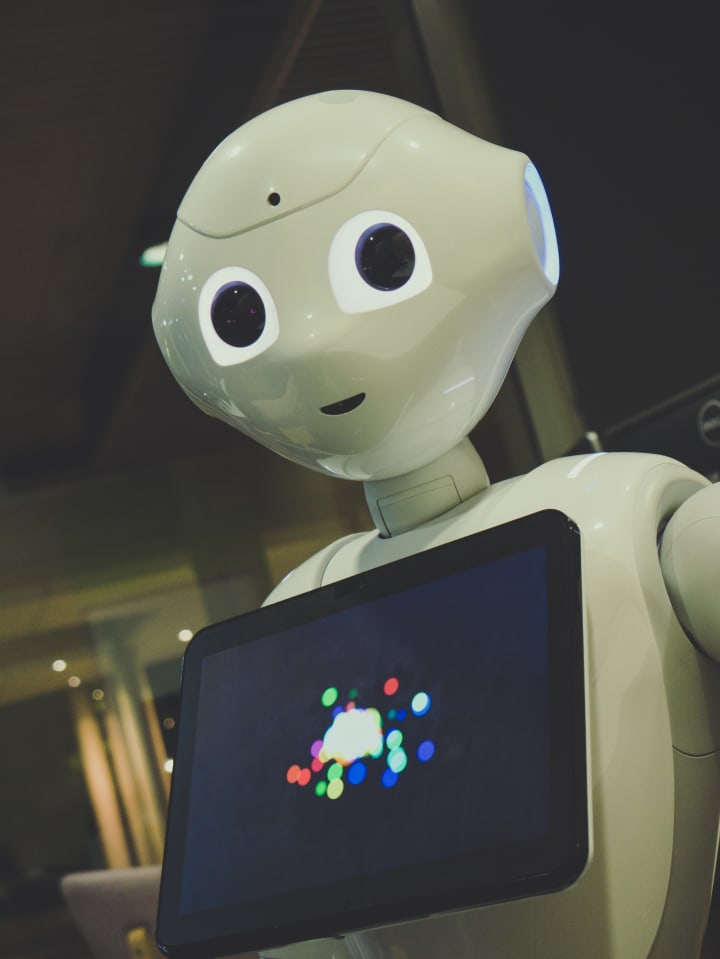
Uses of artificial inteligence
Artificial Intelligence (AI) has a wide range of uses across many industries and applications. Here are some examples of how AI is being used today:
Healthcare: AI is used in healthcare to develop personalized treatment plans, predict patient outcomes, and detect diseases earlier. It is also being used to develop medical imaging analysis tools that can detect and diagnose medical conditions.
Finance: AI is used in finance to detect fraud, automate financial processes, and provide personalized financial advice to customers.
Transportation: Self-driving cars and other autonomous vehicles use AI technologies like computer vision and machine learning to navigate roads, avoid obstacles, and make decisions.
Retail: AI is used in retail to analyze customer data and provide personalized product recommendations. It is also used in inventory management and supply chain optimization.
Manufacturing: AI is used in manufacturing to optimize production processes, detect quality issues, and predict equipment failures.
Education: AI is used in education to personalize learning, provide intelligent tutoring systems, and automate administrative tasks.
Natural Language Processing: AI-powered chatbots and virtual assistants use natural language processing to understand and respond to user requests, and also in sentiment analysis and language translation.
Entertainment: AI is used in entertainment to create personalized content recommendations for streaming services and to enhance gaming experiences.
These are just a few examples of how AI is being used today. As the technology continues to advance, we can expect to see even more applications in a wide range of industries and areas of life.
How it helps in daily life

Artificial Intelligence (AI) is already being used in many ways to help people in their daily lives. Here are some examples of how AI is being used to improve daily life:
Personalized recommendations: AI-powered algorithms are used to provide personalized recommendations for movies, TV shows, books, and music based on individual preferences.
Smart assistants: Voice-activated smart assistants like Amazon's Alexa and Google Home use natural language processing and AI to help people with tasks like setting reminders, making calls, and controlling smart home devices.
Navigation: GPS navigation systems use AI to provide real-time traffic updates and optimize travel routes.
Health and wellness: AI-powered wearables and fitness trackers can track physical activity, monitor vital signs, and provide feedback on sleep patterns and diet.
Customer service: AI-powered chatbots can provide customer support and assistance with common inquiries and issues.
Smart homes: AI-powered smart home systems can automatically adjust temperature, lighting, and other settings based on user preferences.
Financial management: AI-powered financial apps can help people manage their finances by providing budgeting tools, investment advice, and bill payment reminders.
Personalized advertising: AI is used to analyze user data and provide personalized advertising that is more relevant to individual preferences.
These are just a few examples of how AI is helping to improve daily life. As the technology continues to develop, we can expect to see even more applications that make our lives easier, more convenient, and more efficient.
About the Creator
Tamil Paiyan
Hi guys iam from kanniyakumari,Iam show you how much kanniyakumari is beautiful
Keep reading
More stories from Tamil Paiyan and writers in Education and other communities.
Reason to Visit Kaniyakumari India
Reason to Visit Kaniyakumari India Kanyakumari, also known as Cape Comorin, is a beautiful coastal town located at the southernmost tip of India, where the Arabian Sea, the Bay of Bengal, and the Indian Ocean meet. Here are five reasons why people visit Kanyakumari:
By Tamil Paiyan3 years ago in Education
How the Sun Generates Energy: The Complete Guide to Solar Power Production
What Is the Source of the Sun’s Energy? The Sun generates energy through a process called nuclear fusion. Unlike Earth-based power plants that burn fossil fuels, the Sun does not rely on chemical reactions. Instead, it uses nuclear reactions that occur deep inside its core.
By shahkar jalal8 days ago in Education
How Astronomers Study the Sun Safely: Methods, Tools, and Technologies
Why Studying the Sun Is Important The Sun is the closest star to Earth, making it an ideal laboratory for studying stellar physics. By observing the Sun, astronomers learn about processes that occur in other stars across the universe.
By shahkar jalal5 days ago in Education




Comments
There are no comments for this story
Be the first to respond and start the conversation.