
Anti-Nutritional Compounds in Cereals
Antinutrients in Cereals:


Cereals are very healthy and nutritious due to the presence of fibers, carbohydrates, proteins, vitamins, and minerals. In Addition to these nutrients, they contain substances called antinutrients. Antinutrients prevent the digestion of nutrients. These reduce digestibility and hinder the absorption of micro and macronutrients.
Major anti-nutritional factors, found in cereals and grains include saponins, tannins, phytic acid, gossypol, lectins, protease/amylase inhibitor, and goitrogens. Trypsin and phytates are inhibitors present in legumes and cereals, reducing the digestibility of proteins and minerals in the body. Hence causing micronutrient malnutrition and mineral deficiencies leading to different diseases.
Therefore, efforts are made to reduce or eliminate these antinutrients for proper assimilation. i.e. Food processing techniques fermentation, de-branning, autoclaving, germination, malting, soaking, cooking, and extrusion can greatly reduce the number of antinutrients in cereal. Using these methods alone or in combination, it is possible to reduce the level of anti-nutrients in cereal commodities. Several anti-nutrients in cereals hinder the extrusion process and cooking process.
Saponins:
Saponins are non-volatile secondary metabolites found in cereal crops. Saponins are steroids or triterpenes having a sugar moiety in them. Triterpenoid saponins are usually found in legumes i.e. soybean, peanuts, chickpeas, beans, and lentils. Steroid saponins are generally present in food plants such as oats. Saponins show inhibitory activities for enzymes i.e. amylase, glucosidase, trypsin, and chymotrypsin causing indigestion-related health disorders.
These are not hydrolyzed by human digestive enzymes; therefore, gastrointestinal digestion can be severely affected. Hence saponins reduce the absorption of vitamins forming complexes with various sterols, which would interfere with sterol activity and its absorption in the intestine.
Phytates:
Phytic acid is the main antinutrient found in cereals and grains. It binds to minerals and forms a complex i.e. calcium, magnesium, iron, copper, and zinc thus hindering the absorption in the intestines and digestive system. Phytates are present in whole grain cereals and their derivatives. i.e. Wheat, Oats, Brans, and their products. Sequester minerals, mainly zinc and iron, thus act as thieves of minerals.
Previously phytates are considered harmful but a recent search shows that it is converted into inositol a source of Vitamin B. But proper treatments, i.e., soaking, roasting and autoclaving, etc., should be done to destroy its anti-nutrient capacity and enhance nutrient one.
Tannins:
These are phenolic compounds having a molecular weight greater than 500 Dalton. They have the ability to precipitate proteins. These are secondary compounds that are formed in the leaves bark and fruit of plants. They form reversible and irreversible tannin protein complexes that reduce the protein digestibility as well as absorption of essential amino acids. They are found in cereals i.e. sorghum and barley.
Research has shown that they accumulate mainly in the bran section of cereals and legumes. When ingested they form complexes with proteins, which lead to the inactivation of many digestive enzymes as well as decreased protein digestibility. Thus, dehulling and soaking seeds will leach down the tannins up to 60-90%. Hence increases the appearance, texture, and digestibility of the grain.
Lectins:
These are sugar-binding proteins, which easily attach to RBCs and cause agglutination. Lectins are found in cereals and legumes and are known as glycoproteins. The transportation functions of the enterocyte would be affected by lectins. Lectins reduce nutrient absorption by binding to intestinal epithelial cells and damage the intestinal tract, increasing the bacterial population coming into contact with the bloodstream.
Lectins are found in beans, pulses, lentils, and other cereals. Hinders bioavailability of nutrients by action on digestive enzymes. Preliminary soaking and autoclaving before cooking would eliminate the lectin contents. Its consumption causes indigestibility, food poising, bloating, and gut leaky syndromes.
Protease and Amylase Inhibitors:
It inhibits the proteolytic enzymes. It can bind to the target proteins in reversible or irreversible both ways. Mostly present in cereals, legumes mainly soybean. Moist heat and Soaking for 24 hours are effective in destroying trypsin inhibitors. It will enhance the nutritional value of proteins. The main protease inhibitor is a trypsin inhibitor in soybean and other cereals that inhibits the digestion of proteins. In the gut the hinders digestion and absorption of proteins.
Amylase inhibitors will reduce the activity of amylase, the digestive enzyme required to break down dietary starches into absorbable glucose amylase inhibitors will hinder this process. Many plants and plant food including cereals and legumes contain amylase-inhibiting compounds. i.e. In white bean extract, inhibit the digestion of carbohydrates, so it may reduce the absorption of glucose in the body.
Strategies to reduce Anti-Nutrients:
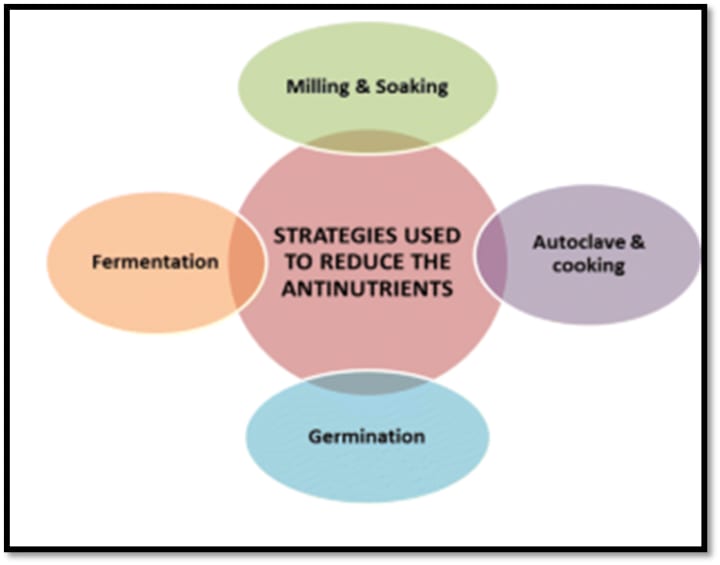
Various Strategies are applied according to the nature of antinutrients i.e. Milling, Autoclaving, Germination of seeds, fermentation, etc.
About the Creator
Muhammad Hassan Riaz
A passionate content creator weaving words and visuals to inspire, entertain, and spark meaningful connections. Join me on this creative journey!
Keep reading
More stories from writers in Education and other communities.
Why Laptop Privacy Screens Are Becoming Essential for Remote Workers
Remote work has transformed how and where people get their work done. Cafés, coworking spaces, shared offices, and even home environments are now common workplaces. While this flexibility has many advantages, it also introduces new challenges — especially when it comes to privacy, focus, and long hours in front of a screen.
By Bahati Mulishiabout 6 hours ago in Education
How Poor Healthcare Program Planning Affects Revenue and ROI
Effective program planning is essential for financial stability and long-term success in healthcare organizations. When planning is comprehensive, data-driven, and aligned with organizational goals, it supports efficient service delivery, strong patient outcomes, and healthy financial performance. However, when planning is weak or fragmented, the consequences extend far beyond operational inefficiencies. Poor healthcare program planning directly affects revenue generation, resource utilization, and return on investment, ultimately weakening the organization’s ability to grow and compete. Understanding how these financial impacts occur is crucial for leaders seeking to build programs that deliver measurable value.
By Evyatar Nitzany4 days ago in Education
Living in SillyVille, U.S.A.
U.S. President Donald Trump speaks at a ceremony held to dedicate a 4-mile stretch of road from West Palm Beach Airport to his Mar-a-Lago estate to be named as 'President Donald J. Trump Boulevard', at the Mar-a-Lago estate in Palm Beach, Florida, U.S., January 16, 2026. REUTERS/Kevin Lamarque.
By Novel Allen6 days ago in Poets


Comments
There are no comments for this story
Be the first to respond and start the conversation.