
An argument for INTOLERANCE
Cultural utility of intolerance
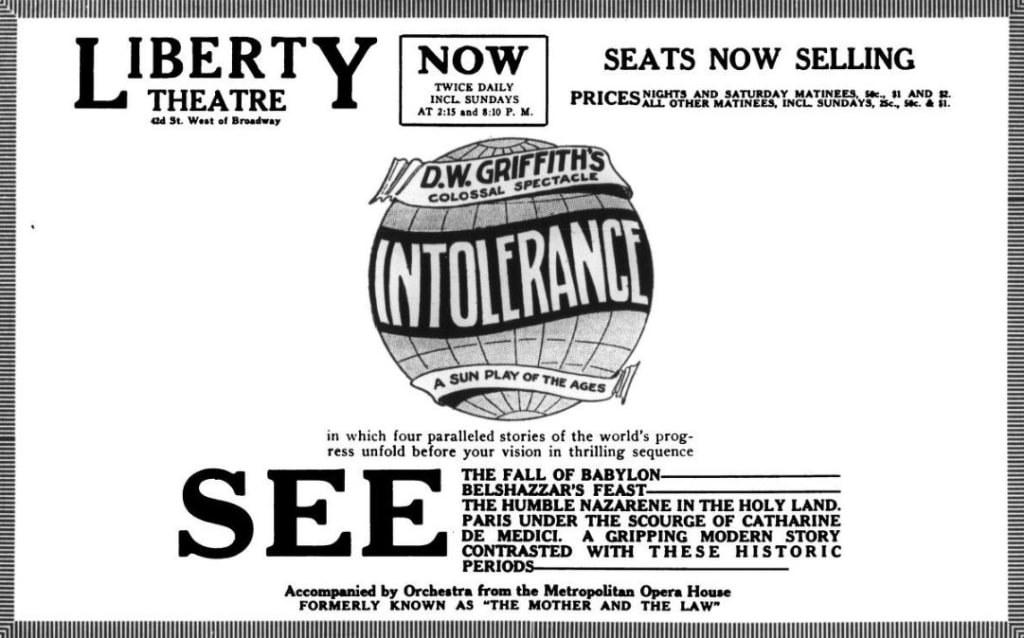
INTOLERANCE By: ZAHIRA
The necessity of tolerance is as clear as day. When humans congregate and form societies, it's inevitable that they'll bring along their own unique perspectives on reality—sometimes, even their own separate realities. So, for these bundles of eccentricity we call humans to coexist in a somewhat functional manner, tolerance is key. It's about learning to overlook and accept the clashes and disparities in our daily interactions and fundamental beliefs, paving the way for a somewhat competent community.
Intolerance, according to the Oxford Dictionary, is the stubborn refusal to entertain ideas or behaviors different from our own. In everyday life, it manifests as fiery arguments, disdain for others based on their traits or viewpoints, or unfairly painting something with the brush of our own biases. Intolerant folks are often sticklers for their own rules and expect everyone else to toe the line, earning them the title of fanatics with a side of psychological rigidity. But hey, even though intolerance gets a bad rap, it serves some important functions—both in terms of evolution and ethics.
Evolutionarily, societies are made up of diverse individuals with varying goals, ideologies, and beliefs. Coexistence without conflict isn't always feasible, even with tolerance in play. Sometimes, tolerance merely postpones inevitable clashes by quelling outright violence. However, once dissenting minorities are removed, societies become more homogeneous. And while homogeneity might breed intolerance, it also reduces large-scale conflicts, simplifies interactions with fixed norms, and expedites decision-making, usually in favor of the majority.
Ethically speaking, intolerance of deviant or harmful behaviors can contribute to a more virtuous society, discouraging practices like drinking and driving, domestic violence, or racism. The broken window theory suggests that visible signs of disorder promote further disorder, emphasizing the need for staunch intolerance of any behavior leading to civil unrest or violence.
Enter Michel Foucault's Prison Information Group (GIP), which aimed to expose and combat intolerable conditions within French prisons. Foucault advocated for an "active intolerance" of intolerable realities by amplifying the voices of prisoners. He asserted that to maintain a tolerant society, it must retain the right to be intolerant of intolerance, a sentiment echoed by Karl Popper's paradox of tolerance: "If a society is tolerant without limit, its ability to be tolerant is eventually seized or destroyed by the intolerant."
Psychological theories further elucidate the relationship between tolerance and intolerance. Vygotsky's theory of social learning highlights the role of self-regulation in fitting into egalitarian societies, yet warns of the potential for heightened stereotypes over time. Trying to be tolerant by suppressing intolerant or stereotypic thoughts can sometimes backfire. As people trying mindlessly to be tolerance, implicitly and explicitly demonstrate attitudes and behaviors consistent with heightened stereotype activation.
Similarly, Terror Management Theory (TMT), proposed by Greenberg, Solomon, and Pyszczynski, explains how humans cope with death anxiety through psychological mechanisms like symbolic and concrete immortality. Beliefs in an afterlife or aligning with enduring concepts help mitigate the fear of mortality. However, studies show that reminders of death can heighten intolerance, as people become more defensive of their belief systems and reject opposing views.
The best defense is offence. Mortality salience along with death anxiety is the motivation for a set of actions that individuals employ to protect themselves or their group from a threat. People often turn to zealous ideals to distract from the ominous threat of death. The zeal may take the form of value convictions, communal commitment, closed-minded certainty, angry nationalism, religious fervor, or political extremism; all this alludes to the possible reasoning of intolerance.
In conclusion, while intolerance has historically fueled discrimination and violence, it's not solely a negative force. Tolerance of harmful practices is itself harmful. However, discerning where to draw the line can be tricky, given our biases and predispositions. It's crucial to engage in objective deliberation to identify beliefs and practices detrimental to societal well-being. After all, a truly tolerant society knows when and where to say "enough is enough."
About the Creator
Keep reading
More stories from writers in Education and other communities.
Creating a Higher Education Legacy in Monterey
Not Known for Colleges Picturesque Monterey, California is not known as a college town. Instead, its recent fame was that of being the old stomping grounds for John Steinbeck and the current location of a world-class marine aquarium.
By Dean Traylor4 days ago in Education
🅼🅸🅳🅽🅸🅶🅷🆃 🆂🅽🅰🅲🅺🆂
"It's 10 in Tuscon! We all know what that means... It's Time for Midnight Snacks with your man, Gerald Gee! Ready to spend the night together? Me too! I'm full of snacks and can't wait to regurgitate them all back into your hungry ears. Crack a brew! Pop some corn! Anything to get ready for one hell of a show where the talk maybe cheap but the words cut deep...
By Lamar Wiggins8 days ago in Fiction



Comments
There are no comments for this story
Be the first to respond and start the conversation.