
American Foods That Are Banned Around the World
From artificial additives to hormone-trehttps://shopping-feedback.today/signoutated meats, discover why some American foods are forbidden in countries around the globe due to health, safety, and ethical concerns.

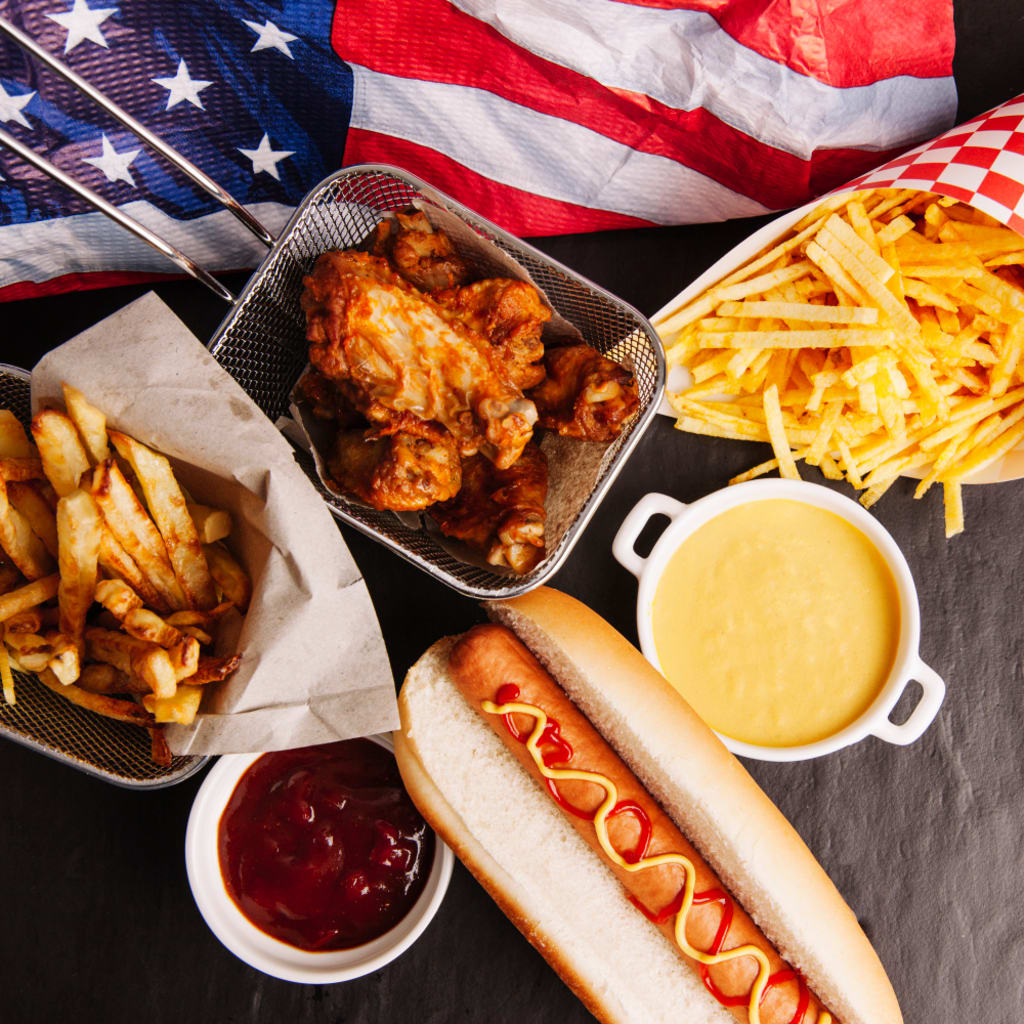
The United States is known for its diverse and innovative food culture, from fast food to processed snacks and genetically engineered produce. However, not all American foods are welcomed abroad. In fact, several American staples are banned in other countries due to health concerns, environmental impact, or differences in food safety regulations. This article explores some of the most prominent American foods that are restricted or outright banned in countries around the world—and the reasons behind those decisions.
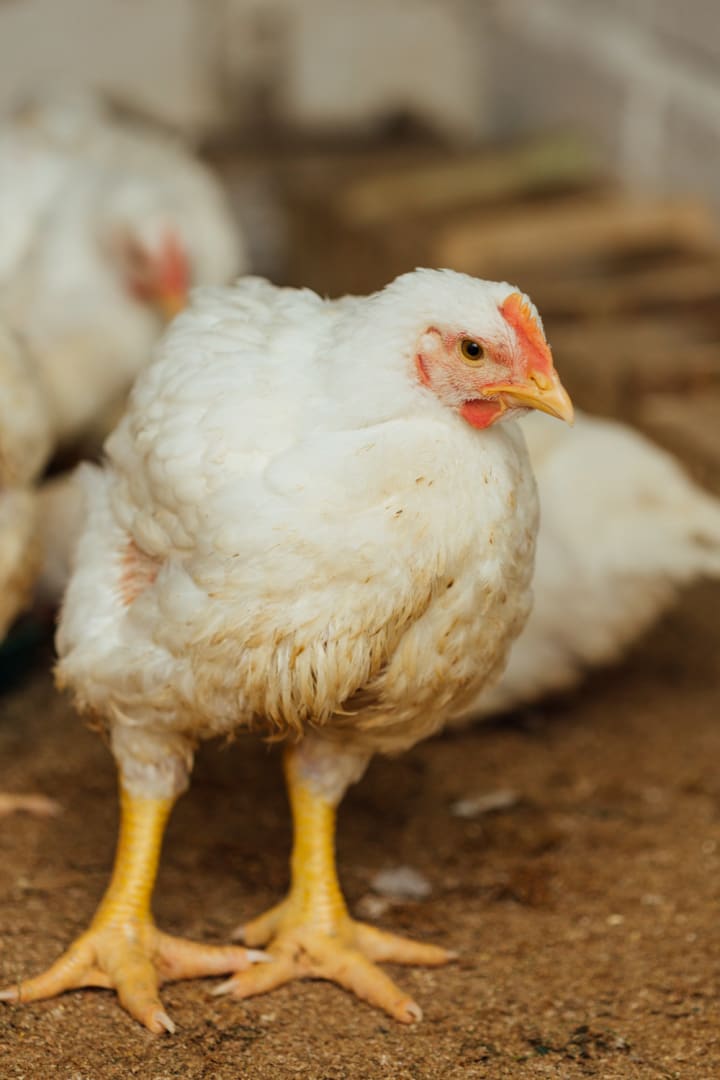
1. Chlorine-Washed Chicken
Where it’s banned: European Union (EU), United Kingdom
One of the most controversial food practices in the U.S. is the use of chlorine or other antimicrobial rinses to clean chicken. This process is considered safe by the U.S. Department of Agriculture (USDA) and is intended to kill bacteria like salmonella and E. coli. However, the European Union has banned chlorine-washed chicken since 1997, citing concerns that the practice could allow poor hygiene standards during farming, with the chemical rinse used as a substitute for proper sanitation throughout the supply chain. The UK has also upheld this ban post-Brexit.
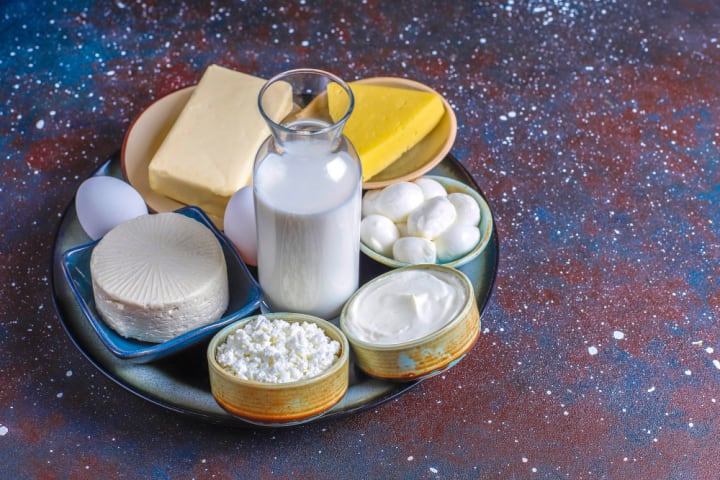
2. Dairy Products Treated with rBGH Where it’s banned: European Union, Canada, Australia, Japan
Recombinant bovine growth hormone (rBGH or rBST) is a synthetic hormone used in the U.S. to increase milk production in cows. While legal and widespread in America, it has been banned in the EU, Canada, and other countries over animal welfare and human health concerns. Some studies have suggested that milk from rBGH-treated cows contains elevated levels of insulin-like growth factor 1 (IGF-1), which may be linked to increased cancer risk. Due to these concerns, many American dairy products are not sold overseas.
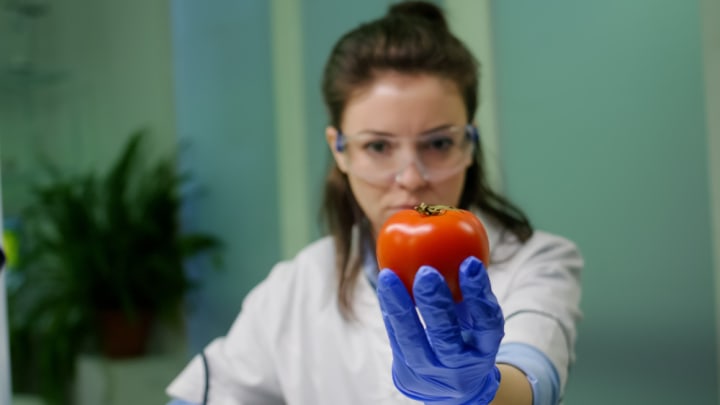
3. Genetically Modified (GMO) Foods
Where it’s banned or restricted: European Union, Russia, Turkey, Saudi Arabia
The U.S. leads the world in the production of genetically modified crops, such as soybeans, corn, and canola. While the FDA considers GMOs safe, other countries take a more cautious approach. In the EU, GMOs are tightly regulated, and many countries within the bloc have opted out of cultivation altogether. Russia has banned GMO cultivation and importation, and countries like Saudi Arabia and Turkey have imposed restrictions on GMO ingredients. Concerns include potential environmental damage, long-term health effects, and a lack of transparency in food labeling.
4. Artificial Food Dyes (e.g., Yellow 5, Red 40)
Where it’s banned or restricted: European Union, Norway, Austria
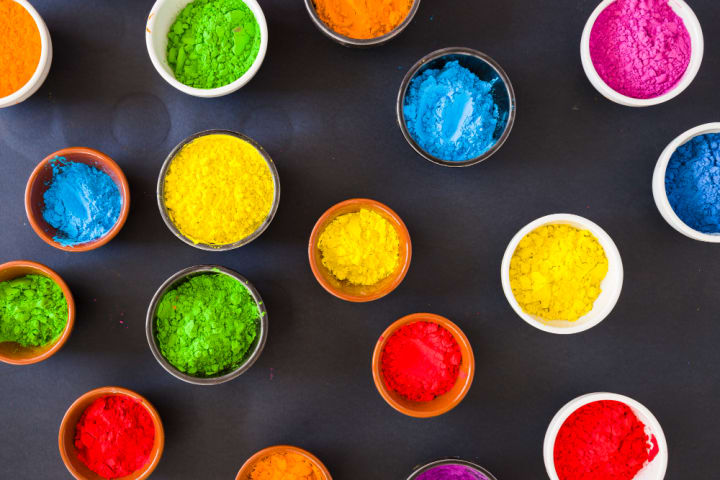
Artificial food dyes are prevalent in American cereals, candies, and beverages. Some of the most commonly used dyes—like Yellow 5, Yellow 6, and Red 40—have been linked to hyperactivity in children, allergic reactions, and potential carcinogenic effects. The EU allows some artificial dyes but requires warning labels, which has led many European manufacturers to replace them with natural alternatives. Norway and Austria have banned certain synthetic dyes outright. Despite these concerns, these additives remain widely used in the U.S., where warning labels are not mandatory.
5. Potassium Bromate (Used in Bread and Baked Goods)
Where it’s banned: European Union, Canada, Brazil, China
Potassium bromate is a flour improver used in some U.S. bread and baked goods to increase volume and elasticity. However, it has been classified as a potential carcinogen by the International Agency for Research on Cancer (IARC). The chemical has been banned in the EU, Canada, Brazil, and other nations due to concerns that trace amounts can remain in the final product and pose a cancer risk. While some American bakeries have voluntarily stopped using it, it’s still legal and present in many products on U.S. grocery shelves.

6. Brominated Vegetable Oil (BVO)
Japan, India, and the European Union all prohibit it. Brominated vegetable oil is used in some citrus-flavored soft drinks and sports beverages to help emulsify the ingredients and prevent separation. BVO contains bromine, a chemical also used in flame retardants, and has been linked to negative health effects including neurological issues, hormone disruption, and skin problems. Due to these risks, BVO has been banned in the EU, Japan, and India. In response to public pressure, some U.S. companies have reformulated their drinks, but BVO is still legal in the U.S.
7. Olestra (Artificial Fat Substitute)
Where it’s banned: Canada, European Union
Olestra, a fat substitute found in some American snack foods like fat-free potato chips, was developed to mimic the taste of fat without the calories. However, it can cause gastrointestinal distress, including cramping and diarrhea, and it also inhibits the body’s absorption of fat-soluble vitamins (A, D, E, and K). Due to these side effects, the EU and Canada have banned its use. In the U.S., the FDA still permits olestra, although it has fallen out of favor with consumers.
8. Beef and pork treated with ractopamine Where it’s banned: European Union, China, Russia
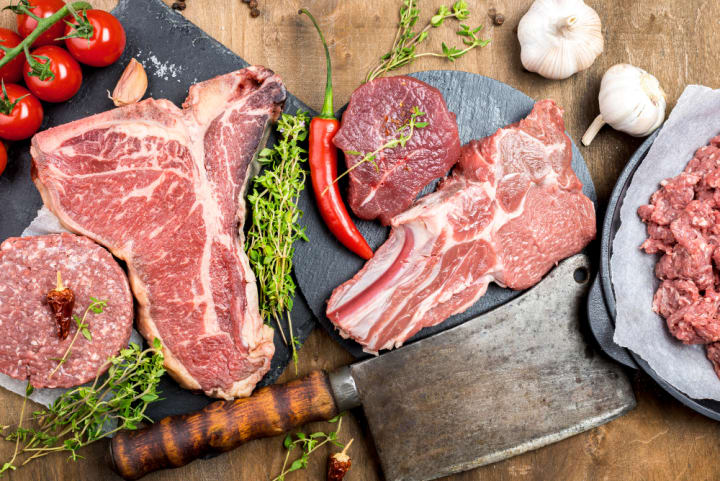
Ractopamine is a feed additive used to promote leanness in pigs and cattle in the U.S. Though approved by the FDA, it has been banned in over 160 countries due to health concerns. Studies have shown that ractopamine residues can remain in meat and may affect cardiovascular health and behavior in humans. The EU, China, and Russia have all prohibited its use, and international meat producers often keep their supply chains ractopamine-free to meet export requirements.

9. Azodicarbonamide (ADA)
Where it’s banned: European Union, Australia, Singapore
ADA is a chemical used to bleach flour and improve dough texture in products like bread and buns, most infamously in fast food. It’s also used in the production of plastics and foamed products like yoga mats—earning it the nickname “the yoga mat chemical.” The EU and Australia have banned its use in food due to links to respiratory issues and cancer in animal studies. While ADA is still permitted in U.S. foods, public backlash has prompted some major brands to remove it voluntarily.
10. Farm-Raised Salmon (With Artificial Coloring)
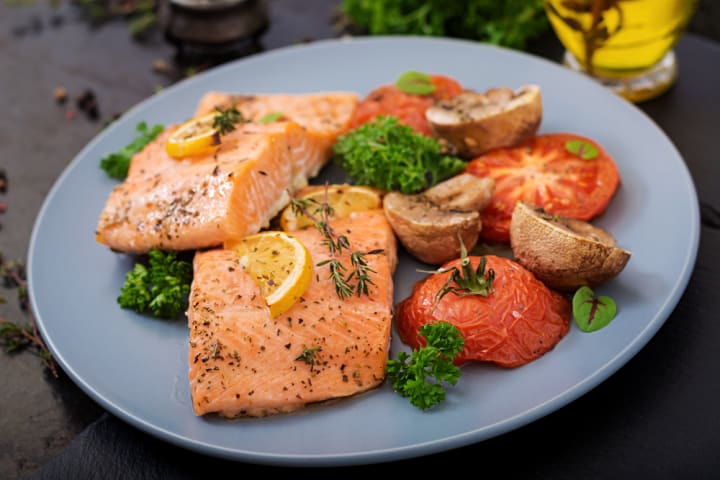
Where it is prohibited or restricted: New Zealand, Australia In the U.S., much of the salmon available in supermarkets is farm-raised and colored with synthetic astaxanthin to give it the pink-orange hue consumers expect. Without the dye, the flesh of farmed salmon is grayish. Australia and New Zealand have strict rules on food additives and labeling, and farmed salmon with synthetic coloring is either banned or heavily regulated. Critics argue that these dyes may accumulate in human tissues and have unknown long-term effects.
Conclusion
The banning of certain American foods around the world reflects a fundamental difference in how nations approach food safety and public health. While the U.S. tends to prioritize industry flexibility and presumes safety until harm is proven, many other countries adopt a precautionary principle—banning additives and practices unless their safety is conclusively demonstrated.
For travelers, expats, and globally minded consumers, these international bans offer a window into the complexities of food regulation and a reminder to read ingredient labels carefully. As awareness grows, even U.S. consumers are demanding more transparency and healthier alternatives, prompting some companies to reformulate products not just for international markets, but for American shelves as well.
About the Creator
What Are Snapchat Planets and How Do They Work
Introduction to Snapchat Planets Snapchat planets are a visual feature that helps users understand how interaction works inside the Snapchat app. Many users notice planets next to friend profiles and feel curious about their meaning. Snapchat planets are designed to represent digital interaction levels in a simple and visual way rather than using numbers or charts.
By AWAIS TARIQ7 days ago in Education
Top 10 SEO Experts In Pakistan In 2026
Introduction Search optimization in 2026 no longer revolves around keywords or isolated ranking tactics. Google’s AI Overviews, entity-based indexing, and answer-first systems have changed how visibility is earned. Search engines now evaluate meaning, credibility, and contextual authority rather than mechanical signals.
By Sajid Ali Shar2 days ago in Education


Comments
There are no comments for this story
Be the first to respond and start the conversation.