
AI Writing Assistant: Revolutionizing Content Creation
Introduction


In today’s fast-paced digital world, the demand for high-quality content is at an all-time high. Businesses, educators, and professionals are constantly seeking ways to communicate effectively and efficiently. Enter AI writing assistants—a groundbreaking innovation that is transforming the way we create, edit, and refine text. This article delves deep into the concept of AI writing assistants, their features, benefits, and how they are reshaping the content creation landscape.
What is an AI Writing Assistant?
An AI writing assistant is a software tool powered by artificial intelligence that helps users create written content more efficiently. These tools are designed to aid in tasks such as grammar correction, sentence structuring, content generation, and even tone adjustments. By leveraging advanced machine learning algorithms and natural language processing (NLP), AI writing assistants can understand and mimic human language, making them an invaluable resource for writers.
Core Features of AI Writing Assistants
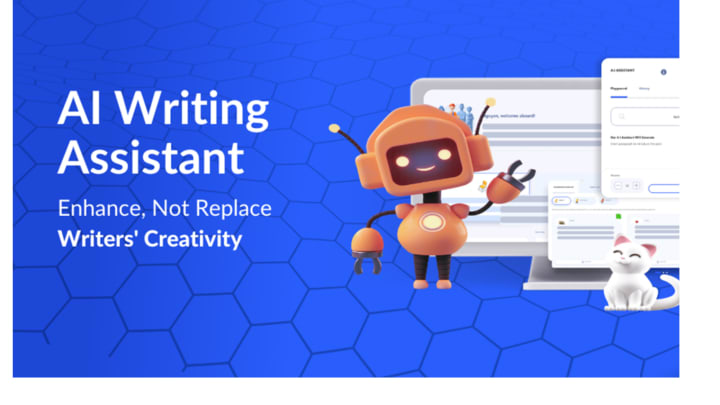
AI writing assistants are equipped with a variety of features that cater to diverse writing needs. Here are some of their standout functionalities:
Grammar and Spell Checking: These grammar and spell checking tools detect and correct grammatical errors, typos, and punctuation mistakes, ensuring polished and professional output.
Content Suggestions: AI-powered tools offer recommendations to improve sentence structure, word choice, and overall readability.
Plagiarism Detection: Many writing assistants come with built-in plagiarism checkers, ensuring content originality.
Tone and Style Adjustments: Advanced assistants can analyze the tone of your writing and suggest changes to match your intended audience, whether formal, casual, or persuasive.
Content Generation: Some AI writing assistants can create entire drafts, blog posts, or marketing copies based on a brief prompt or set of instructions.
Multilingual Support: These tools often support multiple languages, making them accessible to a global audience.
Keyword Optimization: For SEO-focused content, AI writing assistants can suggest relevant keywords and help optimize text to improve search engine rankings.
The Benefits of Using an AI Writing Assistant

The rise of AI writing assistants is not without reason. Their adoption is driven by the significant benefits they offer:
Time Efficiency: Writing and editing can be time-consuming. AI tools streamline these processes, enabling users to produce quality content in a fraction of the time.
Enhanced Productivity: By automating repetitive tasks like proofreading and formatting, writers can focus on creativity and strategy.
Consistency and Accuracy: AI writing assistants ensure consistent tone and style throughout a document while minimizing human errors.
Cost-Effective: Hiring professional editors or content creators can be expensive. AI tools offer a budget-friendly alternative for businesses and individuals.
Accessibility: These tools are user-friendly and cater to a wide range of users, from seasoned writers to non-native English speakers.
Applications of AI Writing Assistants

AI writing assistants are versatile and find applications across various domains:
Content Marketing: Marketers use these tools to create engaging blogs, social media posts, and email campaigns.
Academic Writing: Students and researchers benefit from grammar checks, citation suggestions, and plagiarism detection.
Business Communication: Professionals use AI tools for drafting emails, reports, and presentations.
Creative Writing: Authors and poets use AI assistants to overcome writer’s block and refine their manuscripts.
Customer Support: Companies leverage AI writing assistants to draft personalized responses and maintain a professional tone in communications.
Challenges and Limitations
While AI writing assistants are impressive, they are not without challenges:
Dependence on Technology: Over-reliance on AI tools can hinder the development of writing skills.
Contextual Errors: AI sometimes fails to grasp nuanced context, leading to awkward or inappropriate suggestions.
Creative Limitations: Although AI is advancing, it lacks the emotional depth and originality of human creativity.
Privacy Concerns: Users must be cautious about sharing sensitive information with AI platforms.
Cost for Premium Features: While many tools offer free versions, advanced features often come at a cost.
Choosing the Right AI Writing Assistant
With numerous options available, selecting the right AI writing assistant can be overwhelming. Here are some factors to consider:
Purpose: Identify your primary needs—whether it’s content creation, editing, or SEO optimization.
Ease of Use: Opt for tools with intuitive interfaces and user-friendly features.
Budget: Evaluate the pricing plans and determine whether the tool’s features justify its cost.
Integration: Ensure the tool integrates seamlessly with your existing platforms, such as Google Docs or WordPress.
Customer Support: Look for tools that offer robust customer support and regular updates.
The Future of AI Writing Assistants

As artificial intelligence continues to evolve, the capabilities of AI writing assistants are expected to expand further. Future developments may include:
Enhanced Creativity: AI tools may soon mimic human creativity more effectively, producing content that resonates emotionally.
Real-Time Collaboration: Advanced tools could allow multiple users to collaborate on a document simultaneously.
Voice Integration: Voice-activated writing assistants may become commonplace, streamlining the content creation process.
Industry-Specific Tools: Tailored solutions for sectors like healthcare, law, and finance could emerge.
Better Contextual Understanding: Improved algorithms will help AI tools grasp context more accurately, reducing errors.
Conclusion
AI writing assistants are undeniably transforming the way we create and refine content. With their ability to enhance productivity, improve accuracy, and save time, they have become indispensable tools for writers, businesses, and professionals. However, while these tools are powerful, they are not replacements for human creativity and judgment. By understanding their capabilities and limitations, users can harness the full potential of AI writing assistants and elevate their content creation process to new heights.
About the Creator
Keep reading
More stories from Knowledge War and writers in Education and other communities.
Case Study: EdTech Transformation: A New Era in Education
The nature of instruction and student learning has undergone a significant transformation due to the explosive growth of educational technology (EdTech) in recent decades. This shift is being driven by several significant factors, the most significant of which are the widespread use of mobile devices, artificial intelligence, and the internet. Teaching in the early 2000s was primarily done through traditional methods, with technology acting as an adjunct.
By Knowledge Warabout a year ago in Education
Healing the Hidden: Healthcare for the World’s Most Remote Populations
Across the globe, millions of people live in areas where access to healthcare is limited or nearly impossible. These communities, often tucked away in mountains, deserts, forests, or on distant islands, face challenges beyond the scope of ordinary medical care. Isolation, inadequate infrastructure, and shortages of trained medical professionals create a situation in which even basic health services are hard to obtain. Addressing these challenges requires creative solutions, collaboration, and a commitment to ensuring that no population is left behind.
By Baitulmaal4 days ago in Education




Comments
There are no comments for this story
Be the first to respond and start the conversation.