
AI Replacing Jobs: What You Need to Know About the Changing Workforce
Future of AI

Introduction to the Concept of AI Replacing Jobs
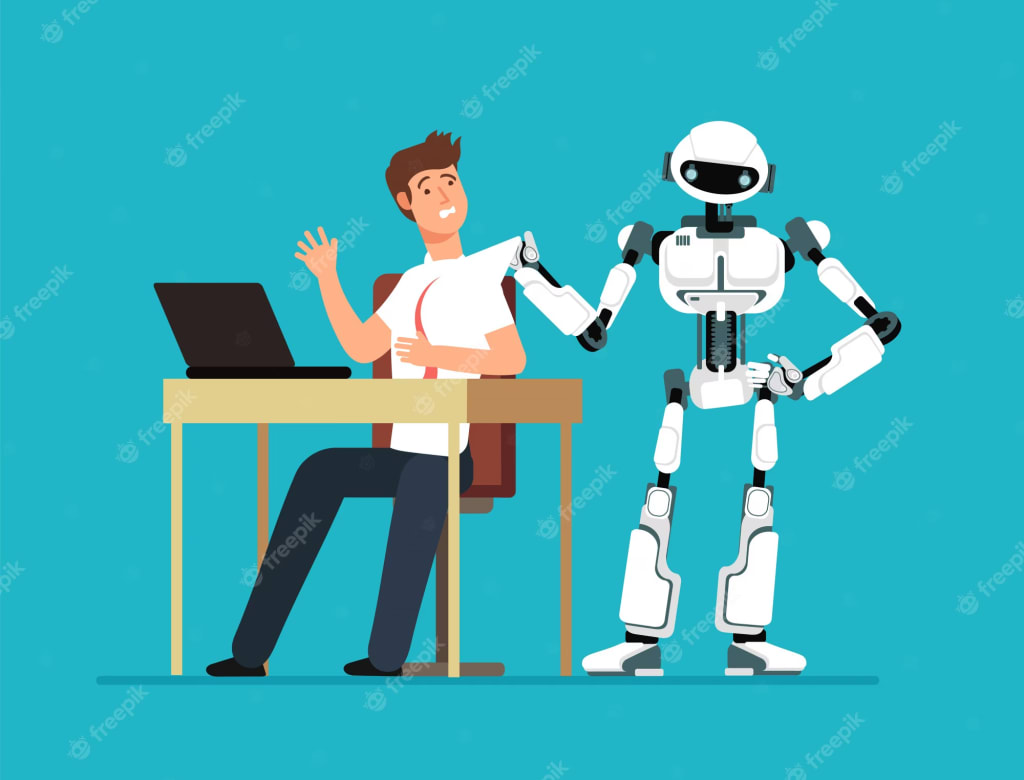
Artificial intelligence is a rapidly evolving technology that has the ability to perform tasks that traditionally required human intelligence. With the rise of AI, there is growing concern about job displacement and how it will impact the workforce. The fear is that AI will replace jobs, leaving many workers without employment.
While it is true that AI has the potential to replace some jobs, it is important to understand that it is not a new phenomenon. Throughout history, technology has replaced jobs, from the Industrial Revolution to the rise of computers. The difference now is the pace at which technology is advancing, and the types of jobs that are at risk of being replaced.
Discover the AI software that new and expert developers are excited to use!
Understanding the Impact of Artificial Intelligence on the Workforce
The impact of AI on the workforce is complex and multifaceted. On one hand, AI has the potential to improve productivity, increase efficiency, and create new job opportunities. On the other hand, it also has the potential to displace workers, particularly those in jobs that involve repetitive tasks.
According to a report by the McKinsey Global Institute, up to 375 million workers worldwide may need to switch occupational categories by 2030 due to automation. This represents about 14% of the global workforce. The report also found that while some jobs will be completely automated, others will be transformed, requiring workers to acquire new skills.
Historical Context of Technology Replacing Jobs
As mentioned earlier, technology has been replacing jobs throughout history. The Industrial Revolution saw the rise of machines that replaced manual labor, while the rise of computers in the 20th century saw the automation of many routine tasks. However, despite the displacement of jobs, new industries and job opportunities emerged, leading to overall job growth.
Discover the AI software that new and expert developers are excited to use!
The key difference now is the pace of technological change. The rate of change is much faster than in previous eras, and the types of jobs at risk of being replaced are different. In the past, it was mostly manual labor jobs that were replaced. Now, it is jobs in industries such as finance, healthcare, and transportation that are at risk.
The Current State of AI and its Impact on Job Displacement
The current state of AI is still in its infancy, but it is already having an impact on the job market. According to a report by the World Economic Forum, around 75 million jobs are expected to be displaced by 2022 in 20 major economies. However, the report also found that AI will create 133 million new jobs, resulting in a net gain of 58 million jobs.
It is important to note that the impact of AI on job displacement will vary by industry and occupation. Jobs that involve routine tasks, such as data entry and assembly line work, are more likely to be automated than those that require human interaction and creativity.
Jobs Most at Risk of Being Replaced by AI
While AI has the potential to impact a wide range of jobs, there are certain occupations that are more at risk than others. According to a report by the Brookings Institution, jobs that are highly susceptible to automation include those in transportation, production, and food service. Jobs that require a high level of creativity, social intelligence, or manual dexterity are less likely to be automated.
It is worth noting that even jobs that are not highly susceptible to automation may still be impacted by AI. For example, AI can assist radiologists in identifying tumors, but it cannot replace the human judgment and decision-making required to determine the best course of treatment.
New Job Opportunities Created by AI
While AI has the potential to displace jobs, it also has the potential to create new job opportunities. As AI technology advances, there will be a growing demand for workers with skills in areas such as data science, machine learning, and natural language processing.
AI will also create new job opportunities in industries such as healthcare, finance, and transportation. For example, AI can be used to develop personalized treatment plans for patients, detect fraud in financial transactions, and manage transportation logistics.
Discover the AI software that new and expert developers are excited to use!
Preparing for the Future of Work in an AI-Driven World
As AI continues to evolve, it is important for workers to prepare for the future of work in an AI-driven world. This means acquiring new skills, adapting to changing job roles, and embracing lifelong learning.
One way to prepare for the future is through education and training. Workers should seek out opportunities to learn new skills in areas such as data analysis, programming, and digital literacy. They should also be open to retraining and reskilling as their job roles evolve.
Another way to prepare for the future is through collaboration. Workers should work closely with AI technologies to identify ways in which they can work together to improve productivity and efficiency. By working alongside AI, workers can develop new skills and gain a better understanding of how the technology works.
The Role of Government and Businesses in Addressing Job Displacement
The impact of AI on the workforce is not something that can be addressed by individuals alone. Governments and businesses also have a role to play in addressing job displacement and creating new job opportunities.
Governments can invest in education and training programs to help workers acquire new skills and transition to new jobs. They can also provide financial support to workers who are displaced by automation.
Businesses can also play a role in creating new job opportunities. They can invest in AI technologies that will create new jobs, and they can work with governments and educational institutions to develop training programs for workers.
Discover the AI software that new and expert developers are excited to use!
Debunking Myths About AI and Job Replacement
There are many myths about AI and job replacement that need to be debunked. One of the biggest myths is that AI will replace all jobs, leaving workers without employment. The reality is that while AI will displace some jobs, it will also create new job opportunities.
Another myth is that workers will not be able to adapt to the changing job market. The reality is that workers have adapted to new technologies in the past, and they will continue to do so in the future. It is up to individuals, businesses, and governments to provide the support and resources needed to facilitate this transition.
Conclusion and Future Outlook
In conclusion, the impact of AI on the workforce is complex and multifaceted. While AI has the potential to displace some jobs, it also has the potential to create new job opportunities. As we prepare for the future of work in an AI-driven world, it is important for individuals, businesses, and governments to work together to address job displacement and create new job opportunities.
The future outlook for AI and the workforce is uncertain, but one thing is clear: the pace of technological change will only continue to accelerate. It is up to us to ensure that we are prepared for the changes ahead, and that we work together to create a future that benefits everyone.
CTA: Start preparing for the future of work today by acquiring new skills and staying up-to-date with the latest developments in AI technology.
Rate this article
About the Creator
Keep reading
More stories from Dale Dudley and writers in Education and other communities.
"Harnessing the Power of Your Smart Device: Unleashing Profit Potential in the Digital Age"
In today's fast-paced world, technology has made everything easier, including making money. With just a computer or smartphone and an internet connection, you can make money from the comfort of your own home. The possibilities are endless, and all you need is a little bit of time, effort, and creativity. In this article, we will explore 10 smart ways you can make money from home using just your computer or smartphone.
By Dale Dudley3 years ago in Trader
How Interest Rates Impact Real Estate Investments and Investor Decision Making
Interest rates impact real estate investments at every stage of the buying and owning process. From the first loan application to long term holding strategies, interest rates influence costs, demand, and overall returns. Many investors focus only on property price, but interest rates often play a larger role in success or failure. This article explains how interest rates affect real estate investments in a clear and simple way, using practical examples that are easy to understand.
By Manny Khoshbin4 days ago in Education
One Unchecked Box
"Republished" because it was the only way to add the embed for the newly recorded audio version of this story due to the Top Story badge. Plus it serves as a nice, informal announcement of the podcast's revival for another season (go subscribe!):
By Stephen A. Roddewig4 days ago in Fiction



Comments
There are no comments for this story
Be the first to respond and start the conversation.