
AI-Powered Surveillance: Safety or Privacy Threat?
The Hidden Cost of Smart Tech in 2025

Introduction
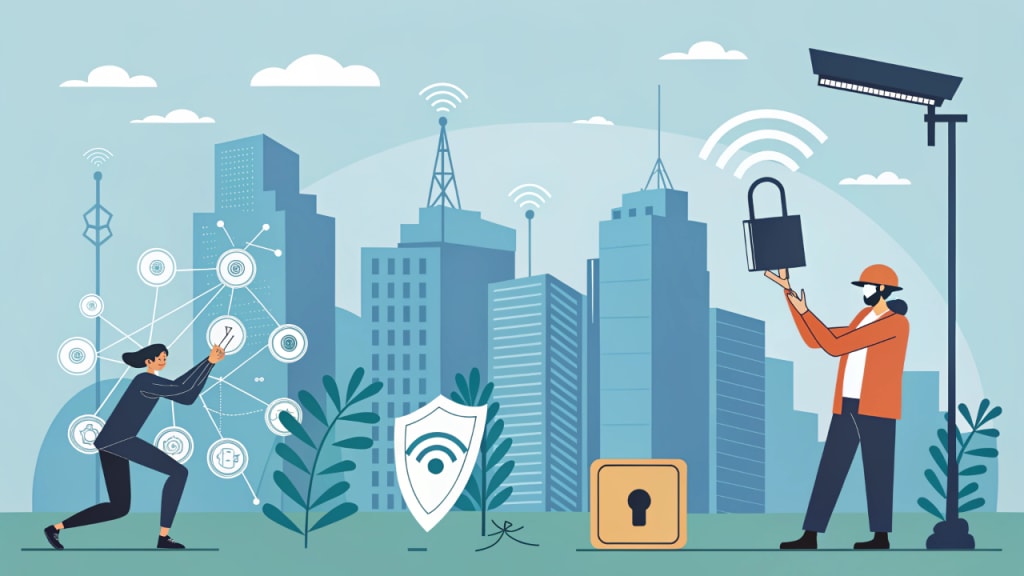
In today's rapidly advancing technological landscape, AI-powered surveillance has become an integral part of our lives, promising enhanced security and safety. However, this technological leap also brings significant concerns about privacy and ethical implications. As AI systems become more sophisticated, the debate intensifies over whether these technologies are truly safeguarding our security or infringing on our fundamental right to privacy。
The Benefits of AI-Powered Surveillance
Enhanced Security and Safety
AI-driven surveillance systems offer unparalleled efficiency and accuracy in monitoring and threat detection. These systems can analyze vast amounts of data in real-time, identifying anomalies and potential threats faster than human operators。For example, AI can detect unusual activities in crowded public spaces, recognize unauthorized access in restricted areas, and even predict criminal behavior based on historical data。This proactive approach to security has led to significant reductions in crime rates in some cities。
Improved Operational Efficiency
AI not only enhances security but also optimizes resource allocation. By automating decision-making processes, AI reduces the need for manual intervention, minimizing human error and bias。This leads to more efficient use of security personnel and resources, allowing for better coverage and response times。
The Privacy Concerns
Data Collection and Misuse
AI surveillance systems continuously collect and analyze vast amounts of personal data, raising significant privacy concerns。For instance, smart home devices equipped with AI can track users' daily routines and habits, potentially exposing sensitive information。Moreover, the potential for data breaches and misuse by third parties poses a significant risk to individuals' privacy。
Ethical Implications
The widespread use of AI in surveillance also raises ethical questions about the balance between public safety and individual privacy。Continuous monitoring can create a sense of distrust and discomfort among individuals, particularly in public spaces。Additionally, the potential for misuse by authoritarian regimes to stifle dissent and control populations is a growing concern。
Facial Recognition and Bias
Facial recognition technology, a key component of AI surveillance, has been criticized for its potential inaccuracies and biases。Studies have shown that these systems may have higher error rates for certain ethnic groups, leading to potential misidentification and wrongful accusations。
Balancing Safety and Privacy
Regulatory Frameworks
Addressing the ethical and privacy concerns of AI surveillance requires robust regulatory frameworks. Governments and organizations must implement clear guidelines to govern the use of AI in surveillance, ensuring that these systems respect individual rights while maintaining public safety。For example, China's implementation of the "Regulations on the Management of Public Security Video and Image Information Systems" marks an important step in regulating this technology。
Privacy-Preserving Techniques
Advancements in privacy-preserving AI, such as anonymization and encryption, can help mitigate concerns about constant surveillance。These techniques ensure that sensitive information remains confidential while still allowing for effective security measures。
Conclusion
AI-powered surveillance offers significant benefits in enhancing security and safety but also poses substantial risks to individual privacy and ethical standards. By implementing strong regulatory frameworks and adopting privacy-preserving technologies, we can strike a balance between innovation and responsibility. The future of AI in surveillance depends on our ability to harness its potential while safeguarding fundamental human rights。
Recommended books
Genesis: Artificial Intelligence, Hope, and the Human Spirit
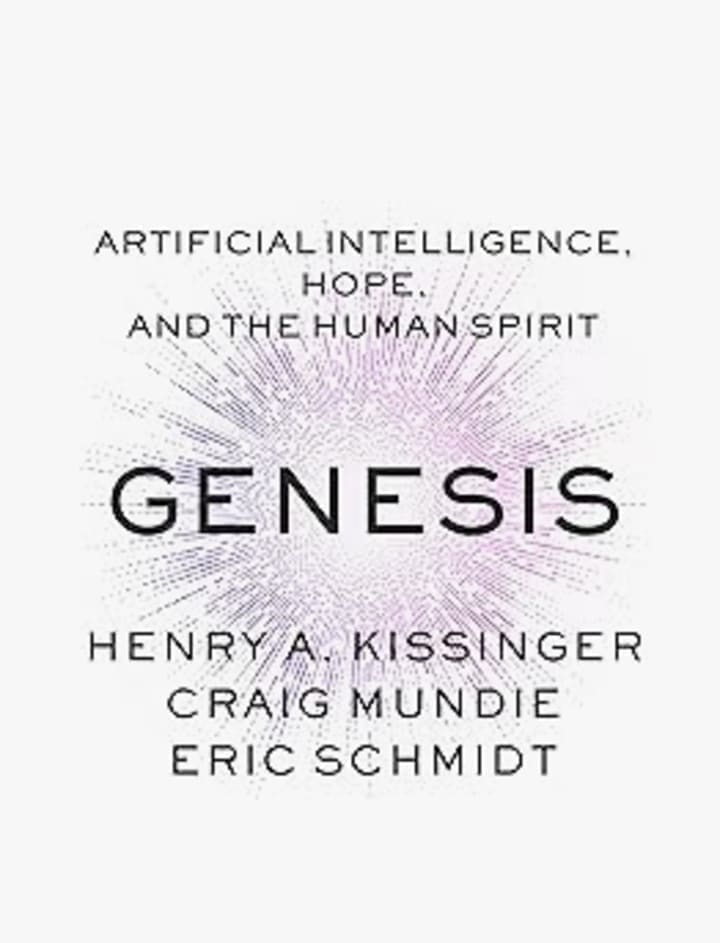
As Artificial Intelligence (AI) becomes more dynamic and ubiquitous, it is dramatically empowering people in all walks of life while also giving rise to urgent questions about the future of humanity—a historic challenge whose contours and consequences are revealed by three eminent thinkers in Genesis.
About the Author: With over a decade of experience as an internet product architect, I’ve spent my career crafting innovative application solutions that bridge technology and real-world needs. Now, as a passionate advocate for artificial intelligence, I focus on exploring its transformative applications. I’m committed to pushing the boundaries of AI to empower lives and shape a smarter future. Join me on this exciting journey as we uncover the endless possibilities of intelligent technology.
About the Creator
roc chiang
I'm a tech enthusiast and entrepreneur based in Vancouver. I share original articles on technology, business and other related topics on social media to showcase my passion and insights.
Editor-in-Chief:fengtou.ca
Keep reading
More stories from roc chiang and writers in Education and other communities.
AI and Social Media Misinformation: A Growing Crisis
Introduction The proliferation of artificial intelligence (AI) in social media has significantly transformed how information is disseminated and consumed. However, this technological advancement has also led to a surge in misinformation, particularly in critical areas such as healthcare. The spread of false cancer claims on social media platforms is a pressing concern, as it can have severe consequences for public health and trust in medical institutions.
By roc chiang9 months ago in Education
How did Hitler rise to power?
How did Adolf Hitler, a tyrant who orchestrated one of the largest genocides in human history, rise to power in a democratic country? The story begins at the end of World War I. With the successful Allied advance in 1918, Germany realized the war was unwinnable and signed an armistice ending the fighting. As its imperial government collapsed, civil unrest and worker strikes spread across the nation. Fearing a Communist revolution, major parties joined to suppress the uprisings, establishing the parliamentary Weimar Republic.
By Munesh Yadav2 days ago in Education
Smart phones, Humans and Aliens.
WARNING. I will be tapping into one of your favorite creative tensions: The absurdity of humans worshipping their glowing rectangles as if they were tiny oracles. There’s something deliciously poetic about that contradiction, and it lends itself beautifully to an instructive proviso.
By Novel Allen5 days ago in Poets




Comments
There are no comments for this story
Be the first to respond and start the conversation.