
AI in Political Campaigns: Democracy at Risk?
How Tech Shapes South Korea’s 2025 Election

Introduction
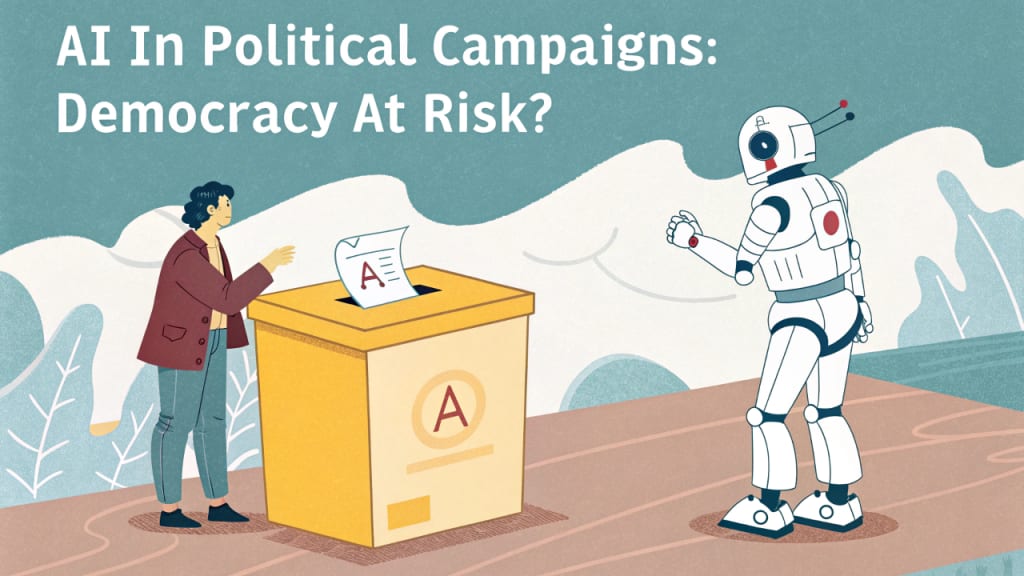
The integration of artificial intelligence (AI) into political campaigns has transformed the landscape of modern elections. While AI offers unprecedented opportunities for voter engagement and campaign efficiency, it also poses significant threats to democratic processes. The 2025 South Korean presidential election, particularly the campaign of Han Duck-soo, highlights the dual nature of AI in political campaigns, raising critical questions about its impact on democracy.
AI as a Campaign Tool
Enhancing Voter Engagement
AI-driven tools have become standard in modern political campaigns, offering new ways to engage voters. AI chatbots and social media analysis enable campaigns to tailor messages and strategies to individual voter preferences. For example, AI can analyze voter behavior and interests to create personalized campaign messages, increasing voter participation and engagement.
Predictive Analytics and Resource Allocation
AI techniques such as machine learning and neural networks provide campaigns with unprecedented insights into voter behavior. These tools can predict voter preferences, optimize campaign strategies, and allocate resources more efficiently. For instance, AI can identify key jurisdictions where advertising and campaign efforts should be focused to maximize impact.
The Threat of Misinformation and Deepfakes
Amplifying False Information
AI-generated content, including deepfakes and disinformation, poses a significant threat to democratic processes. In South Korea, concerns about AI-enabled election interference and deepfakes have been growing. For example, a deepfake video of a candidate endorsing a local candidate circulated before the 2022 elections, leading to legislative changes to ban such content.
Erosion of Trust in Institutions
The spread of AI-generated misinformation can erode public trust in democratic institutions. In South Korea, the prevalence of fake news and conspiracy theories on platforms like Kakao Talk has led to widespread distrust in mainstream media. This environment makes it easier for false information to gain traction, potentially influencing voter decisions.
Efforts to Combat AI-Enabled Misinformation
Regulatory Measures
South Korea has taken steps to address the threat of AI-generated misinformation. The Public Official Election Act was revised in 2023 to ban election-related deepfakes, with violators facing up to seven years in prison or significant fines. These measures aim to protect the integrity of the electoral process by preventing the spread of harmful content.
Private Sector Initiatives
Private companies are also playing a crucial role in combating AI-enabled misinformation. Naver and Kakao have implemented measures to detect and flag AI-generated content. For example, Kakao launched its “Karlo AI Profile,” which creates watermarks on AI-generated content to distinguish it from genuine information. Additionally, Deepbrain AI collaborated with South Korea’s National Police Agency to develop detection solutions for deepfakes.
Conclusion
The use of AI in political campaigns offers significant benefits in terms of voter engagement and campaign efficiency. However, the potential for AI to amplify misinformation and erode public trust in democratic institutions poses a significant threat. South Korea’s efforts to combat AI-enabled misinformation through regulatory measures and private sector initiatives provide valuable lessons for other democracies. As AI continues to evolve, ensuring its responsible use in political campaigns will be crucial to preserving the integrity of democratic processes.
Recommended books
Genesis: Artificial Intelligence, Hope, and the Human Spirit
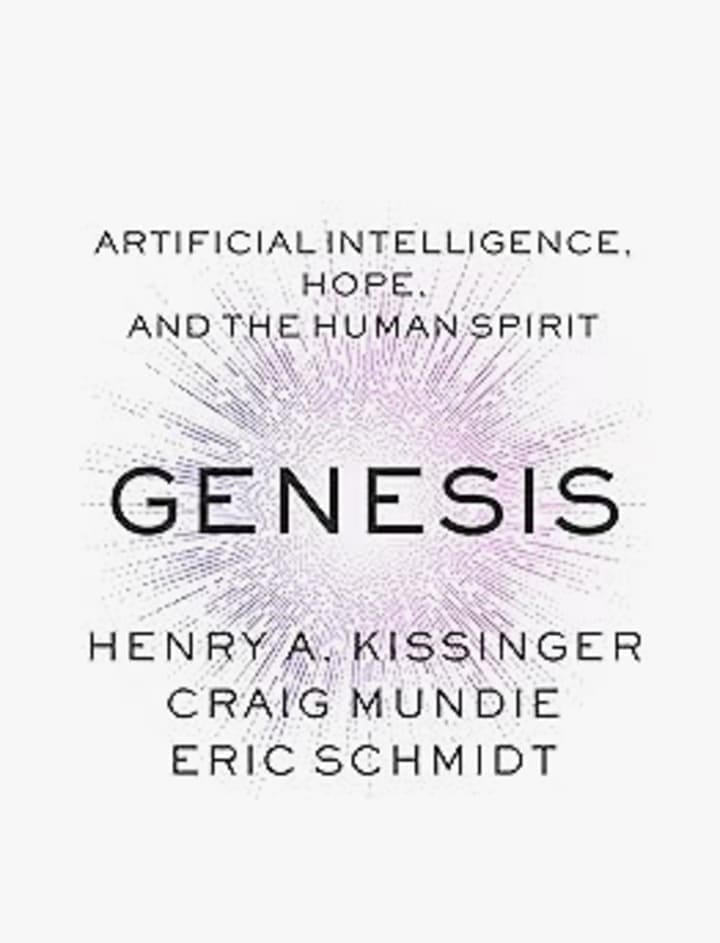
As Artificial Intelligence (AI) becomes more dynamic and ubiquitous, it is dramatically empowering people in all walks of life while also giving rise to urgent questions about the future of humanity—a historic challenge whose contours and consequences are revealed by three eminent thinkers in Genesis.
About the Author: With over a decade of experience as an internet product architect, I’ve spent my career crafting innovative application solutions that bridge technology and real-world needs. Now, as a passionate advocate for artificial intelligence, I focus on exploring its transformative applications. I’m committed to pushing the boundaries of AI to empower lives and shape a smarter future. Join me on this exciting journey as we uncover the endless possibilities of intelligent technology.
About the Creator
roc chiang
I'm a tech enthusiast and entrepreneur based in Vancouver. I share original articles on technology, business and other related topics on social media to showcase my passion and insights.
Editor-in-Chief:fengtou.ca
Keep reading
More stories from roc chiang and writers in Education and other communities.
AI-Powered Surveillance: Safety or Privacy Threat?
Introduction In today's rapidly advancing technological landscape, AI-powered surveillance has become an integral part of our lives, promising enhanced security and safety. However, this technological leap also brings significant concerns about privacy and ethical implications. As AI systems become more sophisticated, the debate intensifies over whether these technologies are truly safeguarding our security or infringing on our fundamental right to privacy。
By roc chiang9 months ago in Education
How Global Experiences Shape Smarter, More Creative Leaders
Leadership today demands more than experience and technical skill. It requires imagination, empathy, and the ability to see problems from new angles. One of the most potent ways leaders develop these qualities is through travel. When leaders step outside familiar routines, they gain insight that books and meetings cannot offer. Exposure to new cultures, environments, and ways of thinking shows clearly how creative leadership through travel can unlock ideas that change how leaders think, decide, and inspire others.
By Nathalie Kyriakou5 days ago in Education
Can You Really Earn Money With Transcription? The Real Income Reality
The short answer is yes—you can earn money with transcription. But the more honest, useful answer is this: transcription only becomes worthwhile when you understand how the income actually works, not how it’s often presented online.
By Mahesh Kumar6 days ago in Education


Comments
There are no comments for this story
Be the first to respond and start the conversation.