
AI Grading Systems: Fair or Flawed?
Can Machines Truly Assess Human Creativity?

Introduction
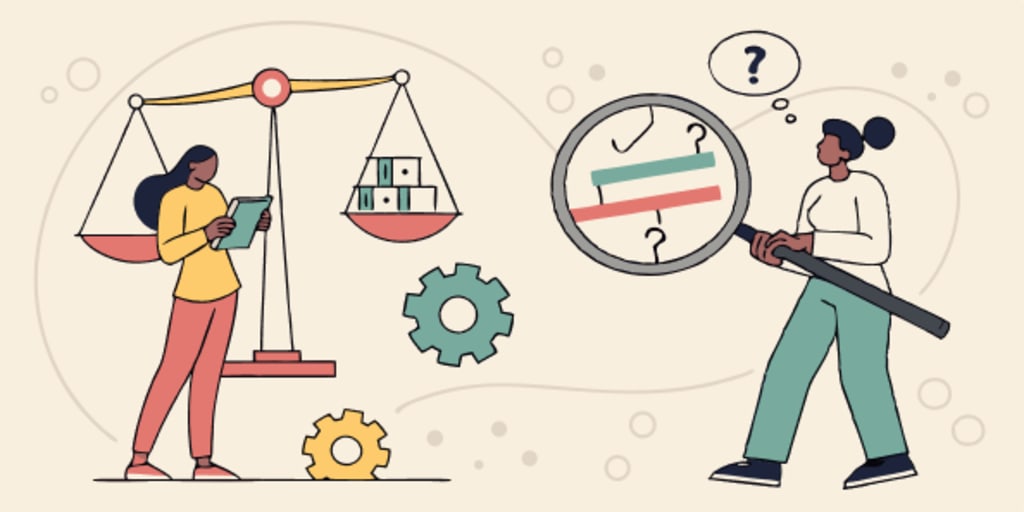
The integration of artificial intelligence (AI) into education has sparked intense debate about its fairness and effectiveness, particularly in assessing creative work like essays. While AI promises efficiency and consistency, its ability to evaluate subjective elements such as creativity, emotional depth, and originality remains questionable. This article explores the strengths and limitations of AI grading systems, focusing on their impact on creative assignments and educational equity.
Efficiency and Consistency of AI Grading
AI grading systems excel in processing objective tasks, such as multiple-choice questions and standardized answers. They can rapidly assess large volumes of work with minimal human intervention, ensuring uniformity in scoring. For example, AI tools like optical marking recognition (OMR) have been widely adopted for grading choice-based questions, significantly reducing the workload on teachers and improving efficiency. Additionally, AI can learn and mimic human scoring patterns, maintaining consistent evaluation standards across different batches of work.
Limitations in Assessing Creativity
However, AI struggles with subjective and creative assignments like essays. Evaluating creative work requires understanding nuances such as originality, emotional expression, and intellectual depth—areas where AI falls short. For instance, a university teacher recently assigned zero scores to AI-graded essays, arguing that AI fails to capture the complexity of human thought and emotion in writing. AI systems often prioritize surface-level metrics like grammar and structure, neglecting deeper aspects like argument coherence and creativity.
The Digital Divide and Educational Equity
The implementation of AI grading systems also raises concerns about educational equity. Students from low-income backgrounds may lack access to advanced AI tools, creating disparities in how their work is evaluated. Schools in underfunded areas may rely on outdated or less sophisticated AI systems, further disadvantaging students. This gap in access can perpetuate existing inequalities, as students with limited resources may not benefit equally from AI's potential advantages.
Algorithmic Bias and Fairness
AI grading systems are not immune to bias. Their performance heavily depends on the quality and representativeness of training data. If these datasets are skewed toward certain demographics, the resulting evaluations may disadvantage marginalized groups. For example, AI may struggle to accurately assess essays written in non-standard dialects or by students with unique cultural perspectives, leading to unfair scoring.
The Need for Human Oversight
While AI can enhance efficiency, it cannot replace human judgment entirely. Teachers play a crucial role in providing personalized feedback and understanding the individual contexts of their students' work. AI should be viewed as a supplementary tool rather than a replacement for human evaluators. Combining AI's efficiency with human insight ensures a more holistic and fair assessment process.
Conclusion
AI grading systems offer significant advantages in efficiency and consistency but face critical limitations in evaluating creative and subjective work. Their implementation must be carefully balanced with human oversight to ensure fairness and equity. As AI continues to evolve, educators and policymakers must remain vigilant about its limitations and strive to create inclusive evaluation frameworks that benefit all students, regardless of background or resources.
Recommended books
Genesis: Artificial Intelligence, Hope, and the Human Spirit
As Artificial Intelligence (AI) becomes more dynamic and ubiquitous, it is dramatically empowering people in all walks of life while also giving rise to urgent questions about the future of humanity—a historic challenge whose contours and consequences are revealed by three eminent thinkers in Genesis.
About the Author: With over a decade of experience as an internet product architect, I’ve spent my career crafting innovative application solutions that bridge technology and real-world needs. Now, as a passionate advocate for artificial intelligence, I focus on exploring its transformative applications. I’m committed to pushing the boundaries of AI to empower lives and shape a smarter future. Join me on this exciting journey as we uncover the endless possibilities of intelligent technology.
About the Creator
roc chiang
I'm a tech enthusiast and entrepreneur based in Vancouver. I share original articles on technology, business and other related topics on social media to showcase my passion and insights.
Editor-in-Chief:fengtou.ca
Keep reading
More stories from roc chiang and writers in Education and other communities.
Is AI in Education Widening the Inequality Gap?
Introduction The integration of artificial intelligence (AI) into education has sparked intense debate about its impact on educational equity. While AI promises to democratize education through personalized learning and expanded access, it also risks exacerbating existing inequalities. This article explores how AI tools may widen the gap between students from different socioeconomic backgrounds, particularly focusing on the limitations faced by low-income students.
By roc chiang9 months ago in Education
Smart Ways to Prevent AI From Taking Your Job
Artificial intelligence is changing the workplace faster than almost any technology before it. From automated customer service to AI-generated reports, images, and code, it’s natural to wonder: Will AI take my job?
By Anthony Bahamondea day ago in Education
Why Do We Dream?
In the third millenium BCE, Mesopotamian kings recorded and interpreted their dreams on wax tablets. A thousand years later, Ancient Egyptians wrote a dream book listing over a hundred common dreams and their meanings. And in the years since, we haven't paused in our quest to understand why we dream. So, after a great deal of scientific research, technological advancement, and persistence, we still don't have any definite answers, but we have some interesting theories. We dream to fulfill our wishes.
By Munesh Yadav2 days ago in Education


Comments
There are no comments for this story
Be the first to respond and start the conversation.