
Is AI in Education Widening the Inequality Gap?
The Dark Side of Personalized Learning

Introduction
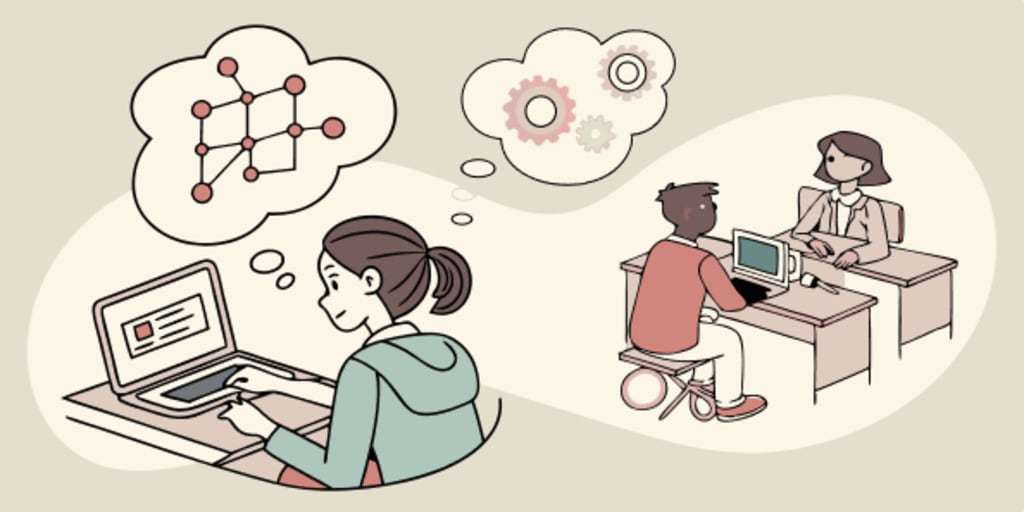
The integration of artificial intelligence (AI) into education has sparked intense debate about its impact on educational equity. While AI promises to democratize education through personalized learning and expanded access, it also risks exacerbating existing inequalities. This article explores how AI tools may widen the gap between students from different socioeconomic backgrounds, particularly focusing on the limitations faced by low-income students.
The Digital Divide
A significant barrier to educational equity is the digital divide, which affects students' access to technology and the internet. In many low-income communities, students lack reliable internet connections and devices necessary for accessing AI-driven educational tools. This disparity limits their ability to benefit from AI-powered learning platforms, which are often designed for students with consistent and high-speed internet access. The divide is further compounded by differences in digital literacy skills, where students from disadvantaged backgrounds may struggle to navigate and effectively use these technologies.
Access to Resources
AI education tools require substantial infrastructure and resources, which are often concentrated in wealthier schools and regions. Schools in affluent areas can afford advanced AI systems and trained educators to implement them, while underfunded schools in low-income areas struggle to provide even basic digital resources. This uneven distribution of resources creates a situation where the benefits of AI are not evenly distributed, potentially widening the achievement gap between students from different socioeconomic backgrounds.
Algorithmic Bias
AI systems are trained on vast datasets, which can inadvertently perpetuate existing biases. If these datasets are not representative of diverse student populations, the resulting AI tools may perform unevenly across different groups. For example, algorithms trained primarily on data from high-income students may not be as effective in identifying the needs of low-income students, leading to less accurate assessments and recommendations. This can result in certain groups being disadvantaged in the educational process.
Teacher Training and Support
The effective use of AI in education requires teachers to have adequate training and support. However, educators in low-income schools often lack access to professional development opportunities focused on AI integration. Without proper training, teachers may struggle to leverage AI tools effectively, limiting their ability to provide personalized instruction and support to students. This lack of support can further marginalize students in already disadvantaged educational settings.
Conclusion
While AI has the potential to revolutionize education, its implementation must be carefully considered to avoid exacerbating existing inequalities. Addressing the digital divide, ensuring equitable access to resources, mitigating algorithmic bias, and providing comprehensive teacher training are critical steps toward harnessing AI's benefits for all students. The future of education lies in creating an inclusive environment where AI serves as a tool for empowerment rather than exclusion, ensuring that every student, regardless of background, has the opportunity to thrive.
Recommended books
Genesis: Artificial Intelligence, Hope, and the Human Spirit
As Artificial Intelligence (AI) becomes more dynamic and ubiquitous, it is dramatically empowering people in all walks of life while also giving rise to urgent questions about the future of humanity—a historic challenge whose contours and consequences are revealed by three eminent thinkers in Genesis.
About the Author: With over a decade of experience as an internet product architect, I’ve spent my career crafting innovative application solutions that bridge technology and real-world needs. Now, as a passionate advocate for artificial intelligence, I focus on exploring its transformative applications. I’m committed to pushing the boundaries of AI to empower lives and shape a smarter future. Join me on this exciting journey as we uncover the endless possibilities of intelligent technology.
About the Creator
roc chiang
I'm a tech enthusiast and entrepreneur based in Vancouver. I share original articles on technology, business and other related topics on social media to showcase my passion and insights.
Editor-in-Chief:fengtou.ca
Keep reading
More stories from roc chiang and writers in Education and other communities.
AI in Insurance: Fair Pricing or Discrimination?
Introduction The integration of artificial intelligence (AI) into insurance pricing has transformed how risks are assessed and premiums are determined. While AI offers unprecedented efficiency and precision, it also raises significant concerns about fairness and discrimination. This article explores the potential biases in AI algorithms and their impact on vulnerable groups, questioning whether AI truly delivers fair pricing or inadvertently penalizes those who need protection the most.
By roc chiang9 months ago in Education
How did Hitler rise to power?
How did Adolf Hitler, a tyrant who orchestrated one of the largest genocides in human history, rise to power in a democratic country? The story begins at the end of World War I. With the successful Allied advance in 1918, Germany realized the war was unwinnable and signed an armistice ending the fighting. As its imperial government collapsed, civil unrest and worker strikes spread across the nation. Fearing a Communist revolution, major parties joined to suppress the uprisings, establishing the parliamentary Weimar Republic.
By Munesh Yadav2 days ago in Education


Comments
There are no comments for this story
Be the first to respond and start the conversation.