
AI Bias in Education: A Hidden Challenge
Ensuring Fairness in Intelligent Learning Systems

Introduction
The integration of artificial intelligence (AI) into education holds transformative potential, promising personalized learning experiences and enhanced instructional methods. However, this technological advancement brings with it significant challenges, particularly in the form of algorithmic biases that can undermine the very fairness and equity AI is supposed to support. As AI becomes increasingly integral to educational systems, addressing these biases is crucial to ensuring that all students benefit equally from these innovations.
Manifestations of AI Bias in Education
Algorithmic biases in educational AI applications can manifest in numerous ways, each with the potential to negatively impact student outcomes. One study highlights how AI systems used for grading and assessment may inadvertently favor certain demographic groups over others, perpetuating existing inequalities. For example, automated scoring systems trained on historical data that reflects past prejudices can disproportionately disadvantage students from marginalized backgrounds, potentially affecting their academic opportunities and future careers.
Sources of Bias in Educational AI
Biases in AI-driven educational tools often stem from the data used to train these systems. If the training data is not representative of the diverse student population, the resulting AI models may perform unevenly across different groups. This can occur when data primarily reflects the experiences and characteristics of one demographic, leading to inaccuracies and unfair treatment of others. Additionally, the design and development processes of AI systems can introduce biases if they do not account for the diverse needs and perspectives of all potential users.
Ethical and Social Implications
The presence of bias in educational AI raises serious ethical concerns, particularly regarding fairness and equity. When AI systems reinforce stereotypes or disadvantage certain groups, they can contribute to broader societal inequalities and limit opportunities for those already facing barriers in education. Furthermore, the lack of transparency in how these systems operate can make it difficult to identify and address biases, potentially leading to their unintentional perpetuation.
Mitigation Strategies and Future Directions
Addressing AI bias in education requires a multifaceted approach that includes technical solutions, policy frameworks, and educational initiatives. Developers can work to improve the representativeness and quality of training data, implement algorithmic fairness techniques, and conduct rigorous testing across diverse populations. Policymakers should establish guidelines and regulations that promote ethical AI use in education, emphasizing the importance of fairness, transparency, and accountability. Additionally, incorporating AI literacy into educational curricula can help students and educators better understand these technologies and advocate for their responsible application.
Conclusion
As AI continues to reshape the educational landscape, ensuring fairness and mitigating bias must be central priorities. By acknowledging the challenges posed by algorithmic unfairness and taking proactive steps to address them, we can harness the power of AI to create more inclusive and equitable learning environments for all students. This collaborative effort among developers, educators, policymakers, and students is essential to maximizing the benefits of AI in education while minimizing its potential harms.
Recommended books
Genesis: Artificial Intelligence, Hope, and the Human Spirit
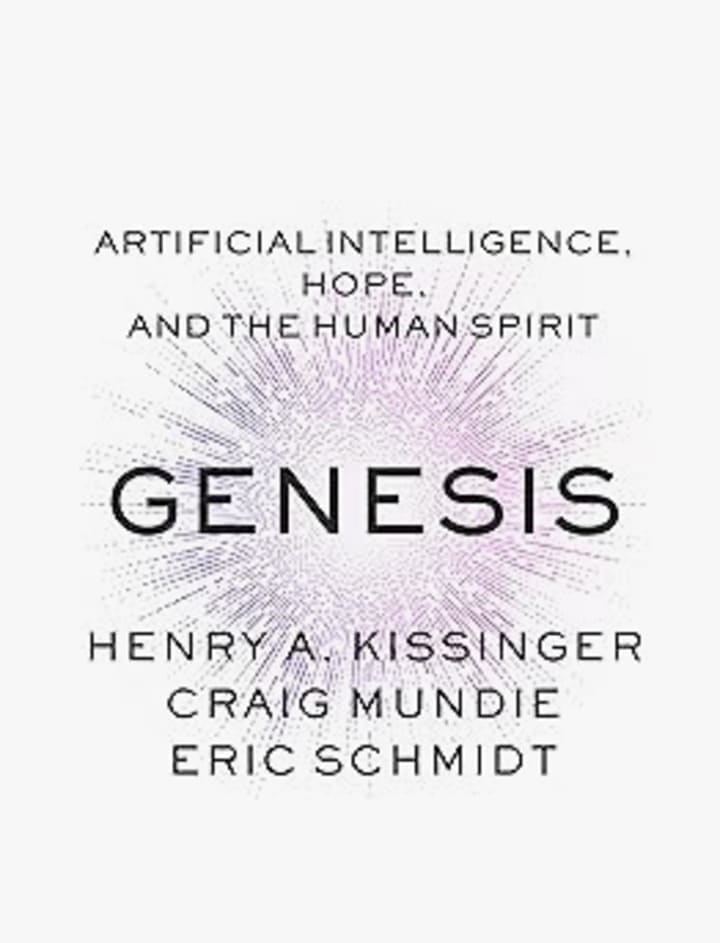
As Artificial Intelligence (AI) becomes more dynamic and ubiquitous, it is dramatically empowering people in all walks of life while also giving rise to urgent questions about the future of humanity—a historic challenge whose contours and consequences are revealed by three eminent thinkers in Genesis.
About the Author: With over a decade of experience as an internet product architect, I’ve spent my career crafting innovative application solutions that bridge technology and real-world needs. Now, as a passionate advocate for artificial intelligence, I focus on exploring its transformative applications. I’m committed to pushing the boundaries of AI to empower lives and shape a smarter future. Join me on this exciting journey as we uncover the endless possibilities of intelligent technology.
About the Creator
roc chiang
I'm a tech enthusiast and entrepreneur based in Vancouver. I share original articles on technology, business and other related topics on social media to showcase my passion and insights.
Editor-in-Chief:fengtou.ca
Keep reading
More stories from roc chiang and writers in Education and other communities.
AI’s Impact on Teacher Workloads
Introduction In the realm of education, teachers often face overwhelming workloads that extend beyond classroom instruction, including time-consuming tasks like grading assignments, planning lessons, and handling administrative duties. This heavy burden can lead to burnout and detract from the quality of teaching and student interaction. However, advancements in artificial intelligence (AI) are transforming this landscape by automating routine tasks, allowing educators to focus more on meaningful teaching and student engagement.
By roc chiang10 months ago in Education
Where Ownership Meets Impact: Exploring the Powerful Connection Between Equity and Giving
The relationship between equity and philanthropy in modern society reflects a growing awareness that wealth, ownership, and social responsibility are deeply interconnected. As economic systems evolve, individuals and organizations are increasingly recognizing that equity is not only a financial instrument but also a powerful lever for positive change. Philanthropy, once seen as separate from ownership and investment, is now being shaped by equity-driven thinking that prioritizes long-term impact over short-term relief.
By John Olin Killgore6 days ago in Education
Why MEP BIM Is Essential for Modern Commercial Construction
Modern commercial construction projects are defined by density, complexity, and risk. Mechanical, electrical, and plumbing (MEP) systems now consume a significant portion of construction budgets and coordination effort, especially in sectors such as healthcare, data centers, mixed-use developments, airports, and large commercial facilities.
By Matt Sharon5 days ago in Education


Comments
There are no comments for this story
Be the first to respond and start the conversation.