
AI and Wearable Tech: Health Monitor or Data Trap?
The Privacy Cost of Smart Devices in 2025

Introduction
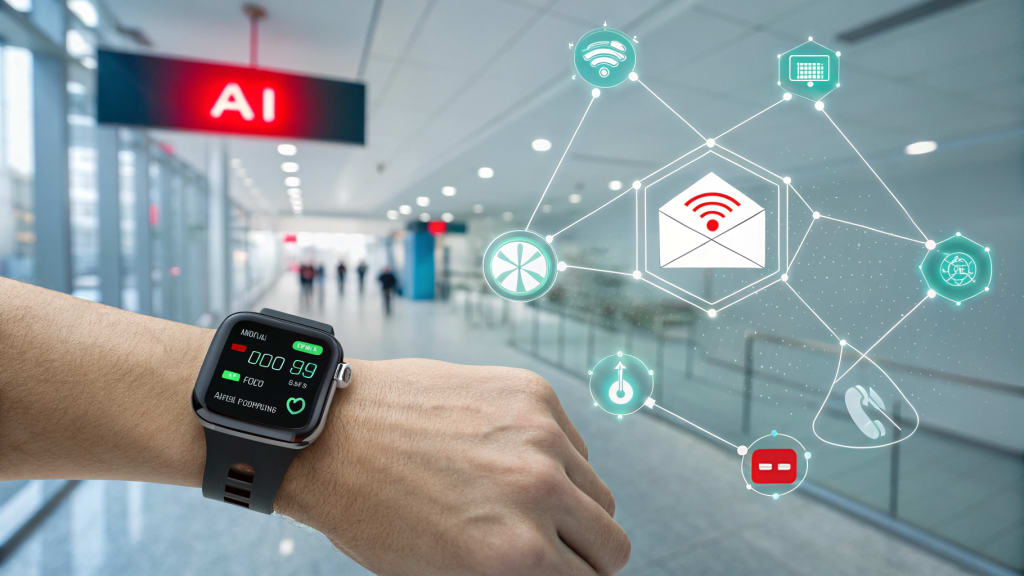
The rapid advancement of AI and wearable technology has transformed health monitoring, offering real-time insights and personalized health recommendations. However, these technologies also raise significant concerns about data privacy and security. As smart devices become more integrated into daily life, the question of whether they are truly beneficial for health or pose a hidden risk becomes increasingly relevant。
The Benefits of AI-Enabled Wearable Tech
Real-Time Health Monitoring
AI-powered wearable devices provide continuous monitoring of vital signs, physical activity, and biochemical signals. This real-time data can help detect early signs of health issues, enabling timely interventions. For example, wearable ECG devices can detect irregular heart rhythms, while continuous glucose monitors help diabetics manage their condition。
Personalized Health Recommendations
AI algorithms analyze data from wearable devices to offer personalized health recommendations. These insights can encourage healthy behaviors, such as staying active, maintaining hydration, and eating healthily. By providing tailored advice, wearable tech can significantly reduce the risk of chronic diseases。
Remote Patient Monitoring
Wearable tech enables remote monitoring of patients, allowing healthcare providers to receive real-time data during virtual consultations. This is particularly beneficial for managing chronic conditions like diabetes or heart disease, as doctors can intervene early if a patient's health metrics fall outside normal ranges。
Privacy and Security Concerns
Data Collection and Transmission
Wearable devices collect vast amounts of sensitive health data, which is often transmitted to mobile apps or cloud services. This data can include heart rate, sleep patterns, and location information. Ensuring secure wireless connectivity and protecting against data breaches is crucial to safeguard user privacy。
Data Accuracy and Reliability
While wearable tech has improved significantly, there is still room for error in data collection. False positives or negatives can lead to unnecessary anxiety or missed health issues. Continuous improvement in sensor technology and AI algorithms is essential to ensure data accuracy。
Ethical Considerations
AI algorithms are only as good as the data they are trained on. If the data is biased, the recommendations and predictions will be too. Ensuring that AI systems are fair and unbiased is a complex but necessary task。
Future Outlook
Integration with Emerging Technologies
The future of wearable tech lies in its integration with emerging technologies such as augmented reality (AR), virtual reality (VR), and the Internet of Medical Things (IoMT). These advancements will enhance the capabilities of wearable devices, making them more connected and data-driven。
Policy and Implementation Frameworks
As wearable tech continues to evolve, robust regulatory frameworks and ethical guidelines are essential to protect user privacy and ensure data security. Policymakers must work with healthcare providers and technology companies to create an ecosystem that fosters innovation while safeguarding against potential risks。
Conclusion
AI-enabled wearable tech offers significant benefits in health monitoring by providing real-time data, personalized recommendations, and remote patient monitoring. However, addressing challenges related to data privacy, accuracy, and ethical considerations is crucial to ensure that these technologies benefit users without compromising their privacy. By fostering collaboration between stakeholders and implementing robust regulatory frameworks, we can harness the full potential of wearable tech to create a more proactive and personalized approach to health management。
Recommended books
Genesis: Artificial Intelligence, Hope, and the Human Spirit
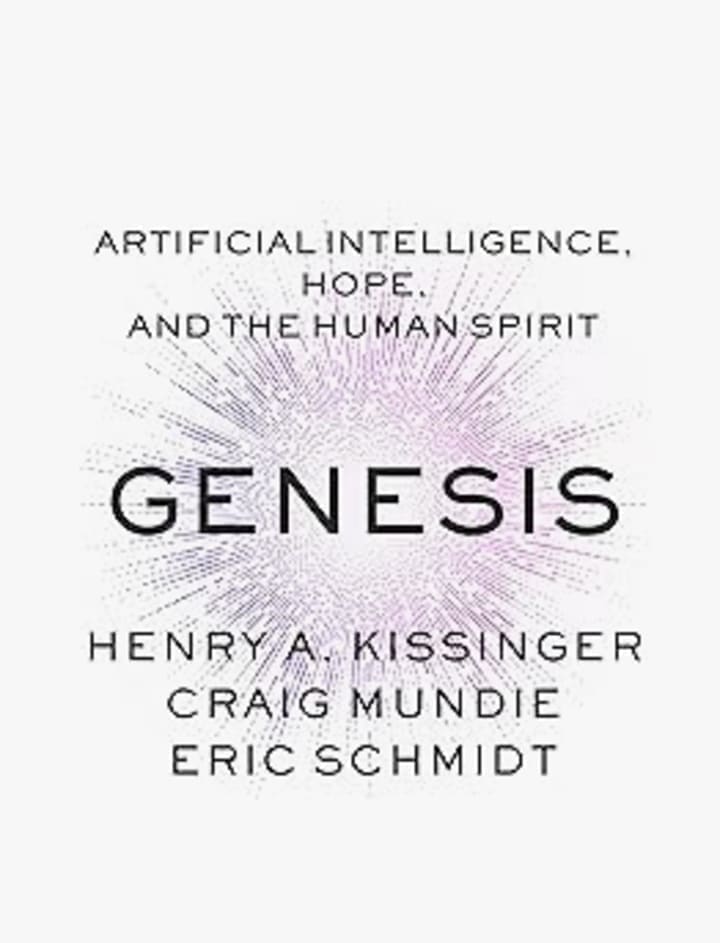
As Artificial Intelligence (AI) becomes more dynamic and ubiquitous, it is dramatically empowering people in all walks of life while also giving rise to urgent questions about the future of humanity—a historic challenge whose contours and consequences are revealed by three eminent thinkers in Genesis.
About the Author: With over a decade of experience as an internet product architect, I’ve spent my career crafting innovative application solutions that bridge technology and real-world needs. Now, as a passionate advocate for artificial intelligence, I focus on exploring its transformative applications. I’m committed to pushing the boundaries of AI to empower lives and shape a smarter future. Join me on this exciting journey as we uncover the endless possibilities of intelligent technology.
About the Creator
roc chiang
I'm a tech enthusiast and entrepreneur based in Vancouver. I share original articles on technology, business and other related topics on social media to showcase my passion and insights.
Editor-in-Chief:fengtou.ca
Keep reading
More stories from roc chiang and writers in Education and other communities.
AI in Mental Health Apps: Help or Harm in Crisis?
Introduction The integration of artificial intelligence (AI) into mental health care has emerged as a transformative solution to address the growing global mental health crisis。With around 85% of individuals with mental health issues unable to access treatment due to a shortage of providers and resources,AI-driven apps and tools are stepping in to fill the gap. However, as these technologies become more prevalent, questions arise about their reliability, effectiveness, and potential risks in supporting emotional well-being。
By roc chiang8 months ago in Education
Top 10 SEO Experts In Pakistan In 2026
Introduction Search optimization in 2026 no longer revolves around keywords or isolated ranking tactics. Google’s AI Overviews, entity-based indexing, and answer-first systems have changed how visibility is earned. Search engines now evaluate meaning, credibility, and contextual authority rather than mechanical signals.
By Sajid Ali Shar5 days ago in Education
Colors and Such
Before I retired in 2020, I worked as a Nursing instructor in one of the nation's largest community colleges. It was a job I thoroughly enjoyed for fifteen years because I had a heart for the students and genuinely wanted to invest in them and their futures.
By Shirley Belk7 days ago in Education



Comments
There are no comments for this story
Be the first to respond and start the conversation.