
AI and Us
How artificial intelligence is changing our lives, work, and culture.

How AI Will Affect the Culture and Lifestyle of Humans
Artificial Intelligence (AI) is changing the world in many ways. It is not only used in factories or science labs, but it is also entering our daily lives. From smartphones to smart homes, from self-driving cars to online shopping suggestions, AI is everywhere. As AI continues to grow, it will affect the culture and lifestyle of humans in big ways. Some of these changes will be good, while others may bring challenges.
Changes in Work and Jobs
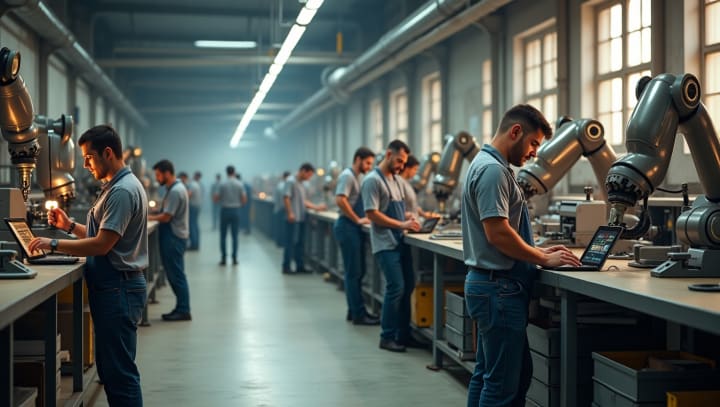
One of the biggest ways AI will affect people is through their jobs. Many companies are using AI to do tasks that were once done by humans. For example, robots can now help build cars, pack products, and even serve food in restaurants. AI can also do office jobs like checking documents or answering customer questions through chatbots.
This means some people may lose their jobs, especially those with simple or repetitive tasks. But at the same time, AI can also create new jobs. People will need to design, build, and take care of AI systems. There will be more demand for computer engineers, data scientists, and AI trainers. People will also need to learn new skills to work with AI. So, while AI may cause problems for some workers, it will also open new doors for others.
Lifestyle and Daily Life
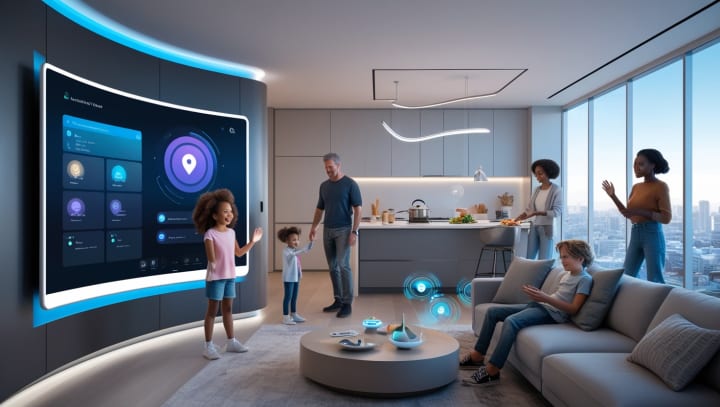
AI is also changing how we live our daily lives. Many people already use voice assistants like Siri or Alexa to play music, set alarms, or search the internet. These tools are making life more convenient. Smart homes use AI to control lights, temperature, and security systems. AI can even help save energy by learning when people are at home and adjusting things accordingly.
In transportation, AI helps create self-driving cars. These vehicles can reduce accidents caused by human mistakes and help people who cannot drive, like the elderly or disabled. AI also makes online shopping easier by suggesting products based on your past choices. All of these things are making life faster, easier, and more comfortable.
Health and Education
AI is also improving health care. Doctors now use AI to help find diseases earlier and faster. For example, AI can look at X-rays and find signs of cancer that a human might miss. It can also help plan treatments and track a patient’s health over time. This means people may live longer and healthier lives thanks to AI.
In education, AI can be used to create learning programs that match a student’s needs. If a student is weak in math but strong in reading, an AI tutor can give extra help in math and skip ahead in reading. This can help students learn better and faster. Teachers can also use AI to check homework or find the best ways to teach their students.

Culture and Human Relationships
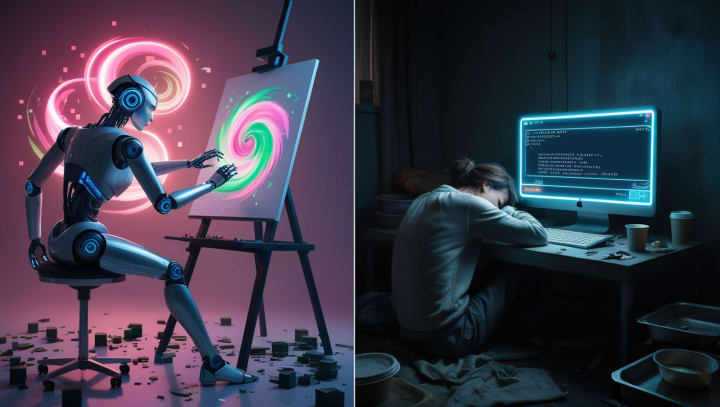
AI is also affecting culture and how people interact. Social media already uses AI to show us posts we might like, which can change what we think and believe. AI can also create music, art, and even write stories. Some people enjoy this because it gives new ideas, but others worry that AI-made art may take away from real human creativity.
Another big change is how people relate to each other. Some people may become more isolated if they spend more time talking to machines than to other people. For example, a lonely person might talk to a chatbot instead of calling a friend. This could change how we connect with others and may even affect our mental health.
The Need for Balance
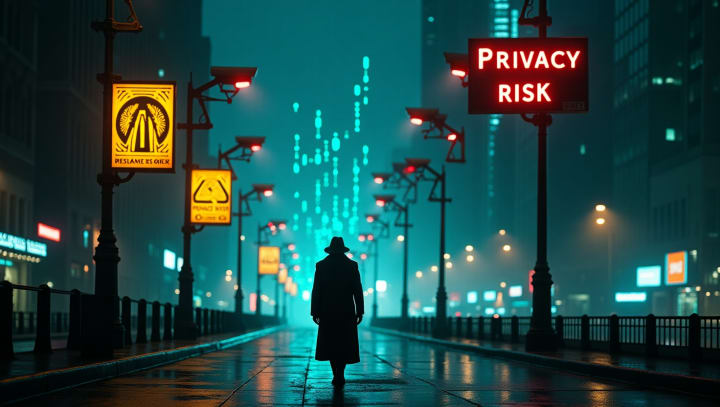
AI has many benefits, but it also brings risks. One of the biggest concerns is privacy. AI needs a lot of data to work well, which means it collects information about people’s habits, locations, and even their feelings. If this data is not protected, it could be misused. People also worry about fairness. If AI systems are trained with biased data, they may make unfair decisions, such as in hiring or lending money.
To handle these problems, people need to make smart rules about how AI is used. Governments, companies, and individuals all have a role in making sure AI helps people and doesn’t harm them.
Conclusion
AI is a powerful tool that will deeply change our culture and lifestyle. It can make life easier, healthier, and more efficient, but it can also bring job loss, social changes, and ethical concerns. The key is to use AI wisely and carefully, so it brings more good than harm. As AI continues to grow, humans must learn to adapt and make sure technology serves us—not the other way around.
About the Creator
Asim Ali
I distill complex global issues ranging from international relations, climate change to tech—into insightful, actionable narratives. My work seeks to enlighten, challenge, encouraging readers to engage with the world’s pressing challenges.
Miss Persephone's Manual to a Seemingly Ordinary Life
Miss Persephone was found at the dining table, her blue eyes swollen, her tears arriving and retreating like the tides of the ocean. Earlier that day, her family had visited her in the retirement home where she had lived for eight years. It was her eightieth birthday.
By Imola Tóth2 days ago in Fiction


Comments
There are no comments for this story
Be the first to respond and start the conversation.