
AI and Climate Tech: Savior or Greenwashing Tool?
Can Smart Tech Truly Fight Climate Change?

Introduction
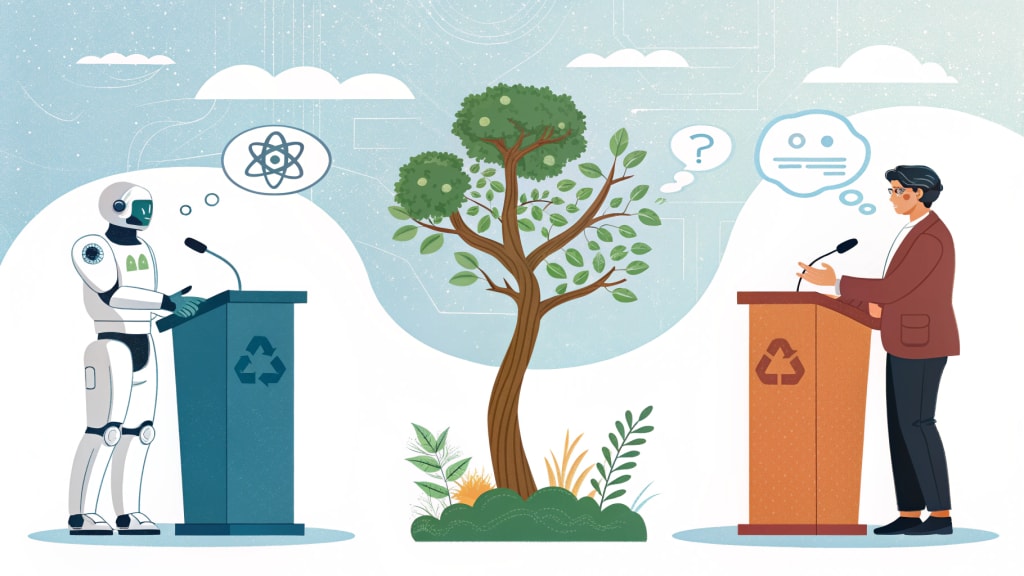
The role of artificial intelligence (AI) in combating climate change is a topic of intense debate. While AI offers significant potential to enhance climate modeling, optimize energy systems, and drive sustainable practices, it also faces criticism for contributing to carbon emissions due to its high energy consumption. This article explores the dual nature of AI in climate technology, examining both its potential benefits and the challenges it presents.
AI's Role in Climate Solutions
Enhancing Climate Modeling
AI's ability to process vast datasets allows it to create high-resolution climate models that offer more accurate predictions of future climate scenarios. These models can simulate the impacts of various climate interventions, helping policymakers make informed decisions. For example, AI can predict extreme weather events with greater precision, enabling communities to prepare and adapt.
Optimizing Renewable Energy
AI is being used to optimize the integration of renewable energy sources into power grids. By predicting energy demand and managing supply more efficiently, AI helps reduce reliance on fossil fuels and lower greenhouse gas emissions. This is crucial for managing the intermittent nature of renewable energy sources like wind and solar power.
Advancing Carbon Capture
AI-driven analytics are optimizing carbon capture technologies, making them more efficient and cost-effective. By identifying the most effective materials and processes for carbon capture, AI is helping to reduce industrial carbon emissions and accelerate the transition to net-zero.
Challenges and Ethical Considerations
High Energy Consumption
The development and operation of AI models require significant computational power, leading to substantial carbon emissions. Data centers, which are essential for AI processing, are projected to double their energy consumption by 2030. This underscores the need for more sustainable energy sources to power AI technologies.
Data Privacy and Security
AI systems rely on vast amounts of data, raising concerns about privacy and security. Ensuring that climate data is protected and used ethically is crucial to maintaining public trust.
Ensuring Accountability
Without careful regulation, the adoption of AI in climate tech could lead to unintended environmental consequences. Standardized methods for measuring AI's environmental impact are essential to drive informed decision-making and responsible development.
Future Outlook
Innovations in Energy Efficiency
Developing more energy-efficient algorithms and infrastructure is crucial to reducing AI's carbon footprint. Transitioning to renewable energy sources for powering AI technologies can significantly offset their environmental costs.
Global Collaboration
Addressing climate change requires global collaboration. Efforts like digital twin technology and federated data models are helping to integrate diverse datasets, enabling more accurate AI-driven climate simulations. This collaborative approach is essential for democratizing access to climate data and models, even in regions with fewer resources.
Conclusion
AI has the potential to be a powerful tool in the fight against climate change, offering solutions for enhanced climate modeling, optimized energy systems, and advanced carbon capture technologies. However, addressing its environmental impact and ensuring ethical use are critical to realizing its full potential. By fostering innovation in energy efficiency and promoting global collaboration, we can harness AI's benefits while minimizing its drawbacks. The future of climate tech depends on balancing AI's transformative capabilities with responsible, sustainable practices.
Recommended books
Genesis: Artificial Intelligence, Hope, and the Human Spirit
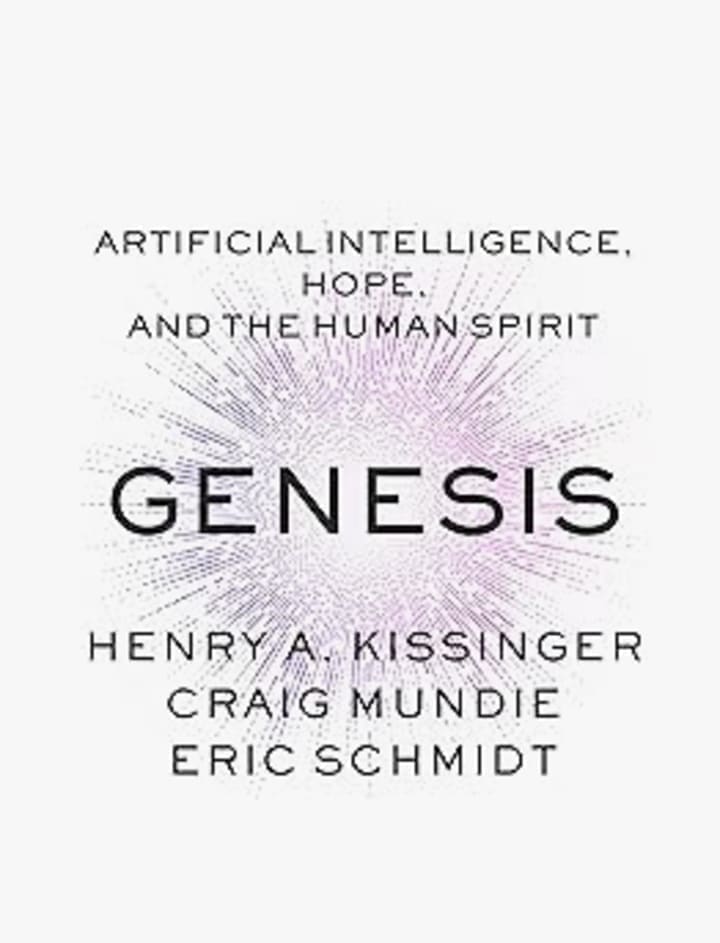
As Artificial Intelligence (AI) becomes more dynamic and ubiquitous, it is dramatically empowering people in all walks of life while also giving rise to urgent questions about the future of humanity—a historic challenge whose contours and consequences are revealed by three eminent thinkers in Genesis.
About the Author: With over a decade of experience as an internet product architect, I’ve spent my career crafting innovative application solutions that bridge technology and real-world needs. Now, as a passionate advocate for artificial intelligence, I focus on exploring its transformative applications. I’m committed to pushing the boundaries of AI to empower lives and shape a smarter future. Join me on this exciting journey as we uncover the endless possibilities of intelligent technology.
About the Creator
roc chiang
I'm a tech enthusiast and entrepreneur based in Vancouver. I share original articles on technology, business and other related topics on social media to showcase my passion and insights.
Editor-in-Chief:fengtou.ca
Keep reading
More stories from roc chiang and writers in Education and other communities.
AI in Education: Empowering or Over-Controlling Kids?
Introduction The integration of artificial intelligence (AI) into education has the potential to significantly enhance learning experiences, but it also raises critical concerns about student privacy and the potential for over-surveillance. As AI becomes more prevalent in classrooms and online learning platforms, it is essential to strike a balance between leveraging its benefits and protecting students' rights and well-being。
By roc chiang8 months ago in Education
Rooted in Conviction: Lessons on Spiritual Leadership and Social Order from Iglesia ni Cristo
Spiritual leadership has always played an essential role in guiding communities toward shared values and ethical living. In a world where leadership styles constantly evolve, religious institutions continue to offer enduring perspectives on responsibility and social harmony. Iglesia ni Cristo (INC), a Christian church founded in 1914 in the Philippines, presents a distinctive model of spiritual leadership that emphasizes order, unity, and moral discipline. Its influence reaches beyond religious practice and offers valuable lessons for society as a whole.
By Iglesia Ni Cristo2 days ago in Education
Smart phones, Humans and Aliens.
WARNING. I will be tapping into one of your favorite creative tensions: The absurdity of humans worshipping their glowing rectangles as if they were tiny oracles. There’s something deliciously poetic about that contradiction, and it lends itself beautifully to an instructive proviso.
By Novel Allen4 days ago in Poets




Comments
There are no comments for this story
Be the first to respond and start the conversation.