
Africa's Future Behind Bars
Corruption's Grip on Economic Growth and Cultural Erosion
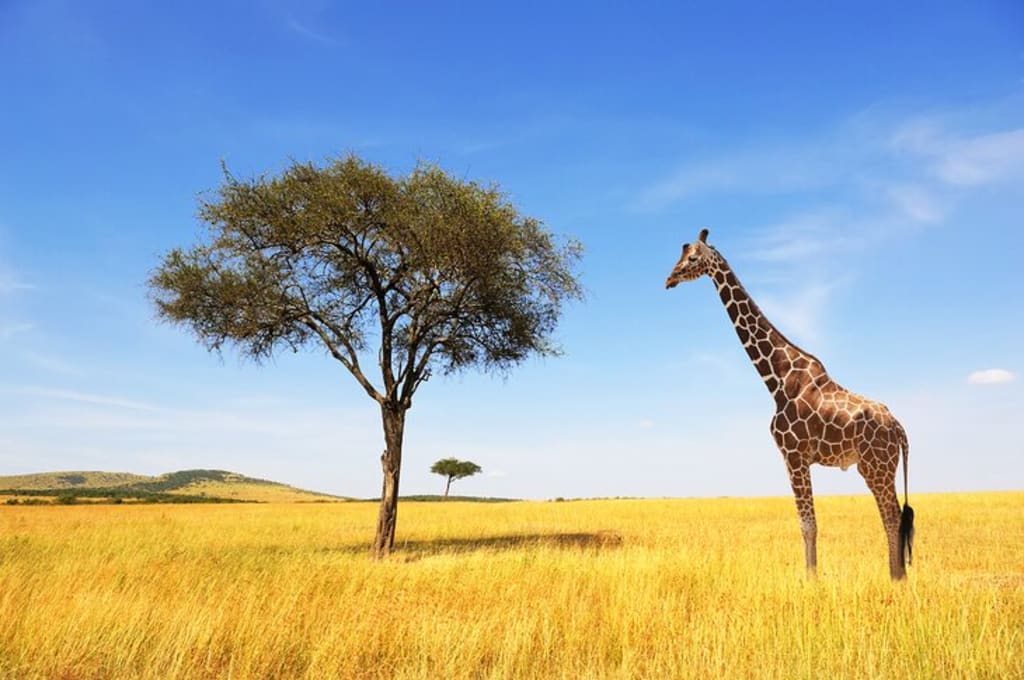
In the vast and diverse continent of Africa, a battle for its future is being fought on multiple fronts. Corruption, like a relentless adversary, continues to hamper economic growth, hinder social progress, and undermine the continent's cultural fabric. As the world hurtles into the future, Africa finds itself imprisoned by the chains of corruption, witnessing the erosion of its traditions, and facing the looming threat of cultural extinction.
Corruption, an endemic problem in many African nations, cripples the potential for sustainable development. It permeates the corridors of power, infiltrates institutions, and distorts the allocation of resources intended for the betterment of society. Instead of nurturing progress, corruption diverts funds meant for infrastructure, healthcare, and education into the hands of a privileged few, leaving the majority of African citizens mired in poverty and lacking basic services. This systemic issue undermines governance, erodes public trust, and perpetuates a cycle of inequality that stifles Africa's economic growth. Furthermore, Africa's cultural heritage, once a source of pride and unity, faces an existential threat. The rise of globalization, Western influences, and a shift towards individualistic values have triggered the gradual erosion of traditional customs and practices. As younger generations gravitate towards Western ideals and popular culture, the rich tapestry of African traditions and languages risks fading into obscurity. The loss of cultural identity not only deprives Africans of their heritage but also threatens to erase the diverse narratives and invaluable wisdom passed down through generations.
While Africa grapples with these internal challenges, it must also contend with external forces that perpetuate its struggles. Some Western powers, historically entangled in Africa's past, continue to exploit the continent's abundant natural resources, often leaving little benefit for the local populations. The consequences of colonialism and neocolonialism have fostered a relationship in which Africa's riches are extracted, while its people remain in poverty, perpetuating a cycle of dependence. In this article, we delve deeper into the multifaceted issues plaguing Africa's future. We explore the pervasive reach of corruption and its detrimental impact on economic growth and social development. We examine the fading traditions and the erosion of cultural identity, highlighting the need to preserve and celebrate Africa's unique heritage. Additionally, we shed light on the complex dynamics between Africa and the West, questioning the motives behind external influences and the exploitation of Africa's resources. However, amidst the challenges, there is hope. Africa possesses an indomitable spirit, a rich tapestry of cultures, and a youthful population ready to shape a new narrative. By confronting corruption, revitalizing traditions, and fostering inclusive development, Africa can break free from the chains that confine it. Through genuine partnerships and a collective commitment to progress, Africa's future can transcend the shadows of its past, reclaim its identity, and forge a path toward a prosperous, culturally vibrant, and self-determined future.
The Pervasive Reach of Corruption:
Corruption, like a silent predator, extends its reach across the African continent, infecting governments, institutions, and businesses alike. Its effects are far-reaching, impacting the lives of millions of Africans and impeding economic growth. In the political arena, corrupt practices such as embezzlement, bribery, and nepotism erode the trust of citizens in their leaders. The diversion of public funds intended for vital infrastructure projects, healthcare systems, and education leaves communities in disarray, lacking the necessary resources for development.
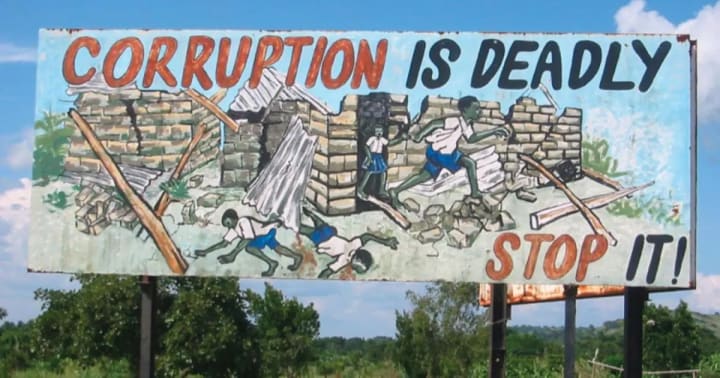
Moreover, corruption undermines the rule of law, perpetuating a culture of impunity where the powerful go unpunished. This fosters an environment of inequality and injustice, as the corrupt accumulate wealth at the expense of the vulnerable. It creates a vicious cycle where those in power prioritize personal gain over the welfare of their people, hindering social progress and stifling economic opportunities.
The Fading Traditions:
Africa's traditions and customs passed down through generations, have long been the foundation of its societies. They instilled a sense of identity, fostered strong community ties, and provided a moral compass for individuals. However, the allure of Western ideals, globalization, and modernization has led to the gradual erosion of these valuable traditions.

The younger generation, influenced by Western culture and media, often perceive their cultural practices as archaic or less desirable. The pursuit of individualism and materialistic values takes precedence, overshadowing collective well-being and cultural unity. As a result, ancient rituals, communal celebrations, and indigenous knowledge are pushed aside, leading to a loss of cultural diversity and intergenerational wisdom.
The Vanishing African Identity:
Africa's rich and diverse cultural heritage is a testament to its past and a source of pride for its people. However, the forces of globalization and the dominance of Western influence have threatened to overshadow and extinguish this identity. The prevalence of Western media, language, and consumerism has created a cultural hegemony that undermines the uniqueness of African cultures. Languages, often a key component of cultural identity, face the risk of extinction as English, French, and other European languages become more prevalent. Indigenous art forms, traditional music, and storytelling are gradually replaced by Western entertainment, leaving little room for the authentic expressions of African creativity.
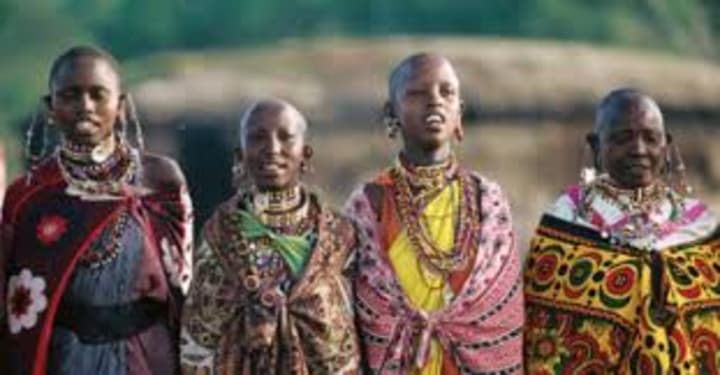
The erasure of African cultural identity not only deprives the continent of its diverse tapestry but also impacts individuals on a personal level. Many Africans are left grappling with a sense of disconnection from their roots, as their cultural practices and beliefs are marginalized or forgotten. The loss of this identity creates a void that cannot be filled by external influences, jeopardizing the mental and emotional well-being of individuals and the collective spirit of Africa.
The Western Influence and Exploitation:
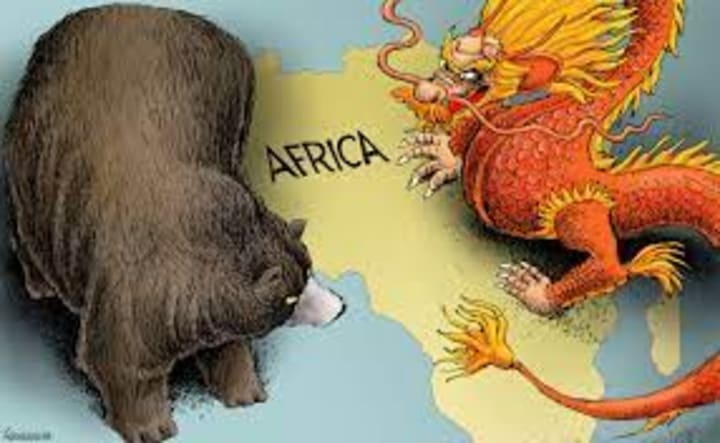
Africa's history is intertwined with that of the Western world, marked by colonialism, exploitation, and economic inequality. While some Western powers genuinely aim to assist in Africa's development, others exploit the continent's resources for their gain, perpetuating a cycle of dependency and poverty. Natural resources, such as oil, minerals, and precious metals, are often extracted without benefiting local communities. Multinational corporations exploit lax regulations and engage in practices that harm the environment and disrupt traditional livelihoods. The profits from these ventures seldom trickle down to the African people, further exacerbating the wealth gap and hindering sustainable development.
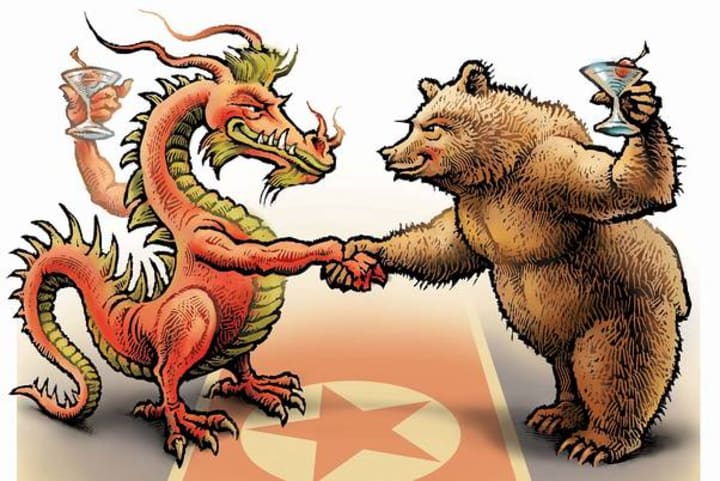
The Western narrative often portrays Africa as a continent in need of saving, reinforcing stereotypes of poverty, disease, and backwardness. This portrayal overshadows Africa's achievements, potential, and agency, perpetuating a cycle of dependency. It is vital to shift the narrative, recognizing Africa as a continent of resilience, innovation, and diverse contributions to the global community.
Forging a Path Forward:
Breaking free from the chains of corruption, cultural erosion, and exploitation requires a united effort from African nations, their leaders, and the international community. Governments must prioritize good governance, transparency, and accountability, creating robust institutions that root out corruption and ensure the equitable distribution of resources. Investment in education, particularly in cultural preservation and heritage, will empower younger generations to embrace their traditions and contribute to the revitalization of African culture.

Regional integration is a crucial step towards self-sufficiency and collective progress. African nations can collaborate to promote trade, develop infrastructure, and share resources. By reducing barriers and fostering cooperation, African countries can harness their collective potential, stimulate economic growth, and lessen their dependence on external powers.
International partnerships should be based on mutual respect, fairness, and shared benefits. The West must recognize Africa as an equal partner, respecting its cultural wealth and supporting sustainable development initiatives driven by African voices. This shift in dynamics can pave the way for true collaboration, where Africa's resources are used to uplift its people, foster economic growth, and drive positive social change.
The Hope for Africa's Redemption:
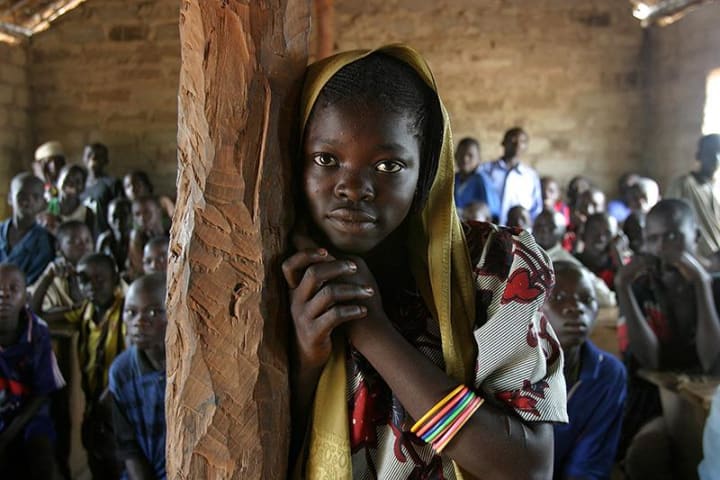
While Africa's path to redemption may be arduous, it is not devoid of hope. The resilience, creativity, and unity of its people are powerful forces that can reshape the narrative and propel the continent toward a brighter future. By addressing corruption, preserving traditions, and celebrating cultural diversity, Africa can reclaim its identity and unleash its untapped potential.
Through effective governance, investment in education, and the promotion of intra-African cooperation, Africa can transcend the limitations imposed upon it. International partnerships that respect Africa's agency and prioritize shared progress will further accelerate the continent's journey toward self-sufficiency and sustainable development.
Africa's redemption lies within the hearts and minds of its people, as they reclaim their traditions, strengthen their communities, and chart a new course for their future. With determination, resilience, and a renewed sense of cultural pride, Africa can once again rise and shine as a beacon of progress, defying the shadows of corruption, cultural erosion, and exploitation that have plagued its past.
TO GOD BE THE GLORY
About the Creator
Keep reading
More stories from John Delphin and writers in Education and other communities.
A Devastating Loss of African Youth
Introduction: In the quiet corners of African communities, a battle rages that threatens the very essence of a generation. It is a battle against addiction, a battle against the demons that rob the youth of their potential, their future. The emotional toll is immeasurable, leaving scars that may never heal. This essay delves into the devastating impact of drug abuse on African youth, exploring the profound emotional consequences and the urgent need for comprehensive solutions. It is a plea to recognize the magnitude of this crisis and to rally together to save a generation on the brink.
By John Delphin3 years ago in Earth
Restored to Its Roots: The Homecoming of a Historic Waterwheel
The quiet sound of rushing water once again spins a historic waterwheel in its original location. After decades of absence, the wheel has returned to the same stream it once relied on for power, bringing a sense of closure and continuity to a community that never forgot its value. This return marks not just the restoration of a structure but the revival of a piece of living history.
By Grady Gaston6 days ago in Education



Comments (1)
Future of Africa