
Afghanistan crisis and the US military withdrawal
Background of the Afghanistan Crisis
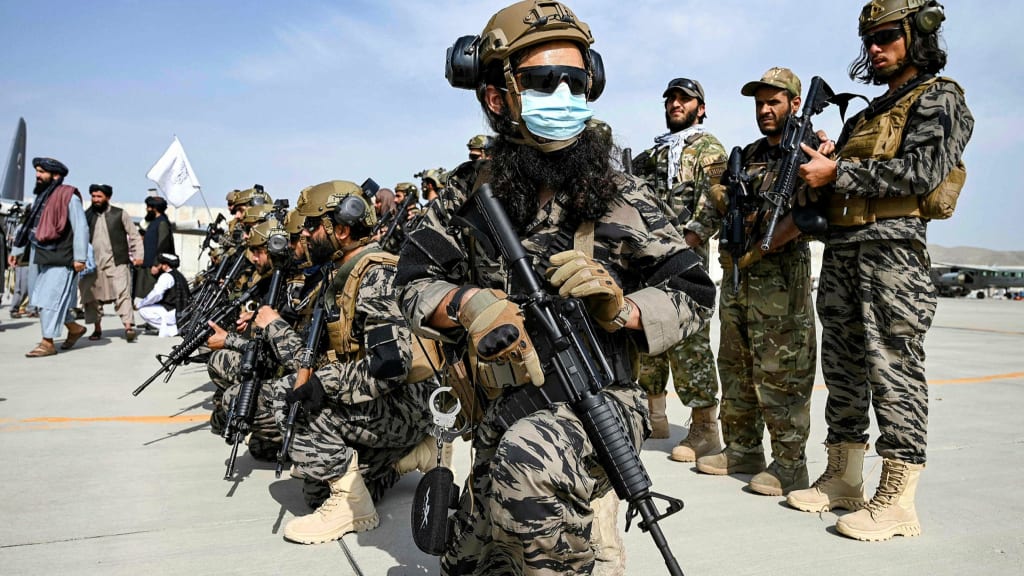
The recent events in Afghanistan have once again brought the region and its complex history to the forefront of international attention. The withdrawal of US military forces from Afghanistan and the subsequent Taliban takeover of the country have sparked debates and raised questions about the role of the US in the region, the future of Afghanistan, and the impact of these events on the global political landscape.
Background of the Afghanistan Crisis
The US involvement in Afghanistan began in the aftermath of the 9/11 terrorist attacks, when the Taliban government provided a safe haven for Al-Qaeda operatives responsible for the attacks. The US-led coalition forces launched Operation Enduring Freedom to remove the Taliban from power and capture or kill Al-Qaeda leaders.
The US military presence in Afghanistan continued for over two decades, as the mission evolved from a counterterrorism operation to a broader effort to stabilize the country and promote democracy and human rights. The US and its allies invested significant resources and manpower in Afghanistan, training and equipping the Afghan security forces and providing economic and humanitarian aid to the Afghan people.
However, the US-led coalition faced significant challenges and setbacks in Afghanistan, including a resurgent Taliban insurgency, corruption and inefficiency in the Afghan government, and a lack of popular support among the Afghan people. Despite these challenges, the US continued to maintain a military presence in Afghanistan, with over 100,000 troops deployed at the height of the war.
US Military Withdrawal and the Taliban Takeover
In April 2021, President Joe Biden announced that the US would withdraw its military forces from Afghanistan by September 11, 2021, the 20th anniversary of the 9/11 attacks. The decision was based on the assessment that the US military mission in Afghanistan had achieved its objectives and that continued military involvement was not in the US national interest.
The US and its allies began a phased withdrawal of military personnel and equipment from Afghanistan, with the Afghan security forces expected to assume responsibility for maintaining security and stability in the country. However, the Taliban seized the opportunity to launch a major offensive, capturing territory and key cities across the country at an alarming rate.
As the Taliban continued to make gains, the Afghan security forces suffered significant losses and desertions, with many soldiers and officers defecting to the Taliban or fleeing the country. The Afghan government was unable to mount an effective defense, and the Taliban took control of Kabul, the capital city, on August 15, 2021.
The Taliban's return to power in Afghanistan has raised concerns about the fate of Afghan citizens, particularly women and minorities, who may face persecution and human rights abuses under Taliban rule. The Taliban have made assurances that they will respect human rights and allow for peaceful coexistence, but many remain skeptical given the group's past record of brutality and oppression.
Impact of the Afghanistan Crisis
The US military withdrawal and the Taliban takeover of Afghanistan have significant implications for the region and the world at large. The following are some of the key impacts of the crisis:
Humanitarian Crisis: The Taliban takeover has led to a humanitarian crisis, with many Afghans fleeing the country in search of safety and stability. The UN estimates that over 500,000 people have been displaced since the Taliban takeover, and millions more are at risk of food insecurity and displacement.
Security Concerns: The Taliban's return to power raises concerns about regional security and stability, particularly in neighboring countries like Pakistan, Iran, and Central Asian states. The Taliban's past ties with Al-Qaeda and other extremist groups have also raised concerns about the potential for terrorist attacks against the US and its allies.
Geopolitical Shifts: The crisis has shifted the balance of power in the region, with China and Russia poised to fill the power vacuum left by the US withdrawal. Both countries have expressed interest in engaging with the Taliban and expanding their influence
in Afghanistan and the broader region. This could have significant implications for US interests and global security.
Refugee Crisis: The crisis has also led to a refugee crisis, with many Afghans fleeing the country in search of safety and stability. This has put a strain on neighboring countries, particularly Pakistan and Iran, which have already been hosting large numbers of Afghan refugees for years.
Human Rights Concerns: The Taliban's record on human rights, particularly with regard to women's rights and freedom of expression, has raised concerns among the international community. The Taliban's stated commitment to respecting human rights and allowing for peaceful coexistence will be closely monitored in the coming months.
US Credibility: The crisis has also raised questions about US credibility and reliability as a global leader. Critics of the US withdrawal argue that it has damaged US credibility and undermined its commitment to promoting democracy and human rights around the world.
Lessons Learned and Future Implications
The crisis in Afghanistan has highlighted the challenges and complexities of US foreign policy, particularly in the Middle East and South Asia. It has also raised questions about the effectiveness and sustainability of US military interventions and nation-building efforts.
Moving forward, the US and its allies will need to carefully consider their approach to Afghanistan and the broader region. This will require a more nuanced and multifaceted approach that takes into account the complex social, political, and economic factors that contribute to instability and conflict in the region.
In addition, the crisis in Afghanistan underscores the need for greater cooperation and coordination among the international community to address global challenges and promote peace and stability. The US and its allies will need to work closely with regional actors and multilateral organizations to find sustainable solutions to the complex challenges facing Afghanistan and the broader region.
Conclusion
The crisis in Afghanistan and the US military withdrawal have sparked intense debate and raised important questions about the role of the US in the region, the future of Afghanistan, and the impact of these events on the global political landscape. While the situation in Afghanistan remains fluid and uncertain, it is clear that the crisis will have significant implications for regional and global security, human rights, and US credibility and leadership. It is now up to the US and its allies to work together to find sustainable solutions to these complex challenges and promote peace and stability in the region.
About the Creator
Keep reading
More stories from Muhammad Zeeshan and writers in Education and other communities.
Erasmus eyes fast start for Namibia in home World Cup qualifier
Namibia's captain, Gerhard Erasmus, is hopeful that playing on home soil will give his team an advantage in the Cricket World Cup Qualifier Play-off. The tournament sees six teams competing for a top-two finish, which would earn them a spot at this year's ICC Men's Cricket World Cup. Despite the absence of several experienced players, Erasmus believes his team has a well-balanced squad and is confident they can make an immediate impact in their first match against the USA on Sunday.
By Muhammad Zeeshan3 years ago in Humans
Effective App Site Design: Tips & Best Practices
In today's digital age, an engaging and effective app site design is crucial for capturing and retaining user interest. The right design not only showcases your app but also enhances user experience, making it crucial for converting casual visitors into loyal users. This article explores various aspects of app site design, from UI design ideas to responsive layouts, and provides actionable tips to help your app stand out.
By nandbox support7 days ago in Education




Comments
There are no comments for this story
Be the first to respond and start the conversation.