
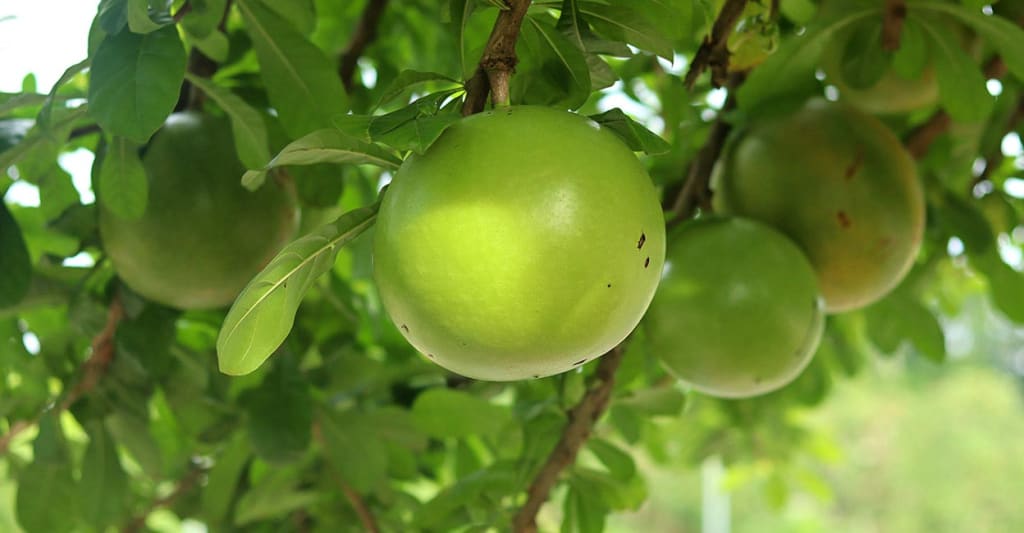
The Indian bael, scientifically known as Aegle marmelos, is a highly esteemed tree in Indian culture and traditional medicine, offering a multitude of advantages that span health, ecological, and socio-cultural dimensions.
Health Benefits:
Digestive Health: Bael is renowned for its digestive properties. Both the fruit and leaves are used to alleviate various gastrointestinal issues such as constipation, diarrhea, and dysentery. The fruit pulp, when consumed regularly, helps regulate bowel movements and improves digestion.
Rich in Nutrients: Bael fruit is a powerhouse of essential nutrients including vitamins A, B1, B2, and C, as well as minerals like calcium, phosphorus, and iron. These nutrients contribute to overall health and well-being, supporting immune function and bone health.
Antimicrobial and Anti-inflammatory Properties: Extracts from bael leaves and fruit possess antimicrobial properties, making them effective against bacteria, fungi, and other pathogens. Additionally, bael exhibits anti-inflammatory effects, which can help in treating conditions like gastritis and stomach ulcers.
Cardiovascular Health: Bael is beneficial for heart health due to its potassium content, which helps maintain blood pressure levels. It also contains compounds that may help reduce cholesterol levels, thereby reducing the risk of heart disease.
Immune Boosting: Regular consumption of bael fruit is believed to strengthen the immune system, making the body more resilient against infections and diseases.
Ecological Benefits:
Soil Conservation: Bael trees have deep roots that help prevent soil erosion. Their presence improves soil structure and fertility, making them beneficial for soil conservation efforts.
Biodiversity Support: Bael trees provide habitat and food for various wildlife species, including birds and insects. They contribute to biodiversity conservation by supporting ecosystem balance.
Carbon Sequestration: Like all trees, bael trees absorb carbon dioxide from the atmosphere during photosynthesis, helping mitigate climate change by reducing greenhouse gas levels.
Socio-cultural Significance:
Religious and Cultural Importance: The bael tree holds significant religious value in India, particularly in Hinduism. It is often planted near temples and is considered sacred. Leaves, fruits, and roots are used in religious rituals and ceremonies.
Traditional Medicine: In Ayurveda, bael is used to treat a wide range of ailments including digestive disorders, respiratory issues, and skin conditions. Its medicinal properties have been recognized and utilized for centuries in traditional Indian medicine.
Culinary Uses: Bael fruit pulp is used in culinary preparations such as juices, jams, and preserves. It has a sweet and aromatic flavor, making it a popular ingredient in desserts and beverages.
Economic Benefits:
Commercial Potential: The increasing demand for natural and organic products has led to a growing interest in bael-based pharmaceuticals, nutraceuticals, and herbal products. This presents economic opportunities for farmers and businesses involved in its cultivation and processing.
Livelihood Support: Bael cultivation provides livelihood opportunities, particularly in rural areas where the tree is grown. Farmers can derive income from selling fruits, leaves, and other parts of the bael tree.
Challenges and Conservation:
Despite its many advantages, the Indian bael faces threats such as habitat loss, overexploitation, and climate change. Conservation efforts are essential to safeguard its genetic diversity and ensure its sustainable use for future generations.
In summary, the Indian bael stands as a testament to the rich cultural heritage and traditional wisdom of India, offering not only health benefits through its medicinal properties but also ecological and socio-economic advantages. Preserving and promoting the cultivation of bael is crucial for harnessing these benefits and ensuring its continued contribution to human well-being and environmental sustainability.
About the Creator
Keep reading
More stories from Md Jashim uddin and writers in Education and other communities.
Advantage of Neem Tree
The neem tree (Azadirachta indica) is often referred to as the "wonder tree" due to its incredible range of beneficial properties and uses. Originating from the Indian subcontinent, neem has been an integral part of traditional medicine, agriculture, and everyday life for centuries. Here are the significant advantages of the neem tree:
By Md Jashim uddin2 years ago in Education
What Vloggers Must Know!
YouTube has always evolved alongside its creator community, and with the rapid growth of vlogging content, the platform has recently updated its policies to better define quality, originality, and monetization standards. These updates are especially important for vlog channel owners, as vlogs rely heavily on personal storytelling, daily life content, and real-world experiences. Understanding the new policy is essential for staying compliant, growing safely, and maintaining monetization eligibility.
By Bilal Mohammadi4 days ago in Education
Off the Book
It ended like every other stupid idea. Badly, and alone. I’m researching digital confession ethics, he said. A tech ethicist. He gestured at floating data I couldn’t see then pulled out a physical notebook. Actual paper, fountain pen. He held it up like he was showing me scripture.
By Nicky Frankly4 days ago in Fiction


Comments
There are no comments for this story
Be the first to respond and start the conversation.