

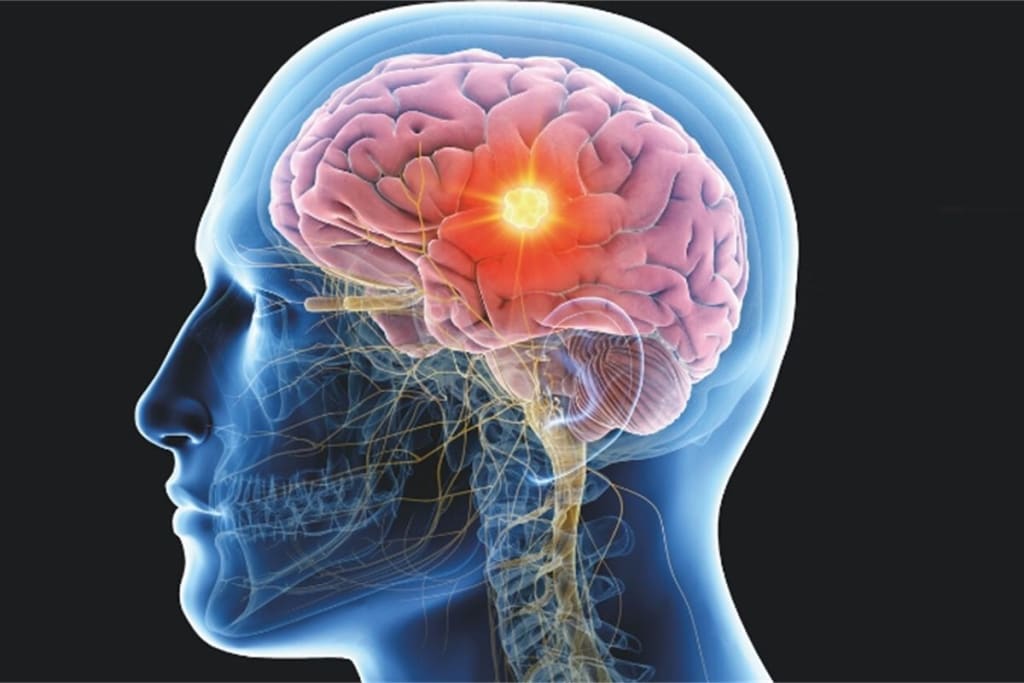
Advanced brain research involves the study of the structure and function of the brain at a molecular, cellular, and systems level. It encompasses a wide range of scientific disciplines, including neuroscience, psychology, genetics, and computer science, and involves the use of a variety of techniques and technologies, such as imaging, electrophysiology, and molecular biology.
One area of advanced brain research that has garnered a lot of attention in recent years is the study of brain plasticity, or the ability of the brain to change and adapt in response to experience and learning. Researchers have long known that the brain is capable of adapting and rewiring itself in response to changes in the environment, but recent advances in imaging and other techniques have allowed scientists to study this process in unprecedented detail.
Another area of advanced brain research is the study of brain-computer interfaces (BCIs), which are devices that allow people to communicate with computers or other electronic devices using their thoughts alone. BCIs are being developed for a variety of applications, including aiding people with disabilities, enhancing human-machine interaction, and even enhancing cognitive performance.
Other areas of advanced brain research include the study of brain disorders and diseases, such as Alzheimer's disease, Parkinson's disease, and schizophrenia, and the development of new treatments and therapies for these conditions. Researchers are also studying the role of the brain in decision-making, emotion, and social behavior, and are using this knowledge to develop new approaches to psychology, education, and other fields.
Overall, advanced brain research has the potential to revolutionize our understanding of the brain and improve the quality of life for people around the world. It is an exciting and rapidly-evolving field, and one that is sure to continue making significant contributions to science and society in the years ahead.
Neuroscience is the scientific study of the nervous system. This field encompasses a wide range of research, from the molecular and cellular level to the cognitive and behavioral level.
One important area of neuroscience research is the study of the brain and how it functions. This includes investigations into how different regions of the brain interact with one another to control various aspects of behavior and cognition, such as memory, emotion, and perception. Researchers in this field use a variety of techniques, including brain imaging (such as fMRI and EEG), genetic and molecular methods, and behavioral experiments, to study the brain and its functions.
Another important area of neuroscience research is the study of the nervous system as a whole. This includes investigations into how the nervous system develops and how it is organized, as well as studies of how the nervous system functions in health and disease. Researchers in this field use a variety of techniques, including electrophysiology, imaging, and genetics, to study the nervous system and its functions.
Neuroscientists also study the neural basis of various diseases and disorders, such as Alzheimer's disease, schizophrenia, and autism. By understanding the underlying neural mechanisms of these conditions, researchers hope to develop new treatments and therapies.
Additionally, neuroscientists study the neural basis of behavior, including how the brain processes information and controls movement, as well as how it processes emotions, memory, and perception. Many neuroscientists also study the neural basis of learning and plasticity, or the brain's ability to change in response to experience.
Neuroscience also encompasses the study of the peripheral nervous system, which is the nervous system outside of the brain and spinal cord. This includes the nerves and ganglia (clusters of nerve cells) that innervate the body's organs and muscles.
Furthermore, neuroscientists are interested in the study of the endocrine system and how it interacts with the nervous system to control the body's physiology and behavior.
Overall, neuroscience is a multidisciplinary field that draws on a wide range of scientific disciplines, including biology, psychology, chemistry, computer science, and engineering. The goal of neuroscience research is to understand the workings of the nervous system and how it controls behavior and cognition, as well as to develop new treatments and therapies for neurological and psychiatric disorders.
About the Creator
Gajendira Kumar
I am Not a Legend I am the Lengends Maker by GAJAJI
Content Creator
Future Technology
Keep reading
More stories from Gajendira Kumar and writers in Education and other communities.
human circulatory system
The human circulatory system is a complex network of blood vessels and organs that transport blood, oxygen, and nutrients throughout the body. It consists of the heart, blood vessels, and blood. The heart is a muscular organ that pumps blood throughout the body, while the blood vessels transport blood to and from the heart. Blood is the fluid that carries oxygen, nutrients, and other essential substances throughout the body.
By Gajendira Kumar3 years ago in Education
Truth with Responsibility: Navigating Ethics in Documentary Filmmaking
Documentary filmmaking carries a unique power and responsibility. Unlike fictional storytelling, documentaries present real people, real events, and real consequences. Filmmakers step into the lives of individuals and communities, often during vulnerable moments, with the intention of sharing truths that inform and inspire audiences. This power demands a strong ethical foundation. Ethical considerations in documentary production are not optional guidelines but essential principles that protect subjects, preserve credibility, and uphold the integrity of storytelling.
By Nigel Sinclair4 days ago in Education
Why IT Hiring Struggles Despite Plenty of Available Talent
Companies have very well discovered that their open roles are unfilled, not because talent has suddenly vanished. It’s because their expectations have drifted away from what the available workforce can realistically deliver.
By Techreviewer5 days ago in Education
Boundless
A geographical map could take you there. To the places I've been, to the sights I've seen, to the landscapes I've climbed. But no compass could point you in the direction of my memories. To the experiences I've lived, to the happiness I've felt, to the wonder I've held so close to my heart.
By Alyssa Musso7 days ago in Writers




Comments
There are no comments for this story
Be the first to respond and start the conversation.