
ABOUT ISLAM RELIGION
IMPORTANT POINTS TO KNOW ABOUT ISLAM RELIGION
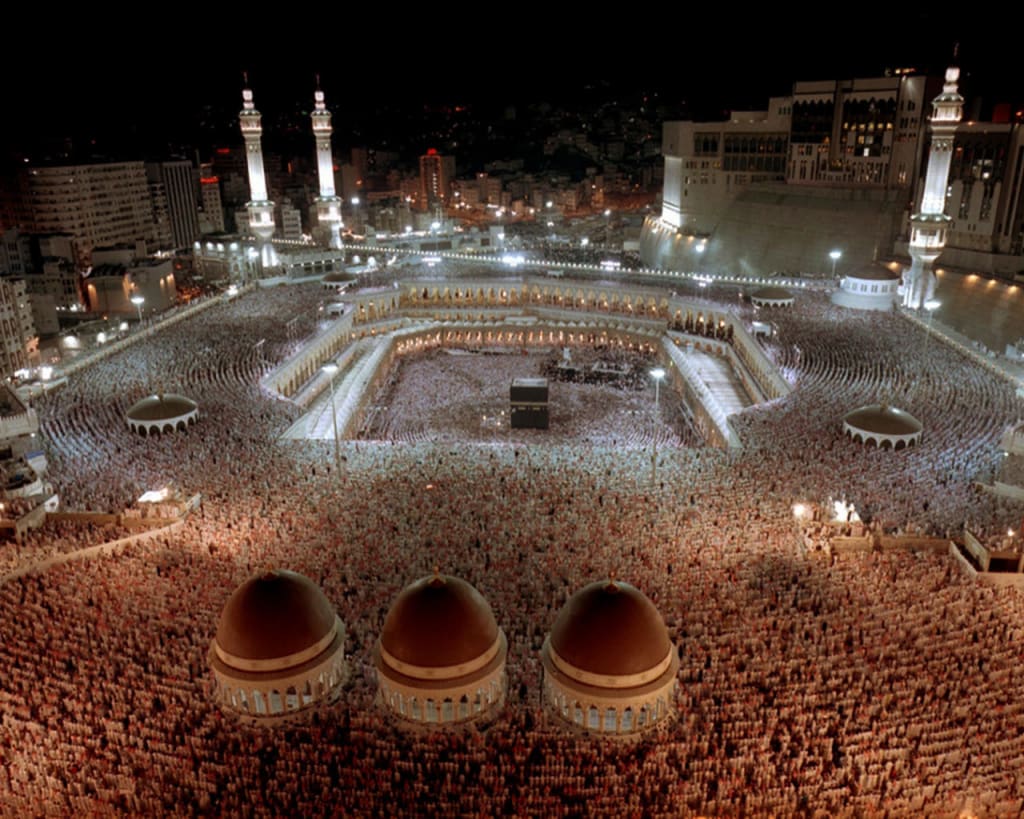
Islam is a major world religion, with over 1.8 billion followers, known as Muslims. It originated in the 7th century CE in the Arabian Peninsula, with the teachings of the Prophet Muhammad. The word "Islam" means submission to the will of God, and a Muslim is one who submits to God's commands.
The primary source of Islamic teachings is the Quran, which Muslims believe to be the literal word of God as revealed to Muhammad over a period of approximately 23 years. Alongside the Quran, Muslims also consider the Hadith, which are the recorded sayings, actions, and approvals of the Prophet Muhammad, to be an important source of guidance.
Central to Islamic belief is the concept of monotheism, or the belief in the oneness of God (Allah). Muslims believe that God is the creator of the universe and has complete authority over everything. They also believe in the existence of angels, prophethood, divine books (such as the Torah, Psalms, and Gospel), and the Day of Judgment.
The Five Pillars of Islam are fundamental acts of worship and religious obligations for Muslims:
Shahada: The declaration of faith, affirming that there is no god but Allah and Muhammad is his messenger.
Salah: The ritual prayer performed five times a day, facing the Kaaba in Mecca. It is a means of connecting with God and seeking His guidance.
Zakat: The giving of alms or charitable donations to the poor and needy. It is considered a purification of wealth and a means of social welfare.
Sawm: Fasting during the month of Ramadan, from dawn until sunset. Muslims abstain from food, drink, and other physical needs during daylight hours as an act of self-discipline and spiritual reflection.
Hajj: The pilgrimage to the holy city of Mecca in Saudi Arabia, which every able-bodied and financially capable Muslim is required to undertake at least once in their lifetime. It involves a series of rituals commemorating the life of Prophet Abraham and the unity of Muslims worldwide.
Islam emphasizes the importance of moral conduct, justice, and social responsibility. It encourages Muslims to be honest, compassionate, and just in their interactions with others. Islamic law, known as Sharia, encompasses guidelines for personal and social conduct, covering various aspects of life, including family, commerce, and governance.
It is important to note that there are different interpretations and practices within Islam, resulting in various sects and schools of thought. The two main denominations are Sunni and Shia, with Sunni Muslims being the majority.
Islam has had a significant impact on various aspects of human civilization, including art, science, architecture, literature, and philosophy. Islamic contributions in fields such as mathematics, astronomy, medicine, and literature have greatly influenced human knowledge and progress.
However, it's important to approach the topic of religion with respect and sensitivity, recognizing that individuals may have diverse beliefs and interpretations within any religious tradition.
Al Masjid Al Haram Holy Mosque
Al-Masjid al-Haram, also known as the Grand Mosque, is the holiest and largest mosque in Islam. It is located in the city of Mecca, Saudi Arabia. The mosque surrounds the Kaaba, the sacred structure towards which Muslims around the world face during their prayers.
The Kaaba is believed to have been built by the Prophet Abraham and his son Ishmael, and it is considered the most sacred site in Islam. Muslims believe that the Kaaba is the first house of worship ever built for the worship of the one true God. It serves as a focal point for Muslims during their prayers and is the destination for millions of Muslims who undertake the annual pilgrimage, known as Hajj.
The Grand Mosque itself is an impressive architectural structure that has undergone numerous expansions throughout history to accommodate the increasing number of worshippers. The most notable expansion took place under the direction of the Saudi Arabian government to accommodate the growing number of pilgrims.
The mosque covers an area of approximately 356,800 square meters (about 88 acres) and can accommodate millions of worshippers at a time. Its central feature is the Kaaba, which is covered by a black cloth called the Kiswa. The Kiswa is replaced annually during the Hajj pilgrimage.
The Grand Mosque is known for its distinctive architecture, with its most prominent feature being the tall clock tower known as the Abraj Al Bait Tower, which is visible from a distance. The mosque also houses several important sites, including the Well of Zamzam, which is believed to have provided water to the Prophet Ishmael and his mother Hagar when they were stranded in the desert.
During the Hajj pilgrimage, the Grand Mosque becomes a focal point for millions of Muslims from all over the world. Pilgrims perform a series of rituals, including circumambulating the Kaaba in a counter-clockwise direction, running between the hills of Safa and Marwa, and standing on the plain of Arafat. The Hajj is considered one of the five pillars of Islam and is an essential duty for able-bodied Muslims who can afford to undertake the journey.
The Grand Mosque holds immense spiritual significance for Muslims, and its visitation is considered a deeply profound experience. It is a symbol of unity, faith, and devotion for Muslims worldwide.
About the Creator
Keep reading
More stories from ismail abisola yunus and writers in Education and other communities.
THE HOLY QURAN
The Holy Quran, also spelled as Koran, is the central religious text of Islam. It is considered by Muslims to be a revelation from God (Allah) to the Prophet Muhammad through the angel Gabriel. The Quran is believed to have been revealed over a period of approximately 23 years, starting in 610 CE.
By ismail abisola yunus3 years ago in Education
How Do Server Storage Support Virtualization and Big Data Needs
Data keeps growing every single day. Businesses are creating and saving more files than ever before. According to a global data report, around 221 zettabytes of data are expected to be generated in 2026.
By Jessica Stephena day ago in Education
One Hard Thing
Stop me if you’ve heard this one before: You have the number, you know your schedule- you’ve even picked out the perfect day and time to make this appointment. Shoot, you’ve even picked out alternative days and times just in case their schedules can’t accommodate you!
By Taylor Rigsby2 days ago in Motivation



Comments
There are no comments for this story
Be the first to respond and start the conversation.