
A Responsible Approach for a Sustainable Future
A Responsible Approach for a Sustainable Future

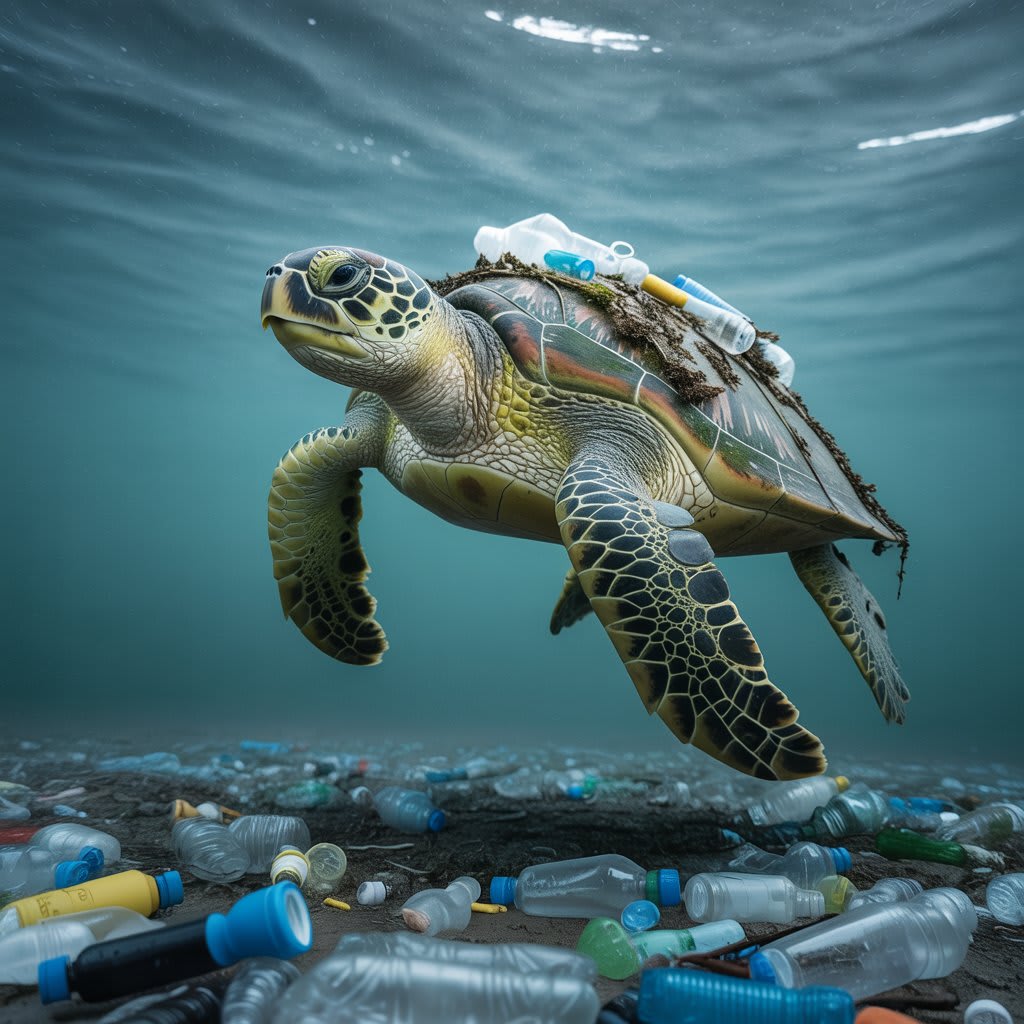
Plastic is one of the most revolutionary materials of modern times. Its discovery and widespread use have brought remarkable convenience to human life, transforming industries such as packaging, healthcare, construction, and transportation. However, plastic also poses serious environmental and health threats when misused or overused. Therefore, the focus today must shift from merely using plastic to using it properly. Responsible and mindful plastic use can help retain its benefits while minimizing the harmful consequences.
Understanding Plastic and Its Importance
Plastic is a synthetic material made from polymers, often derived from fossil fuels. Its characteristics—lightweight, durable, waterproof, moldable, and inexpensive—make it ideal for a wide range of applications. From the mobile phones in our hands to the medical syringes in hospitals, plastic has improved efficiency, hygiene, and affordability.
In agriculture, plastic films are used to cover soil and retain moisture. In the medical field, plastic is critical for sterile instruments, packaging, and protective gear. In electronics and automotive industries, plastic parts reduce weight and energy consumption. These uses show that plastic, when used correctly, can play a positive and essential role in our lives.
The Problem: Misuse and Overdependence
The problem is not plastic itself, but how we use and dispose of it. The majority of plastic used today is single-use: plastic bags, bottles, packaging, and straws. These items are used for minutes but remain in the environment for centuries. When improperly discarded, plastic clogs waterways, pollutes soil, and harms wildlife. Oceans are filled with plastic waste, affecting marine life and ecosystems.
Additionally, plastic waste that is not recycled often ends up being burned, releasing toxic chemicals into the air. Improper storage or heating of plastic containers can also lead to the release of dangerous chemicals into food or water.
Therefore, learning and practicing proper plastic use is crucial for sustainability.
Principles of Proper Plastic Use
To use plastic properly means to use it efficiently, minimally, safely, and responsibly. Here are key principles and practices:
1. Reduce Unnecessary Use
The first step in using plastic properly is to reduce its unnecessary use, especially single-use plastic. Avoid plastic bags by carrying reusable cloth or jute bags. Say no to plastic straws, cutlery, and disposable cups. Choose products with minimal plastic packaging or go for loose items when shopping.
2. Reuse Wherever Possible
Many plastic products are designed for single use but can be reused multiple times. For example, plastic bottles and containers can be cleaned and reused instead of being thrown away. Reusable plastic items such as lunch boxes, water bottles, and storage containers should be prioritized over disposable ones.
3. Recycle Correctly
Not all plastics are recyclable, and those that are often require proper sorting. Check for recycling symbols and follow local recycling guidelines. Clean and dry plastic waste before placing it in recycling bins. Support businesses that use recycled plastic products.
Recycling not only reduces landfill waste but also conserves resources and reduces greenhouse gas emissions during new plastic production.
4. Use Safe Plastics for Food Storage
Some plastics release harmful chemicals when exposed to heat or when used for storing food over long periods. Only use BPA-free and food-grade plastic containers for storing food. Do not microwave food in plastic containers unless they are labeled microwave-safe.
5. Support Biodegradable Alternatives
Biodegradable and compostable plastics made from natural materials such as corn starch or sugarcane are now available. While these may not be suitable for all applications, using them wherever possible (e.g., disposable plates and bags) can reduce environmental impact.
6. Educate and Spread Awareness
Proper use of plastic also involves education and awareness. Schools, offices, and communities should run awareness campaigns about the dangers of plastic misuse and promote good practices such as waste separation, recycling, and minimal use of disposables.
Role of Government and Industry
Governments play a vital role in regulating plastic production, usage, and disposal. Many countries have banned plastic bags and other single-use items. Policies that promote extended producer responsibility (EPR) can make manufacturers responsible for the disposal and recycling of the plastic they produce.
Industries must adopt sustainable packaging, use recycled materials, and invest in research to develop alternatives. Eco-friendly innovation and corporate responsibility are crucial for large-scale change.
Conclusion: A Balanced Approach
Plastic, when used properly, is not an enemy. It is a valuable resource that can enhance quality of life, reduce costs, and promote innovation. But irresponsible use and disposal have created environmental crises that threaten ecosystems and human health. The solution lies in a balanced and conscious approach: use less, use wisely, and dispose responsibly.
As individuals, we have the power to make better choices—carry a reusable bottle, refuse plastic straws, sort our waste, and teach others to do the same. If we all commit to the proper use of plastic, we can build a future where this modern material serves humanity without harming the planet.
About the Creator
Keep reading
More stories from Zakaria Muhammad and writers in Education and other communities.
The Simple Path to Sustainable Living
In an era where climate change, resource depletion, and environmental degradation dominate global conversations, sustainable living has emerged as a vital approach to fostering a healthier planet. Sustainable living refers to adopting lifestyles and practices that meet our needs without compromising the ability of future generations to meet theirs. It’s about making conscious choices to reduce our environmental footprint, conserve resources, and promote social and economic equity. This article explores the principles of sustainable living, practical steps individuals can take, and the broader impact of collective action.
By Zakaria Muhammad 8 months ago in Education
What staying up all night does to your brain
You’re just one Roman Empire history final away from a relaxing spring break. But you still have so much to study! So you decide to follow in the footsteps of many students before you and pull an all-nighter. When you stay up all night, you're fighting against your body's natural circadian rhythms. These are the cyclical changes that virtually all living things experience over the course of a 24-hour period— such as sleeping and waking— and they’re heavily influenced by light. But for the moment, you're alert and powering through
By Munesh Yadav about 9 hours ago in Education
🅼🅸🅳🅽🅸🅶🅷🆃 🆂🅽🅰🅲🅺🆂
"It's 10 in Tuscon! We all know what that means... It's Time for Midnight Snacks with your man, Gerald Gee! Ready to spend the night together? Me too! I'm full of snacks and can't wait to regurgitate them all back into your hungry ears. Crack a brew! Pop some corn! Anything to get ready for one hell of a show where the talk maybe cheap but the words cut deep...
By Lamar Wiggins6 days ago in Fiction




Comments
There are no comments for this story
Be the first to respond and start the conversation.