
A New Era of Creativity or the End of Human Designers?
Exploring the Impact of Artificial Intelligence on the Future of Fashion Creativity, Personalization, and Sustainability
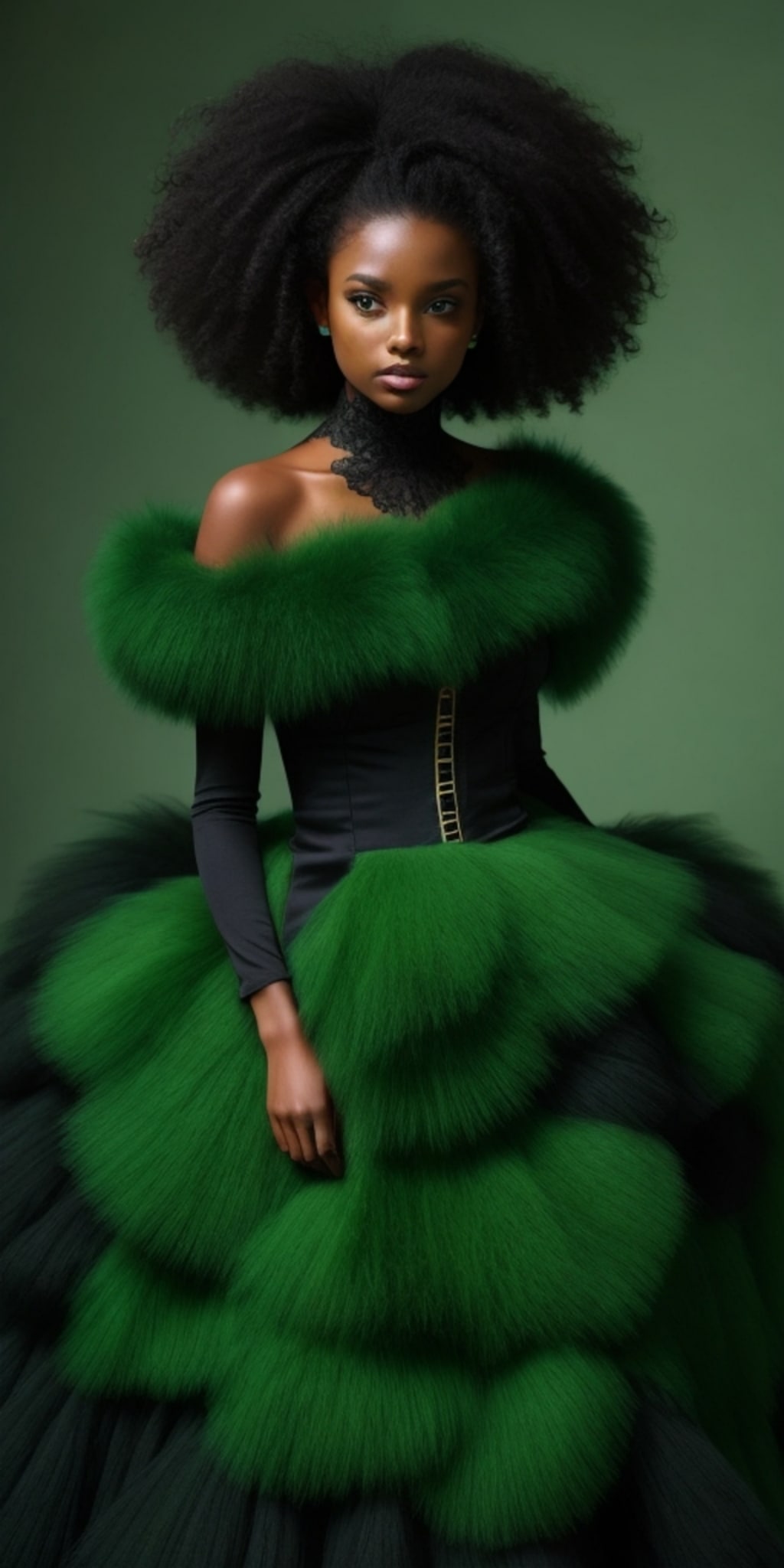
The fashion industry is undergoing a significant transformation, driven by the power of artificial intelligence (AI). What was once seen as the realm of creative minds, sketching and curating designs by hand, is now being infiltrated by algorithms, machine learning, and data analytics. AI-powered fashion design is not just a trend; it's a revolution that’s set to change how we approach clothing, from conception to production. But as AI begins to take a larger role in the fashion world, one must ask: is it enhancing creativity, or is it replacing the need for human designers altogether?
The Intersection of Fashion and Technology
Fashion, at its core, is about innovation and pushing boundaries. Over the years, we've seen technology become an integral part of the industry. From 3D printing to virtual fashion shows, the world of fashion has embraced technology in various ways. But AI takes this partnership a step further. Instead of just using technology to showcase or manufacture fashion, AI now plays a direct role in the design process itself.
Brands like Stitch Fix and The Fabricant have already begun experimenting with AI-driven designs. AI tools can analyze vast amounts of consumer data, trends, and historical design choices to predict what styles will be in demand, allowing for the creation of garments that are not only fashionable but also commercially viable. It’s a data-driven approach that could potentially revolutionize how we view trends and creativity in the fashion world.
AI’s Role in the Design Process
AI can be a game-changer in multiple stages of the design process. One of its most notable uses is in generating new fashion designs. By using machine learning algorithms, AI can take input from existing designs and then create entirely new pieces. For example, AI tools can recognize patterns, textures, and color combinations from thousands of past collections and combine them in ways that humans may not have considered. These AI-generated designs can then be refined and tailored by human designers, blending technology and tradition.
AI can also assist in pattern-making, fabric selection, and even draping garments. Tools like Tafi and CLO 3D are already helping designers create digital prototypes that allow them to visualize their designs in a virtual environment before making them physical. This not only speeds up the design process but also reduces waste and the need for costly physical samples.
Personalization and Consumer Engagement
One of the most exciting prospects of AI-powered fashion design is the ability to personalize fashion to an unprecedented level. By leveraging AI, brands can create garments that are tailored not just to individual preferences in style, but also to body shapes, sizes, and even environmental factors such as weather conditions. This level of personalization has the potential to reshape the way we shop and what we consider as "fashion."
AI-powered fashion design also allows for a more interactive consumer experience. Brands can use AI to gather data from customers—such as their style preferences, past purchases, and social media behavior—and then use this information to offer personalized recommendations or even design custom-made clothing. This shift could lead to a future where clothing is less about mass-market trends and more about unique, individualized fashion experiences.
Sustainability and Ethical Considerations
The fashion industry is notorious for its environmental impact, with fast fashion contributing to pollution, textile waste, and exploitation of resources. AI can play a crucial role in improving sustainability within the industry. By optimizing designs and production processes, AI can reduce waste. For example, AI algorithms can suggest more efficient ways to cut fabric, thereby minimizing waste during the manufacturing process.
Moreover, AI can help brands predict trends more accurately, allowing them to produce collections in limited quantities, which could potentially curb overproduction and the resulting waste associated with unsold garments.
AI can also assist in the development of eco-friendly fabrics by predicting new, sustainable material combinations or even creating completely new materials. These advancements could allow for a future where fashion is not just about looking good but also about doing good for the planet.
Challenges and Ethical Concerns
Despite its many benefits, the rise of AI in fashion design raises several ethical and societal concerns. The most pressing question is the potential loss of jobs. As AI takes over more aspects of the design process, there is a real fear that human designers and pattern makers may become obsolete. While AI can certainly aid designers, it may also replace entry-level jobs or reduce the need for traditional craftsmanship in fashion.
Additionally, there are concerns around the role of creativity. Can AI truly be creative, or is it simply replicating what has already been done? Fashion is often seen as an art form, and many question whether algorithms can replace the human intuition and emotion that go into creating a truly original piece of clothing. There is also the question of intellectual property, as AI-generated designs blur the lines between what can be attributed to a human creator versus a machine.
The Future of AI in Fashion Design
While AI is already making waves in the fashion industry, it is still in the early stages. As AI technology advances, its role in fashion design will only grow more prominent. We may eventually see the rise of AI-only fashion brands, where algorithms create and sell designs without any human intervention. However, the human touch will likely remain integral to fashion, as designers bring the artistry, intuition, and personal expression that AI cannot replicate.
In the coming years, we may witness a hybrid approach, where AI and human creativity work hand in hand, optimizing both efficiency and originality. This could lead to an exciting future where fashion design is faster, more personalized, and more sustainable, all while retaining the artistic soul that has made the fashion world so unique.
Conclusion
The rise of AI-powered fashion design presents an exciting, albeit controversial, new chapter in the industry. As artificial intelligence continues to evolve, it will undoubtedly reshape how fashion is designed, produced, and consumed. Whether AI will empower designers or replace them remains to be seen, but one thing is certain: the future of fashion is bound to be a fascinating fusion of technology and creativity.
About the Creator
Why Did Einstein Dislike Quantum Mechanics? The Greatest Scientific Disagreement Ever
Einstein Helped Create Quantum Mechanics It is often forgotten that Einstein was a pioneer of quantum physics. In 1905, Einstein proposed that light comes in discrete packets called photons. This explained the photoelectric effect and earned him the Nobel Prize. His work was one of the pillars of quantum theory.
By shahkar jalal7 days ago in Education
Digital Signage Solutions Supporting Communication in Schools
I still remember the chaos of my first week as a communications coordinator at a mid-sized university. Between emergency alerts that never reached students, event posters peeling off bulletin boards, and faculty members who couldn't find the right room for meetings, I realized our campus communication system was stuck in the 1990s. That experience changed how I think about information flow in educational settings.
By Jerry Kane 6 days ago in Education




Comments
There are no comments for this story
Be the first to respond and start the conversation.