
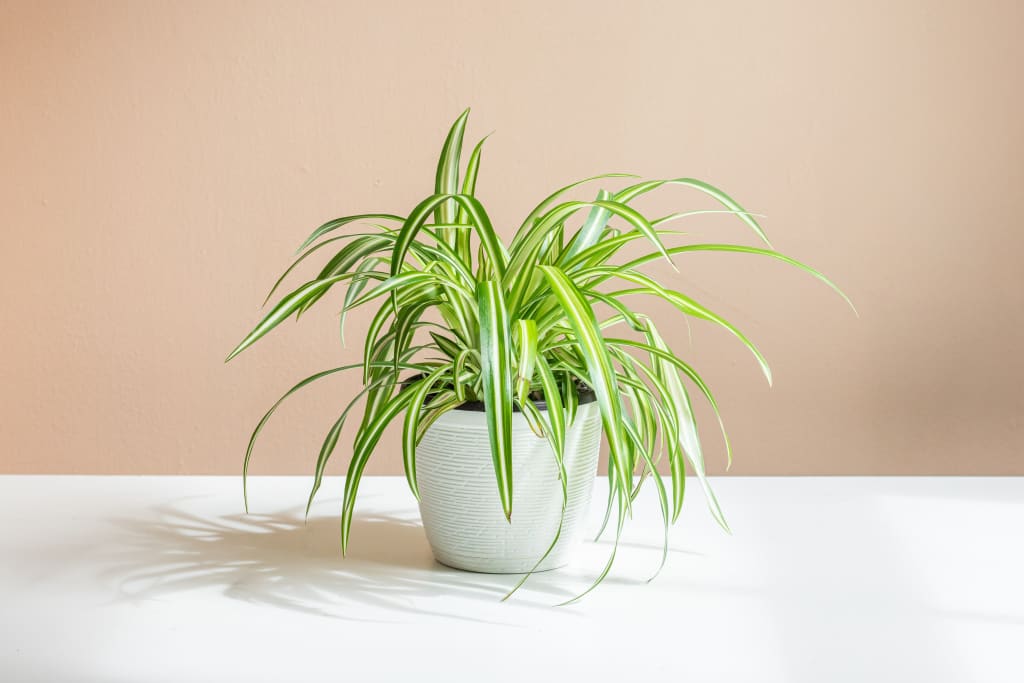
I never really had a real hobby. I just didn't know where to start and when I did it was difficult for me to continue for long enough to matter. My first gardening attempt didn't go very well because I always over watered them or didn't water them enough. It is quite sad. But then - when I thought I would never like plants - I finally did.
Plants are living wonders that bring beauty, freshness, and life to our surroundings. Whether you have a spacious garden, a cozy balcony, or just a small windowsill, growing and caring for plants can be a fulfilling and rewarding experience. To ensure your plants thrive and flourish, it's essential to understand some basic principles of plant care.
Watering is one of the most critical aspects of plant care. Just like humans need water to survive, plants require water to grow and stay healthy. Different plants have varying water needs, so it's important to learn about your specific plant's requirements. Overwatering can drown the roots, leading to rot, while underwatering can cause dehydration and wilting. To strike the right balance, check the soil's moisture level by inserting your finger about an inch deep into the soil. If it feels dry, it's time to water. Remember, it's better to water deeply and less frequently than to give small amounts frequently.
Sunlight is another essential factor in a plant's life. Sunlight helps plants convert energy through photosynthesis, allowing them to produce their food. Different plants have different sunlight preferences. Some thrive in direct sunlight, while others prefer partial or even full shade. Observe your plant's behavior – if it leans towards the light source or its leaves turn pale, it might need more sunlight. On the other hand, if the leaves are getting scorched or turning brown, it could be getting too much sun.
Soil quality plays a significant role in plant growth. Good quality soil provides essential nutrients, proper drainage, and aeration to the roots. Most plants prefer well-draining soil that retains some moisture but doesn't become waterlogged. You can enhance your soil's quality by adding compost or other organic matter. Regularly repotting your plants also helps refresh the soil and provides more space for the roots to grow.
Feeding your plants is like giving them a balanced diet. Nutrient-rich soil is beneficial, but over time, plants can deplete these nutrients. Fertilizing provides the extra boost of nutrients they need. There are various types of fertilizers available, including liquid, granular, and slow-release options. Follow the instructions on the fertilizer packaging and avoid over-fertilizing, as it can harm the plants.
Pruning and grooming are essential for maintaining a plant's health and appearance. Pruning involves removing dead or diseased leaves and stems, which can help prevent the spread of pests and diseases. Grooming includes regular tasks like removing spent flowers or pinching back growth to encourage bushier growth. Both practices help your plants allocate their resources more effectively.
Pests and diseases are common challenges that gardeners face. Keeping a watchful eye on your plants can help you detect any issues early. If you notice discolored leaves, holes, or unusual growths, it's time to investigate. There are various organic methods for controlling pests, such as using neem oil or introducing beneficial insects. For diseases, it's often best to remove and destroy the affected parts of the plant to prevent the spread.
In conclusion, I think you can't give up on something, just because you might fail sometimes. You need to try again and give it everything and if you fail you must do the same again. Good luck.
About the Creator
The Role of Mentorship Circles in Shaping Resilient Entrepreneurs
Launching a startup in today’s competitive environment is as much about mindset as it is about innovation. While market knowledge and capital matter, resilience often defines whether a business survives its early stages. One of the most powerful tools in building that resilience is participation in mentorship circles, where emerging entrepreneurs learn, grow, and evolve under the guidance of experienced business leaders.
By Greg Warnockabout 3 hours ago in Education
Everyday Motion Explained, What Modern Kinesiology Teaches Us About How We Move
Modern kinesiology has changed how we understand the way people move each day. It examines how muscles, joints, and nerves work together during simple actions such as walking, reaching, or sitting. Instead of focusing solely on sports or injury, modern kinesiology studies daily movement and its effects it comfort, balance, and energy. This field shows that small habits shape how the body feels over time, even when pain is not present.
By Kelln Smallabout 5 hours ago in Education


Comments
There are no comments for this story
Be the first to respond and start the conversation.