
A Comprehensive Guide to Car and Home Window Tinting
Enhance Comfort, Privacy, and Energy Efficiency with Professional Window Tinting Solutions
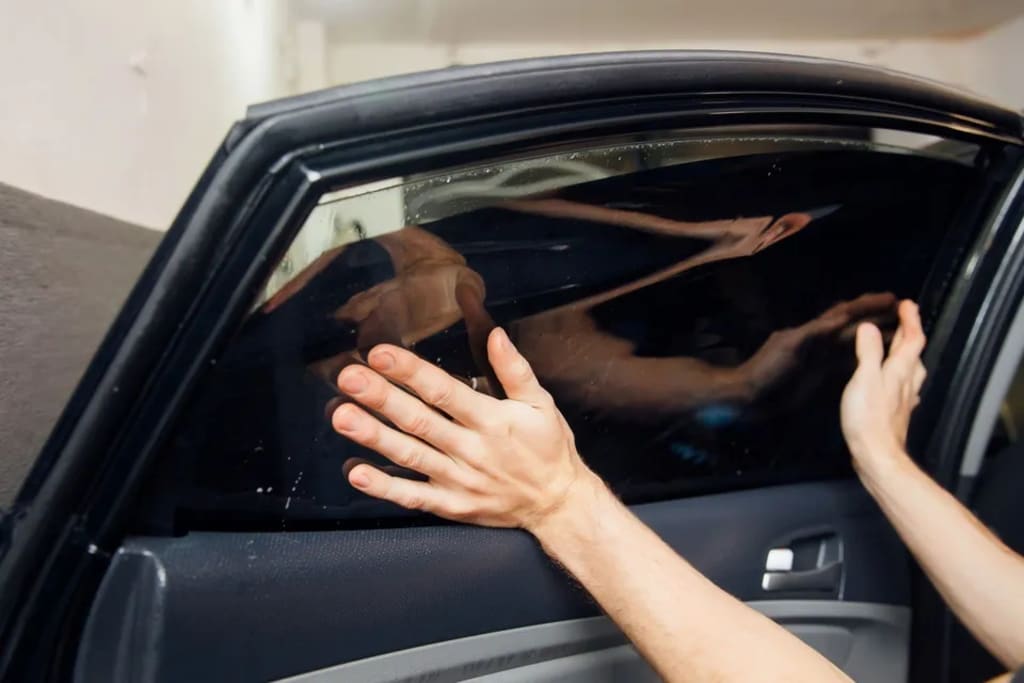
Experts say window tinting is a popular choice for many car and homeowners, offering a range of benefits that go beyond just aesthetics. It can improve comfort, enhance privacy, protect against harmful UV rays, and even help save on energy costs. Whether you're considering tinting your car or home windows, understanding the advantages, types of tint, and what to expect during installation can help you make an informed decision.
Why Tint Your Windows? The Benefits Explained
Tinted windows provide more than just a sleek appearance. Here are some of the primary advantages of tinting windows in both vehicles and homes:
UV Protection
One of the most important benefits of window tinting is its ability to block harmful UV rays. Ultraviolet (UV) rays can be damaging to the skin, causing premature aging and increasing the risk of skin cancer. Window tint can block up to 99% of UV rays, making it an excellent choice for those who spend extended periods in their car or want to protect their home interiors from sun damage.
Reduced Glare
Glare can be uncomfortable and even dangerous, especially when driving. Window tinting reduces glare from the sun and other sources, enhancing visibility and comfort. For homes, this is particularly useful in rooms with large windows that receive direct sunlight, as it reduces eye strain and helps create a more comfortable living environment.
Improved Privacy
Privacy is another key advantage of window tinting. For car owners, window tint provides a layer of security by obscuring the view into the vehicle. This is particularly useful if you often leave valuable items in your car. In homes, tinted windows can make it difficult for outsiders to see inside, offering privacy without the need for blinds or curtains during the day.
Energy Savings
Window tinting can help reduce energy costs in both cars and homes. In homes, tinted windows can block heat during hot weather, reducing the need for air conditioning and potentially lowering your electricity bills. Similarly, in cars, tinted windows help keep the interior cooler, which means less reliance on the air conditioning system. Over time, these savings can add up significantly.
Enhanced Safety
Car and home window tints can also improve safety by holding shattered glass together in the event of an accident or break-in attempt. While the tint may not prevent glass from breaking, it can reduce the spread of glass shards, lowering the risk of injury. This makes it a valuable feature for families, pet owners, and anyone concerned about safety.
Types of Window Tinting
There are several types of window tinting options available, each offering unique benefits and features. Here are the main types you’ll find:
Dyed Window Tint
Dyed window tint is one of the most common types. It consists of a layer of dye that absorbs sunlight, which helps reduce glare and heat. While it’s affordable and provides good privacy, it may not be as effective at blocking UV rays as other options, and it can fade over time.
Metalized Window Tint
Metalized window tinting involves tiny metallic particles embedded in the film, which reflect heat and UV rays. This type of tint is more durable than dyed tint, offers excellent heat reduction, and strengthens the glass. However, it may interfere with radio and GPS signals due to its metallic composition.
Carbon Window Tint
Carbon window tint does not contain any metal, which means it won’t interfere with electronics. It offers a matte finish and excellent UV protection, and it’s known for its durability. Carbon tint blocks infrared light, making it highly effective for reducing heat and maintaining a comfortable temperature.
Ceramic Window Tint
Ceramic window tint is one of the best options available, providing superior UV protection and heat rejection. It doesn’t contain metal or dyes, so it won’t interfere with electronic devices, nor will it fade over time. Ceramic tints are typically more expensive, but they offer the highest level of performance and durability.
The Window Tinting Process
Knowing what to expect during the window tinting process can help you feel more comfortable with your decision. Whether you’re tinting car windows or home windows, here’s a general outline of the steps involved:
- Consultation: You’ll discuss your needs with a professional, who can help you choose the right type of tint and explain the benefits of each option.
- Preparation: The windows are cleaned thoroughly to remove any dust, dirt, or oils that could interfere with the adhesion of the tint.
- Cutting the Film: The tint film is cut to match the dimensions of your windows. Professionals use precision tools to ensure an accurate fit.
- Application: The tint film is applied to the inside of the window and smoothed out to eliminate air bubbles. This process requires skill to ensure a flawless finish.
- Curing: Once the film is applied, it needs time to cure and fully adhere to the window. Depending on the type of film and weather conditions, this can take anywhere from a few days to a couple of weeks.
- Final Inspection: The installer will check the tint for any imperfections and make any necessary adjustments. After the tint has cured, you’ll be advised on how to care for it properly.
Common Questions About Window Tinting
How Long Does Window Tint Last?
The lifespan of window tint depends on the type of film, quality of installation, and exposure to sunlight. Higher-quality films like ceramic tints can last up to 10 years or more, while cheaper dyed films may need to be replaced within a few years.
Will Window Tint Affect My Visibility?
Quality window tint should not drastically affect your visibility. Tinting professionals will work with you to choose a shade that provides privacy without significantly reducing visibility, especially for car windows.
Can Window Tint Be Removed?
Yes, window tint can be removed if you decide to change it or no longer want it. A professional can safely remove the film without damaging your windows.
How Much Does Window Tinting Cost?
The cost varies depending on the type of tint, the number of windows, and the installation provider. While prices can range widely, remember that higher-quality films tend to be more expensive but offer better durability and performance.
Choosing a Professional Tinting Service
Selecting a reliable and experienced tinting service is essential to ensure quality results. Extreme Clean, for example, offers professional window tinting services with a variety of film options to suit different needs. They have a team of skilled technicians who can help you choose the best type of tint and ensure a flawless installation.
Conclusion
Window tinting is a versatile and valuable addition to both vehicles and homes. It provides essential protection from UV rays, helps save energy, and enhances privacy. With various types of tinting available, you can choose the option that best meets your needs and budget. By understanding the benefits and the process, you can enjoy the many advantages of tinted windows for years to come.
Window tinting can help reduce energy costs in both cars and homes. In homes, tinted windows can block heat during hot weather, reducing the need for air conditioning and potentially lowering your electricity bills. Similarly, in cars, tinted windows help keep the interior cooler, which means less reliance on the air conditioning system. Over time, these savings can add up significantly.
Enhanced Safety
Car and home window tints can also improve safety by holding shattered glass together in the event of an accident or break-in attempt. While the tint may not prevent glass from breaking, it can reduce the spread of glass shards, lowering the risk of injury. This makes it a valuable feature for families, pet owners, and anyone concerned about safety.
Types of Window Tinting
There are several types of window tinting options available, each offering unique benefits and features. Here are the main types you’ll find:
Dyed Window Tint
Dyed window tint is one of the most common types. It consists of a layer of dye that absorbs sunlight, which helps reduce glare and heat. While it’s affordable and provides good privacy, it may not be as effective at blocking UV rays as other options, and it can fade over time.
Metalized Window Tint
Metalized window tinting involves tiny metallic particles embedded in the film, which reflect heat and UV rays. This type of tint is more durable than dyed tint, offers excellent heat reduction, and strengthens the glass. However, it may interfere with radio and GPS signals due to its metallic composition.
Carbon Window Tint
Carbon window tint does not contain any metal, which means it won’t interfere with electronics. It offers a matte finish and excellent UV protection, and it’s known for its durability. Carbon tint blocks infrared light, making it highly effective for reducing heat and maintaining a comfortable temperature.
Ceramic Window Tint
Ceramic window tint is one of the best options available, providing superior UV protection and heat rejection. It doesn’t contain metal or dyes, so it won’t interfere with electronic devices, nor will it fade over time. Ceramic tints are typically more expensive, but they offer the highest level of performance and durability.
The Window Tinting Process
Knowing what to expect during the window tinting process can help you feel more comfortable with your decision. Whether you’re tinting car windows or home windows, here’s a general outline of the steps involved:
Consultation: You’ll discuss your needs with a professional, who can help you choose the right type of tint and explain the benefits of each option.
- Preparation: The windows are cleaned thoroughly to remove any dust, dirt, or oils that could interfere with the adhesion of the tint.
- Cutting the Film: The tint film is cut to match the dimensions of your windows. Professionals use precision tools to ensure an accurate fit.
- Application: The tint film is applied to the inside of the window and smoothed out to eliminate air bubbles. This process requires skill to ensure a flawless finish.
- Curing: Once the film is applied, it needs time to cure and fully adhere to the window. Depending on the type of film and weather conditions, this can take anywhere from a few days to a couple of weeks.
- Final Inspection: The installer will check the tint for any imperfections and make any necessary adjustments. After the tint has cured, you’ll be advised on how to care for it properly.
Common Questions About Window Tinting
How Long Does Window Tint Last?
The lifespan of window tint depends on the type of film, quality of installation, and exposure to sunlight. Higher-quality films like ceramic tints can last up to 10 years or more, while cheaper dyed films may need to be replaced within a few years.
Will Window Tint Affect My Visibility?
Quality window tint should not drastically affect your visibility. Tinting professionals will work with you to choose a shade that provides privacy without significantly reducing visibility, especially for car windows.
Can Window Tint Be Removed?
Yes, window tint can be removed if you decide to change it or no longer want it. A professional can safely remove the film without damaging your windows.
How Much Does Window Tinting Cost?
The cost varies depending on the type of tint, the number of windows, and the installation provider. While prices can range widely, remember that higher-quality films tend to be more expensive but offer better durability and performance.
Choosing a Professional Tinting Service
Selecting a reliable and experienced tinting service is essential to ensure quality results. Extreme Clean, for example, offers professional window tinting services with a variety of film options to suit different needs. They have a team of skilled technicians who can help you choose the best type of tint and ensure a flawless installation.
Conclusion
Window tinting is a versatile and valuable addition to both vehicles and homes. It provides essential protection from UV rays, helps save energy, and enhances privacy. With various types of tinting available, you can choose the option that best meets your needs and budget. By understanding the benefits and the process, you can enjoy the many advantages of tinted windows for years to come.
About the Creator
Keep reading
More stories from Susan Scava and writers in Education and other communities.
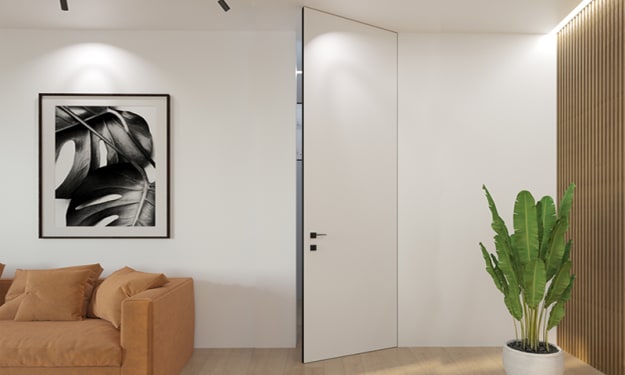
Elevate Your Home’s Design with Concealed Doors: Buy Concealed Doors in Toronto
For those looking to buy concealed doors in Toronto, finding a quality product that seamlessly blends into the interior walls while providing both function and style is crucial. Concealed doors, also known as hidden or flush doors, are becoming popular in modern design. These doors are installed in such a way that they appear almost invisible when closed, offering a minimalist look that enhances the aesthetics of any room. Door store https://triodoors.ca/ provides a range of concealed doors that perfectly blend form and function for any interior.
By Susan Scavaabout a year ago in Education
What the System Forces You to Become
The Question the System Replaces By the time a person has passed through employment law, healthcare coverage rules, unemployment insurance, disability determination, and benefit eligibility, the relevant question has already shifted without ever being stated out loud. It is no longer whether the system helped or failed them. It is whether they managed to remain legible long enough to survive it. Each institutional layer imposes requirements that appear reasonable when viewed in isolation, yet become coercive when experienced sequentially:
By Peter Thwing - Host of the FST Podcast7 days ago in Education
The “Slave Bible”: The Controversial Holy Book Designed to Prevent Rebellion
In the early nineteenth century, a heavily edited version of the Bible was printed with a singular and deeply troubling purpose: to control enslaved Africans and discourage rebellion. Today, this rare publication—commonly known as the “Slave Bible”—is one of the most controversial religious texts in history. Only four copies are known to exist in the world.
By Irshad Abbasi 3 days ago in Education



Comments
There are no comments for this story
Be the first to respond and start the conversation.