
A Beginner's Guide to Chess
Part 1: How the Pieces Move


Historians have traced chess back to its origins in 6th-century India as a game called chaturanga, a four-part military game that shares little with the modern version. Throughout the centuries, chess spread through the East and reached Europe by the 1400s, where many modern rules and pieces were established. In the 19th century, formal chess federations and competitions began, ushering in a modern era in the 20th and 21st centuries.
Today, around 600 million people play chess regularly, with an estimated 700 million knowing the basic moves, out of 8 billion on the planet. Odds are that you don’t know how to play chess, which is likely why you started reading this article. Hi, I’m M1, and this is the first installment of my Medium series on learning the basics of chess: how the pieces move.
A chessboard looks like this:
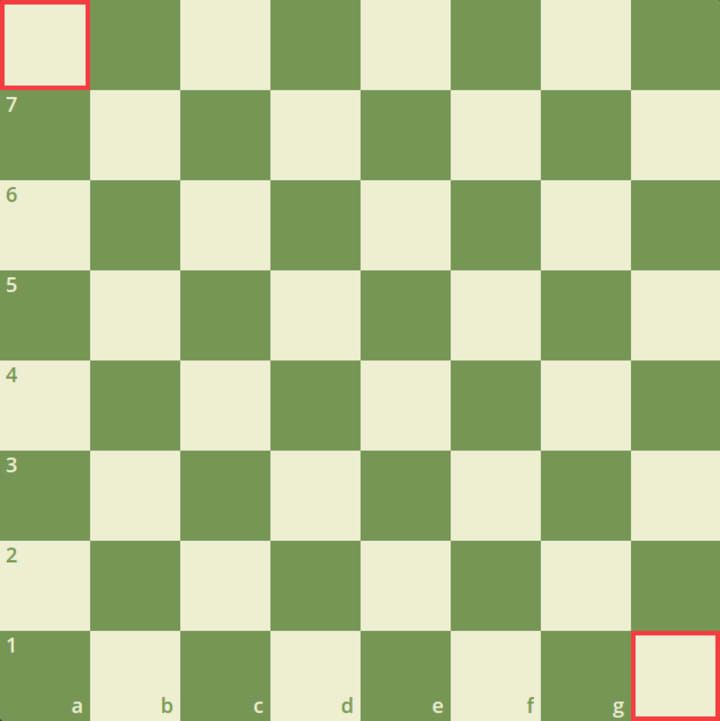
There are eight ranks (side-side) and eight files (up-down) for a total of sixty-four squares on the board. The starting position looks like this:
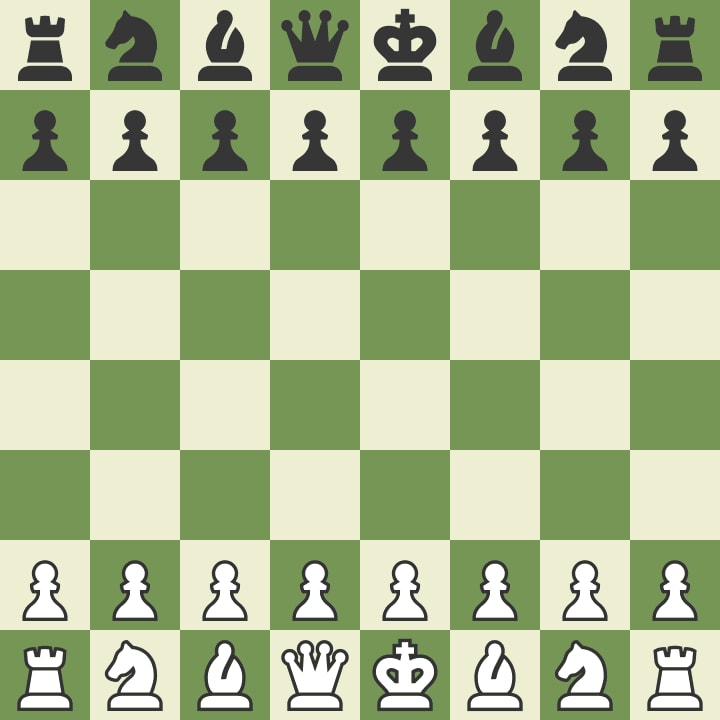
That may look a little overwhelming, so let’s break it down piece by piece.
The Pawns
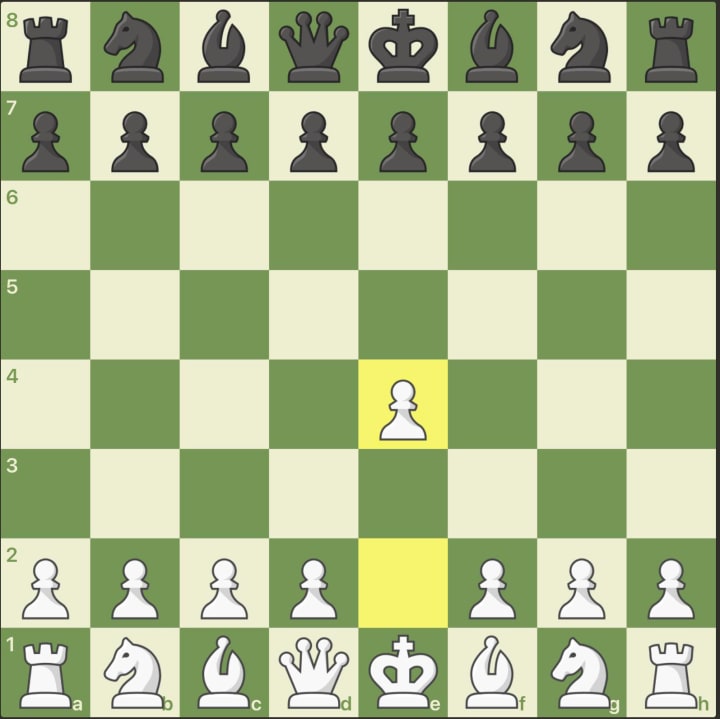
Pawns are the most common piece in chess and make up the majority of your army — perhaps this is why they start on the front lines. A pawn has three common moves: usually, it will move one space forward; however, on its first turn, it may move two spaces:
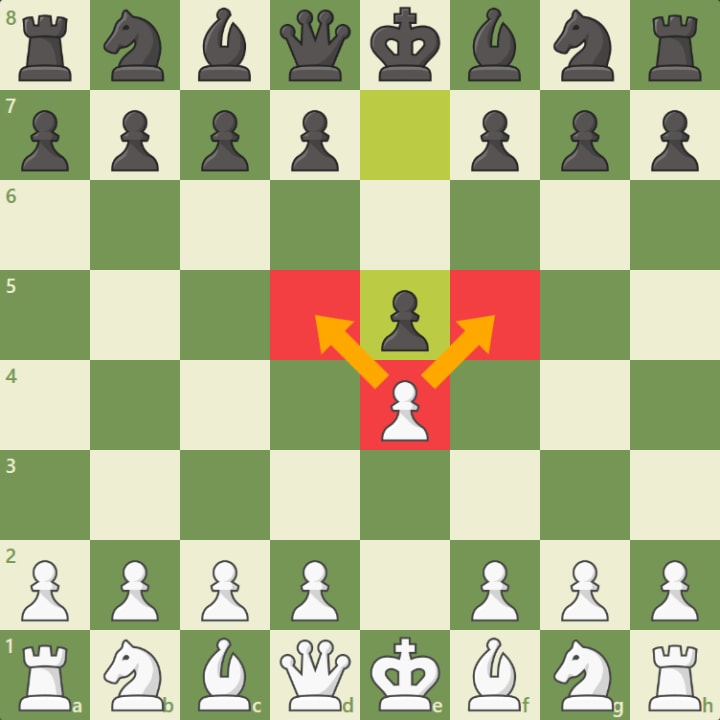
Additionally, the pawn captures diagonally:
The Bishop
Bishops are the two tall pieces to the left and right of the king and queen, respectively. They move in straight lines on the diagonals:
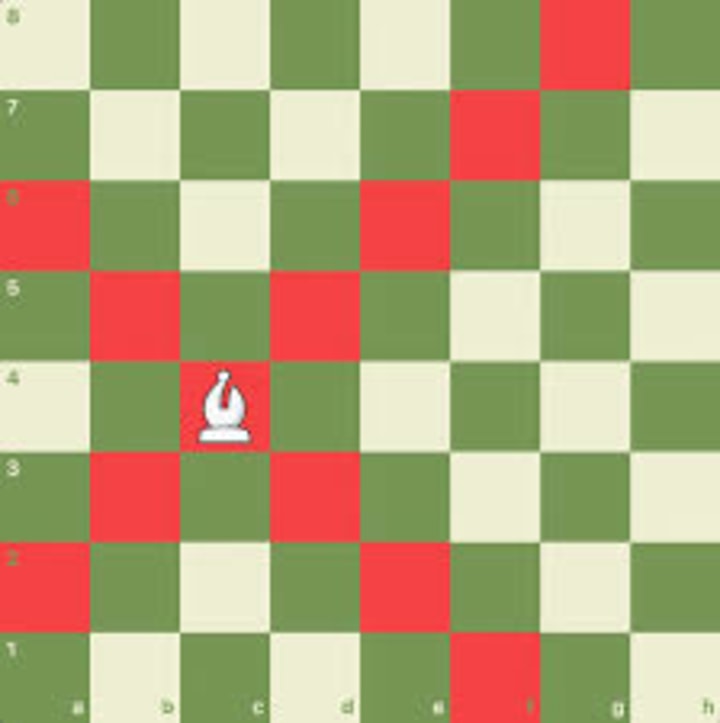
Note that this restricts the bishop to one color square.
The Knights
Knights (or horses) are the horse pieces next to the bishops. These are perhaps the most complex piece, moving in an L-shape forwards and backwards:
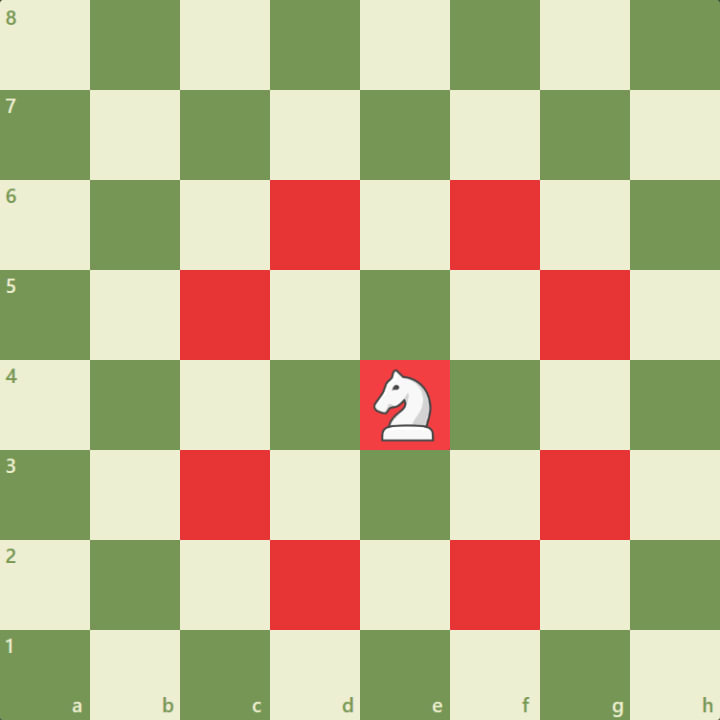
This causes the knights to switch colors with each move
The Rooks
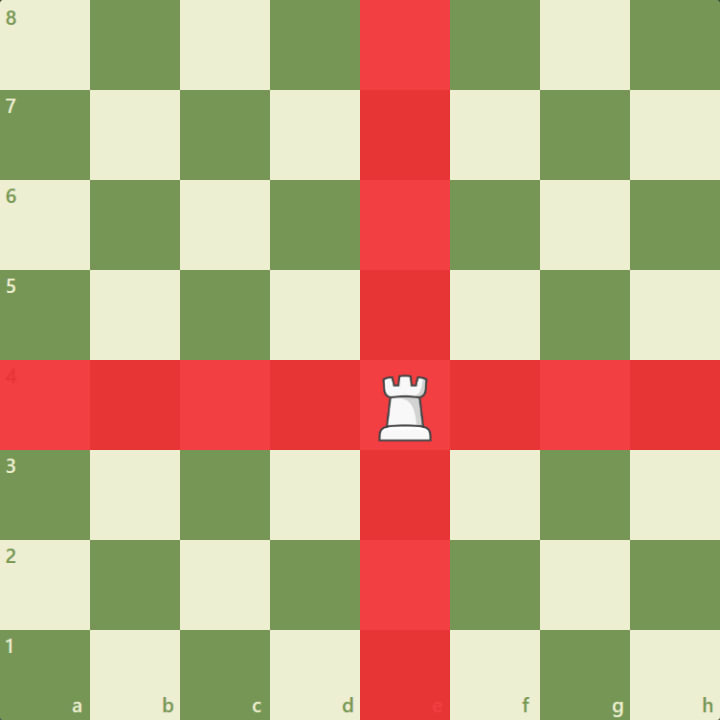
Rooks (or towers) are the castle-shaped pieces next to the knights on the edge of the back rank. Rooks are the counterparts to bishops, moving backwards and forwards in straight lines:
The Queen
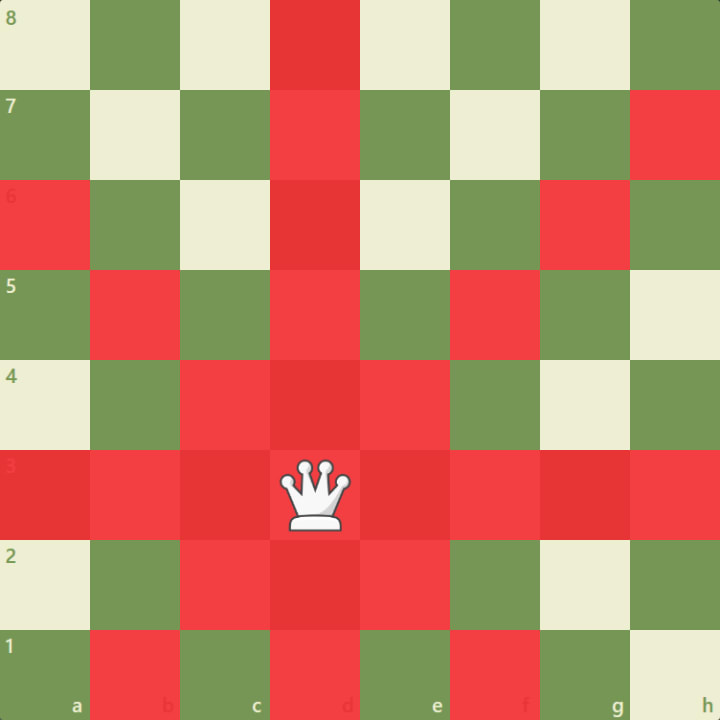
The queen is the most powerful piece on the board, with good reason. The queen is like a combination of bishops and rooks — it can move along any rank and column, as well as diagonally:
The King
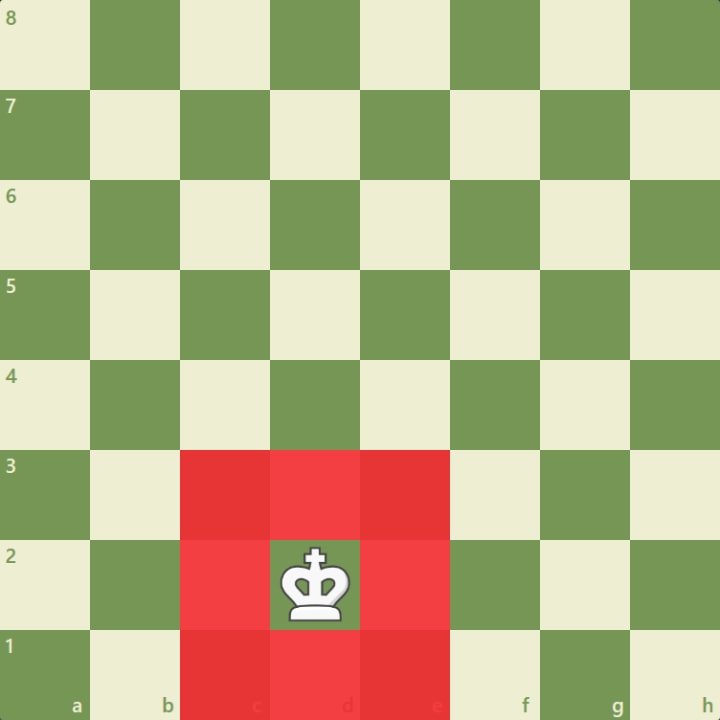
The king is the most important piece, but the most immobile after pawns. It can move in any direction, but only one square at a time:
Additional Moves
There are two special moves to keep in mind: En Passant (for pawns), and castling (for kings and rooks). After a pawn moves two squares on its first turn, an opposing pawn is allowed to capture on the square behind the pawn in a movement called En Passant:
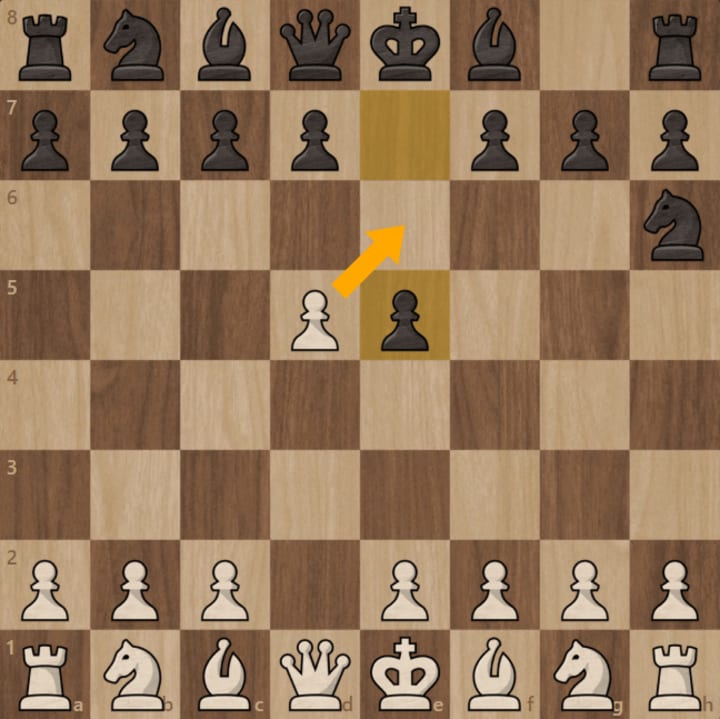
This move can only happen on the same move that the opposing pawn moves two spaces — if white waits even one move in the above scenario, En Passant is no longer valid.
Castling is more common. If there are no spaces between the king and the rook, the king isn’t in danger, and neither the rook nor the king has moved, castling is legal (assuming the king isn’t moving through danger):
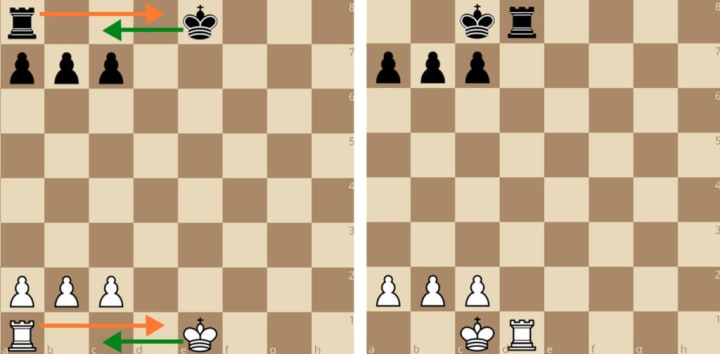
Remember — no piece (save the knight) can move through other pieces. If a piece lands on an opposing piece, it captures that piece. Finally, all pieces can move backwards except for pawns.
With that, you should know how the chess pieces move. Be sure to share this with other beginners, and stay tuned so that you don’t miss out on Part 2: Playing (and winning) the Game
-M1
About the Creator
Mate In 1
Chess enthusiast - let's improve together!
Medium: https://medium.com/@matein1
Youtube: https://www.youtube.com/@M8-In-0ne
Keep reading
More stories from writers in Education and other communities.
Image-to-text technology, also known as Optical Character
Image-to-text technology, also known as Optical Character Recognition (OCR), has transformed the way we interact with visual information. It allows machines to extract text from images, enabling various applications across multiple industries. From digitizing printed documents to reading text from scanned images, OCR plays a vital role in making printed content accessible, editable, and searchable. The need for such technology has grown exponentially with the increasing reliance on digital data and the rapid shift from physical to digital content in nearly all sectors of life. As the digital world continues to expand, image-to-text technology has paved the way for more seamless workflows, enabling businesses and individuals alike to save time, effort, and resources.
By Alexander Jackson5 days ago in Education
Most Sales Deals Fail Because Sellers Talk to the Wrong People
There is a quiet reason many sales conversations feel productive but go nowhere. Everyone leaves the call optimistic. Emails move back and forth. Documents get shared. Then momentum fades. Weeks pass. The deal stalls without a clear explanation.
By Armi Ponsica3 days ago in Education



Comments
There are no comments for this story
Be the first to respond and start the conversation.