
7 Essential Facts About Peripheral Artery Disease
PAD affects millions, causing serious complications.
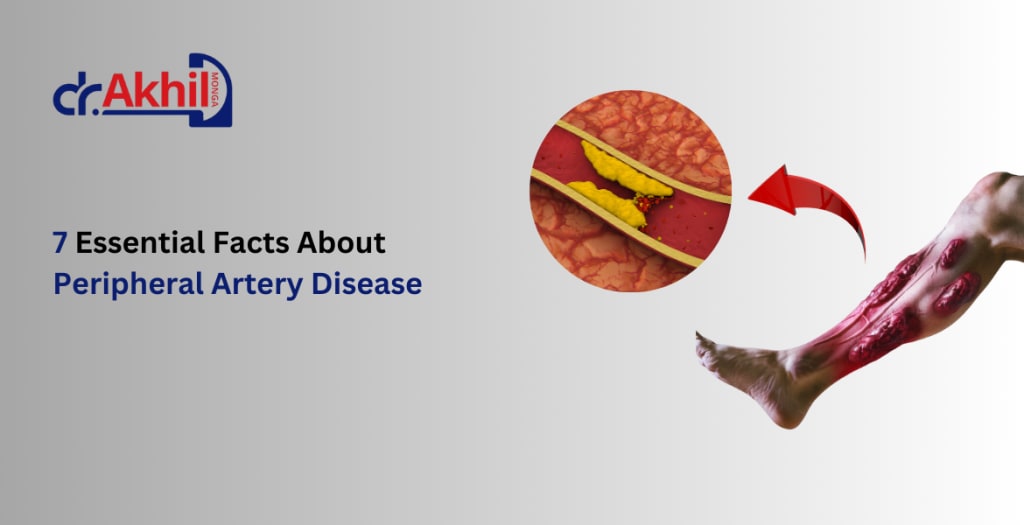
1. What is Peripheral Artery Disease (PAD)?
Peripheral Artery Disease is a condition where the blood vessels in your legs become narrowed or blocked, reducing blood flow to your limbs. This is typically caused by the buildup of plaque (atherosclerosis), which can be further exacerbated by factors like smoking, high cholesterol, and diabetes.
When blood flow to the legs is restricted, it can lead to painful symptoms, difficulty walking, and, in severe cases, complications such as ulcers or gangrene. PAD is a condition that primarily affects older adults, though lifestyle factors can increase the risk at any age.
2. Common Symptoms of PAD
Recognising the signs of PAD early can help manage the condition before it worsens. Key symptoms of PAD include:
Leg pain or cramping, especially when walking or exercising (called claudication).
Numbness or weakness in the legs, may make it difficult to walk or stand.
Cold or pale feet, indicating poor circulation.
Non-healing sores or ulcers on the legs or feet that don’t improve with normal treatment.
If you experience these symptoms, it’s crucial to consult a healthcare provider for a more precise diagnosis and prompt treatment.
3. PAD Diagnosis: How It’s Identified
PAD can often be diagnosed through a combination of physical exams and non-invasive tests. The diagnostic process usually includes:
Physical examination: Your doctor may check the pulses in your legs and feet to identify areas where blood flow may be compromised.
Ankle-Brachial Index (ABI): A test that compares the blood pressure in your ankles with that in your arms to check for PAD.
Doppler ultrasound or angiography: These imaging techniques help visualise the blood flow in your arteries and identify blockages or narrowing.
Early detection is fundamental in preventing the progression of PAD and reducing the risk of severe complications.
4. Risk Factors for PAD
Certain lifestyle factors and health conditions can raise the risk of developing PAD. Common risk factors include:
Age: People over 50 are at higher risk, particularly those with additional risk factors.
Diabetes: Increased blood sugar levels can harm blood vessels, increasing the likelihood of PAD.
Smoking: Smoking accelerates the development of plaque in the arteries, contributing to PAD.
High cholesterol and high blood pressure: Both can contribute to the development of plaques in the arteries.
Family history: A history of heart disease or PAD in the family can increase the risk.
Understanding these risk factors can help you take preventative measures and manage your health effectively.
5. Treatment Options for PAD
PAD treatment is essential for improving circulation, managing symptoms, and preventing severe complications. Treatment options vary relying on the severity of the disease:
Non-surgical treatments: Lifestyle changes such as regular exercise, smoking cessation, and a healthy diet are crucial. Medications like cholesterol-lowering drugs, blood thinners, and antihypertensives can also help.
PAD angioplasty: This minimally invasive procedure involves inserting a tiny balloon into the narrowed artery to widen it and restore blood flow.
PAD stenting: In some cases, a stent (a narrow metal mesh tube) is placed in the artery to keep it open after angioplasty, preventing further narrowing.
These treatments can significantly improve blood flow and quality of life for PAD patients.
6. Foot Gangrene and Diabetic Foot Angioplasty
One of the most serious complications of PAD, particularly for diabetic patients, is foot gangrene, which occurs when poor circulation leads to tissue death in the feet. If left untreated, this can result in the need for amputation.
Diabetic foot angioplasty is a procedure specifically designed to restore blood flow to the feet, preventing gangrene and amputation. This treatment helps to lessen the risk of complications and provides a viable option for people suffering from diabetic foot issues.
7. Preventing PAD: Key Steps for Long-Term Health
Prevention is always better than treatment. While some risk factors like age and genetics cannot be controlled, there are several lifestyle changes and measures that can help prevent PAD or manage its progression:
Regular exercise: Engage in activities like walking or cycling to improve circulation.
Healthy diet: Focus on a balanced diet rich in fruits, vegetables, whole grains, and lean proteins while limiting saturated fats and sodium.
Control blood sugar, blood pressure, and cholesterol: These are critical to reducing your risk of PAD.
Avoid smoking: Smoking accelerates plaque buildup in the arteries, significantly increasing the risk of PAD.
By taking informed steps, you can reduce the likelihood of developing PAD or minimise the impact if diagnosed.
The Bottom Line
Peripheral Artery Disease is a severe health condition that can affect your mobility and overall health. Understanding the symptoms, risk factors, and treatment options is crucial to managing PAD effectively and preventing complications. With proper diagnosis, timely treatment options like PAD angioplasty and stenting, and lifestyle changes, you can reduce the impact of PAD and lead a healthier life.
Dr Akhil Monga Provides Expert PAD Treatment in Punjab
If you’re concerned about PAD or experiencing symptoms, don’t wait—consult Dr Akhil Monga, a trusted vascular health expert, for advanced PAD treatment options, including angioplasty and stenting. Early diagnosis and treatment can improve circulation, manage symptoms, and prevent complications. Book your consultation today and take the first step towards better vascular health!
About the Creator
Keep reading
More stories from Akhil Monga and writers in Education and other communities.
How to Prevent Complications After an Aortic Embolism?
An aortic embolism is a serious ailment that can have life-threatening outcomes if not managed effectively. It ensues when a blood clot obstructs the aorta, the largest artery in the body, disrupting blood flow to vital organs. While medical intervention is crucial, post-embolism care plays an equally significant role in ensuring a smooth recovery and minimising the risk of complications. In this blog, we’ll provide essential tips for recovery and strategies to prevent complications after an aortic embolism.
By Akhil Monga11 months ago in Education
Market Impact Estimation and Slippage Control in Automated Stock Trading
Automated stock trading has changed the way people trade in today’s markets. With the help of algorithms and clear rules, traders can buy and sell stocks faster and with more discipline. Even so, every trading system faces two real challenges: market impact and slippage. Learning how these work and how automated systems handle them helps traders build smarter and more reliable strategies.
By james hall7 days ago in Education
The Safety Net Navigating the Complexities of Portugal Health Insurance in 2026
Portugal has long been a destination of choice for its golden beaches and relaxed pace of life, but in 2026, it is also becoming a case study in healthcare resilience. The nation’s healthcare landscape is defined by a unique "Dual-Track" system where the publicly funded National Health Service (Serviço Nacional de Saúde - SNS) exists alongside a rapidly expanding and increasingly sophisticated private insurance market. As the population ages and digital health technologies become the norm, the role of private health insurance in Portugal has shifted from being a "luxury" to a "strategic necessity" for over 40% of the population. Understanding this ecosystem in 2026 requires looking past simple premiums and diving into the intersection of demographic shifts, regulatory reforms, and the high-tech future of medical care.
By Neeraj kumarabout 18 hours ago in Education




Comments
There are no comments for this story
Be the first to respond and start the conversation.