
7 Best Keto Tips for Beginners - How to Start the Keto Diet Successfully
Read This Article To Learn more!
Are you interested in trying the keto diet but don't know where to start? Don't worry! We've got you covered with the best keto tips for beginners. This blog post will provide you with an easy-to-follow guide on how to successfully begin the keto diet. With these 7 best keto tips for beginners, you'll be on your way to achieving your health and weight-loss goals in no time!
1) Set Your Macros
If you’re new to the ketogenic diet, it’s important to know how to set your macros in order to reach your desired health goals. Macros are simply macronutrients that provide the energy for your body - proteins, fats, and carbohydrates. When following a keto diet, you need to adjust your macronutrient ratio so that your intake of carbohydrates is lower than your intake of proteins and fats.
It’s best to work with a nutritionist or dietitian to get an individualized plan that meets your specific goals, however, in general, the keto diet calls for a macronutrient ratio of:
• 5-10% carbohydrates
• 20-25% protein
• 65-75% fat
When calculating your macros, make sure to factor in any physical activity or exercise that you do throughout the day as this will impact your overall caloric needs.
Once you’ve set your macros, it’s important to stick to them as closely as possible. Meal prepping can help make this easier by allowing you to plan out meals that are aligned with your macronutrient goals. Additionally, tracking your food intake in an app like MyFitnessPal can help ensure that you are consistently hitting your macros.
2) Meal Prep
Meal prep is one of the most important tips for successfully starting a keto diet. By prepping your meals ahead of time, you can make sure that you are eating healthy and nutritious meals every day.
The great thing about meal prepping is that it allows you to plan out what you're going to eat and how much of it, so that you can stay on track with your keto goals. Start by planning out your meals for the week and shopping for all the ingredients you'll need. This way, you won't be tempted to reach for unhealthy snacks or meals when you're in a rush.
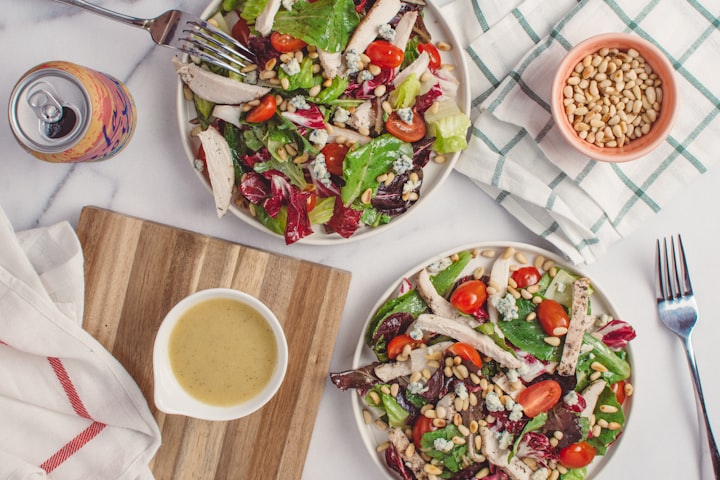
When you’re prepping meals, try to stick to healthy, low-carb recipes such as veggie-packed salads, grilled meats, and roasted vegetables. Try to avoid processed and packaged foods as much as possible and focus on using fresh ingredients instead.
Once you have all your ingredients, cook a few of your meals for the week in one go. This will save you time and energy throughout the week, allowing you to spend more time on other things.
If you’re short on time, consider doing meal prep on the weekend and freezing some of your cooked dishes for future use. This will help you stay on top of your keto goals even when you’re too busy to cook.
Remember, meal prepping is one of the best tips for successfully starting a keto diet. It will help you stay on track and ensure that you’re always eating healthy and nutritious meals!
3) Drink Plenty of Water
Drinking plenty of water is an essential part of any healthy diet and the keto diet is no exception. Staying hydrated is important for optimal health and can help keep your body running efficiently. It’s also essential for avoiding dehydration, which can lead to symptoms such as fatigue, headaches, and muscle cramps.
When it comes to the keto diet, drinking enough water can help you stay on track with your macros. Water consumption can help keep you feeling full and reduce cravings that could lead you to stray from the keto plan. Additionally, drinking water will help your body process fat more effectively and flush out toxins that may be generated by the metabolism of fats.
It’s recommended that you drink half your body weight in ounces of water daily while on the keto diet. For example, if you weigh 150 pounds, you should aim to drink at least 75 ounces of water each day. Be sure to drink water before meals and spread your intake throughout the day for optimal hydration. Adding a few slices of lemon or cucumber can make it more flavorful and enjoyable.
Staying hydrated is an important part of being successful on the keto diet, so make sure to prioritize drinking plenty of water every day.
4) Avoid Processed Foods
If you are serious about starting the keto diet, one of the first steps is to avoid processed foods. Processed foods are loaded with carbohydrates and other ingredients that will quickly take you out of ketosis. By avoiding processed foods, you’ll be able to ensure that you stay in a state of ketosis and continue to burn fat as your main energy source.
The key here is to try and eat whole, unprocessed foods as much as possible. Opt for fresh fruits and vegetables, meats, fish, and nuts. Not only are these foods naturally lower in carbs than processed foods, they are also much healthier and more nutritious. Additionally, they are usually much cheaper than their processed counterparts.
When it comes to snacking, there are plenty of keto-friendly options available that do not require any processing. Some good snacks include full-fat Greek yogurt, hard boiled eggs, cheese slices, nuts, and berries. These snacks are all low-carb, high in healthy fats and protein, and will help keep you on track with your keto goals.
By avoiding processed foods and opting for real, whole foods instead, you’ll be able to ensure that you stay in ketosis and get the most out of your keto diet.
5) Get Enough Sleep
Getting enough sleep is essential for a successful keto diet, as it helps the body to rest and recharge. Studies have found that people who get more than seven hours of sleep per night have better control over their cravings and are less likely to overeat or make poor food choices. A lack of sleep can also lead to hormonal imbalances, which can further disrupt the body’s natural ability to regulate hunger and appetite.
Adequate rest is especially important for those who are new to the keto diet, as this diet can be more demanding on the body and require more energy. Make sure to get at least seven to eight hours of sleep each night, and avoid late night snacks or caffeine near bedtime, as these can interfere with your ability to get good quality rest. Additionally, try to establish a consistent sleep schedule and avoid any unnecessary stressors before bed, such as using electronic devices.
6) Exercise
Regular exercise is important for overall health, and it can be especially beneficial for those on the keto diet. Exercise helps to promote weight loss and burn calories, which helps to support a successful transition into ketosis. In addition, exercise can help to increase energy levels and mental focus, helping you to stay motivated while on the diet.
When it comes to exercising while on the keto diet, you want to focus on high-intensity interval training (HIIT). HIIT is ideal for burning fat quickly and efficiently, and it also helps to improve your overall fitness level. Additionally, HIIT workouts are short and require less energy, which is great for those who may not have a lot of time to dedicate to exercise.
It’s also important to focus on resistance training while on the keto diet. Resistance training is important for building muscle and strength, which can help you to lose fat even more quickly. You don’t need to spend hours in the gym—just 15-20 minutes of intense resistance training a few times a week will help you see results.
Overall, exercise is an important part of the keto diet. Make sure you’re getting enough physical activity each week to ensure that you stay on track with your weight loss goals.
7) Manage Stress Levels
Stress is one of the biggest enemies of any dieter and it can be especially detrimental to those who are just starting out on the keto diet. The body produces cortisol in response to stress, which can lead to weight gain. Additionally, too much stress can lead to a rise in blood sugar levels, which will throw your body out of ketosis and make it difficult for you to lose weight. It’s important to remember that the keto diet is not a race, so take your time and manage your stress levels to avoid any potential setbacks.
Start by setting realistic goals for yourself and your progress on the keto diet. Consider implementing relaxation techniques such as yoga, meditation, and deep breathing into your daily routine to help keep your stress levels under control. Additionally, make sure you are getting enough sleep and exercise throughout the week. Both of these activities can help lower your stress levels and give you the energy to stay motivated on your journey. Finally, take some time each day to do something you enjoy - whether it’s reading a book or going for a walk - to ensure that you don’t get overwhelmed. By managing your stress levels, you can set yourself up for success on the keto diet and achieve the results you desire.
If you want to learn my #1 way to master the keto diet, click here now.
About the Creator
Keep reading
More stories from writers in Education and other communities.
Why I Decided on Business Before I Even Finished School
I’ve always had the need to create something of my own. I never had a dream job. Not even once. When people asked me what I wanted to become, there was no clear answer—because deep inside, I knew I didn’t want to be stuck anywhere. I tried to think about college, about following a “safe” path, but it never felt right. I didn’t feel it. The only thing that ever felt natural to me was business.
By Affiliates Evea day ago in Education
Beyond Algorithms: The Human-AI Connection
It began as a routine assignment. Sofia, a cognitive scientist, had been asked to test a new AI interface called Elios, designed to assist in emotional intelligence training. At first, she thought it would be like any other experiment—data points, behavior patterns, predictive modeling—but what she discovered went far beyond numbers and code.
By hazrat ali2 days ago in Education
The Lesions of Devotion
Every day I set myself down on the freshly cut lawn and strip myself bare. I take my guitar and finger the frets and pick at the strings, listening for dissonance. My life is dissonance. I twist the tuning pegs until each string sounds bright. Then I kneel, calves pointing behind me, kneecaps facing forward. All exposed to the breeze. I close my eyes and play the melody.
By Paul Stewarta day ago in Fiction
Not Just For Clean Up: A History Of The MCU's Department of Damage Control
Initially an organisation that seemed to exist to help the heroes of the Marvel Cinematic Universe, from Phase Four onwards, the Department of Damage Control has shifted into a more antagonistic role. Most recently seen in the Wonder Man series, the current incarnation of Damage Control seems to target superpowered individuals, regardless of whether that person poses an active or intentional threat.
By Kristy Anderson7 days ago in Geeks


Comments
There are no comments for this story
Be the first to respond and start the conversation.