
5 Signs of High-Quality Craftsmanship in Wood Furniture
How to Spot Lasting Quality and Timeless Design in Wooden Furniture
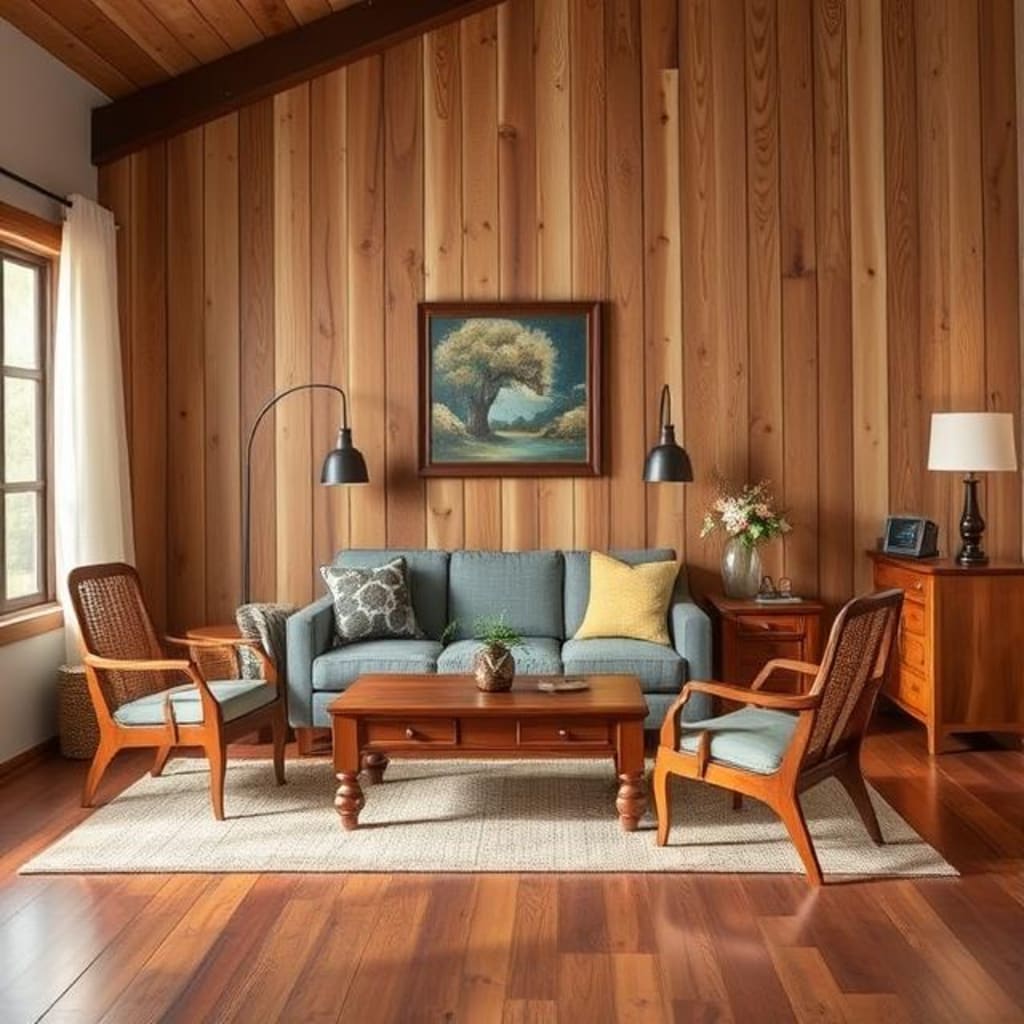
When it comes to wood furniture, craftsmanship makes all the difference. A beautifully made piece can last for generations, becoming a functional heirloom that not only serves a purpose but also enhances the style and comfort of your home. In contrast, poorly made furniture often lacks durability and aesthetic value. Whether you're shopping for a dining table, dresser, or bookshelf, here are five signs that reveal true high-quality craftsmanship in wood furniture.
1. Solid Wood Construction
The foundation of well-crafted furniture is the use of high-quality materials. Solid hardwoods—such as oak, maple, walnut, cherry, or ash—are the gold standard. These woods are not only durable but also age gracefully, developing character and depth over time. Unlike particle board or MDF (medium-density fiberboard), solid wood won’t sag, warp, or chip easily. A key sign to look for is consistency in the wood grain across the surface—this indicates authenticity and careful material selection. Avoid furniture with paper-thin veneers over cheap core materials; they may look nice at first but are unlikely to withstand daily use.
2. Traditional Joinery
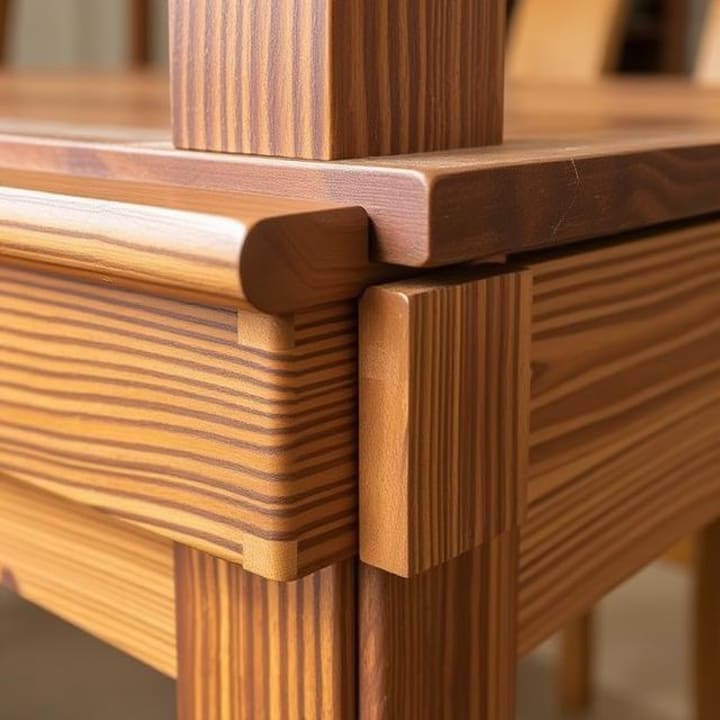
Joinery refers to how different parts of a piece are connected. High-quality wood furniture uses traditional joinery methods like dovetail joints (common in drawers), mortise-and-tenon joints, or dowels. These methods are not only structurally sound but also demonstrate the maker’s skill and attention to detail. If you see staples, nails, or glue-heavy construction, it's often a sign of mass production and lower quality. Carefully crafted joints provide strength and ensure the piece remains solid and stable for years.
3. Smooth, Durable Finish
The finish on wood furniture does more than provide shine—it protects the surface and enhances the natural grain and color of the wood. A high-quality piece will have a smooth, even finish without blotches, bubbles, or rough patches. Hand-applied finishes like oil, wax, or shellac typically signal extra care and allow the wood to breathe, age, and develop a natural patina. These finishes may require a bit more maintenance but are easier to touch up and repair than synthetic coatings.
4. Functional Design and Proportions
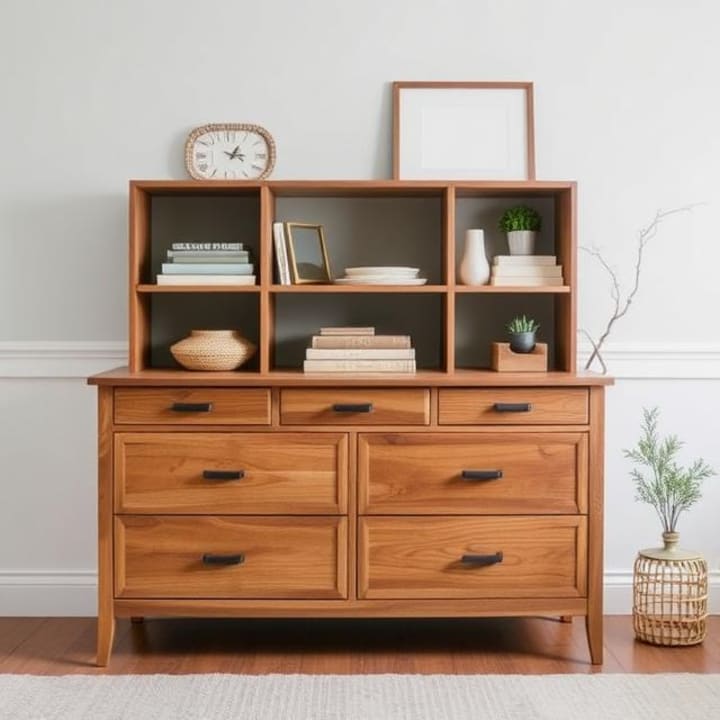
Craftsmanship extends to how a piece is designed and how well it functions in daily use. Quality furniture should feel solid and balanced—no wobbling or uneven surfaces. Drawers should open and close smoothly, ideally with wood-on-wood glides or well-made metal hardware. Doors should align properly and stay shut without force. Good design also includes thoughtful proportions, ensuring that the piece not only looks elegant but also suits its intended purpose.
5. Refined Details and Finishing Touches
One of the most telling signs of high-quality craftsmanship lies in the details. This includes subtle features like beveled edges, hand-carved accents, wood inlays, and consistent sanding along hidden edges and corners. These elements take extra time and effort, often pointing to a maker who takes pride in their work. Even the undersides and backs of furniture should be neatly finished—if they are ignored, it may suggest shortcuts were taken elsewhere.
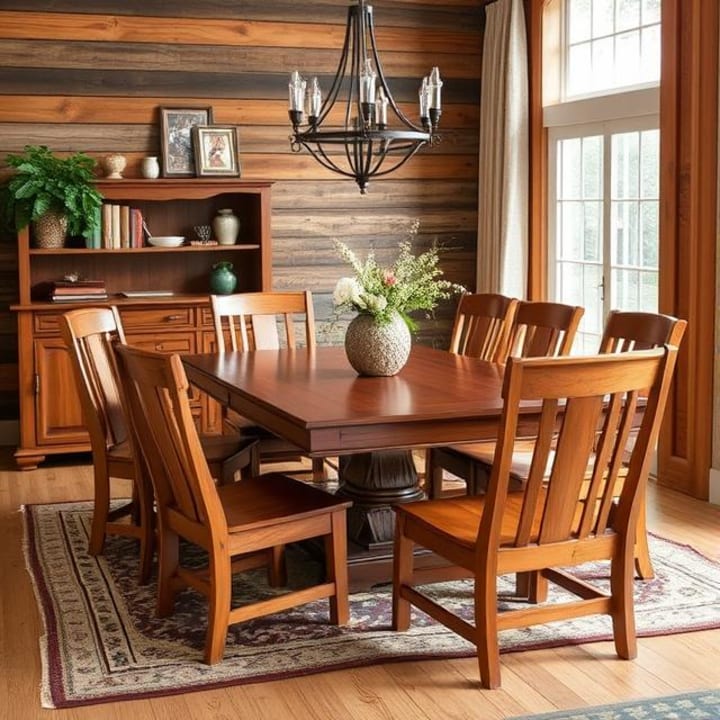
High-quality wood furniture is an investment—one that pays off through longevity, beauty, and daily satisfaction. By understanding what to look for in materials, joinery, finish, functionality, and detailing, you can confidently choose pieces that will stand the test of time. Ultimately, true craftsmanship isn’t just seen—it’s felt in the way a piece performs, ages, and becomes part of your life.
About the Creator
Keep reading
More stories from OPAA LIVING and writers in Education and other communities.
The Intersection of Function and Beauty: Modern Furniture Innovations
In recent years, the world of furniture design has experienced a revolutionary shift. What was once a clear division between practicality and aesthetics is now a seamless integration of both. Modern furniture innovations are focusing on combining form and function in ways that were once thought impossible. Today’s furniture isn’t just about looking good—it’s about creating versatile, functional, and visually stunning pieces that cater to the dynamic needs of contemporary living.
By OPAA LIVING10 months ago in Education
What causes cavities
When a team of archaeologists recently came across some 15,000-year-old human remains, they made an interesting discovery. The teeth of those ancient humans were riddled with holes. Their cavities were caused by the same thing that still plagues us today: specific tiny microbes that live in our mouths.
By Munesh Yadava day ago in Education



Comments
There are no comments for this story
Be the first to respond and start the conversation.