
5 Most Effective Disciplinary Techniques For Your Child's Brighter Future
There is a lot of research out there now on effective disciplinary techniques for your child's bright future that are based on compassion and respect.

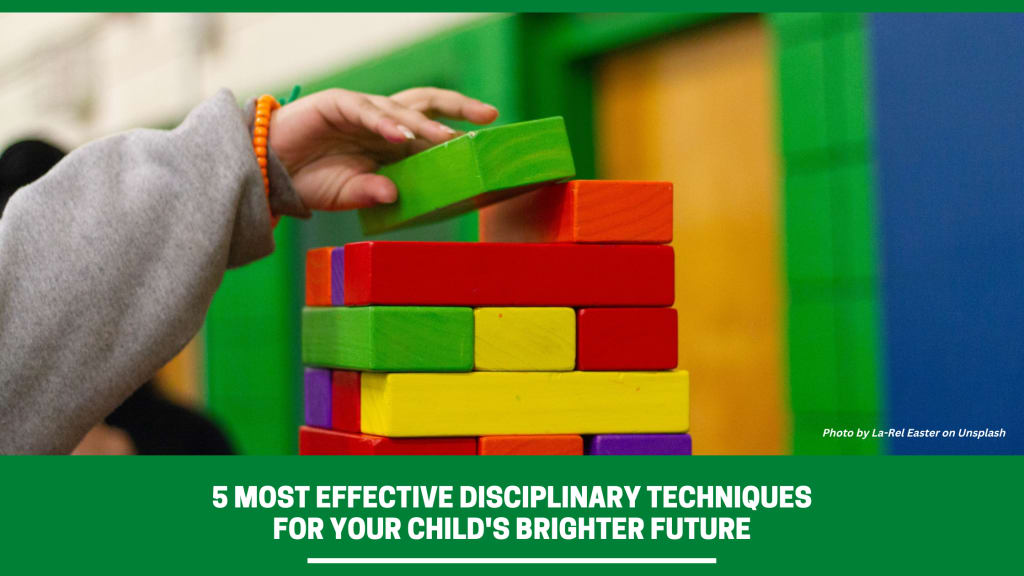
Every child is chaotic, rebellious, and entertaining in their own unique way. They have distinct personalities and approaches to dealing with unusual situations. One of your responsibilities as a parent is to teach your child proper behaviour with the help of best preschool learning videos. The majority of traditional disciplinary techniques involved harmful punishments that lacked empathy and communication. The use of capital punishment, scolding, or any other form of punishment can have long-term effects on your child's self-esteem and confidence. Furthermore, it may not be effective in changing their behavior. These disciplinary methods, however, have long been replaced by healthier alternatives. There is a lot of research out there now on effective disciplinary techniques for your child's bright future that are based on compassion and respect.
Treat them like adults
There are numerous reasons why treating your child as an adult is one of the most effective discipline strategies. However, this does not imply that you expect them to handle finances or chores on their own. It is critical for your child to feel on the same level as you. Talk to them with compassion and respect, and let them know you believe in their ability to change their behavior. When your child makes a mistake, initiate one-on-one conversations to discuss what both of you think about the problem and how it may affect your child in the future.
Reward their good behaviours
If you constantly point out your child's bad behaviors while ignoring their good ones, they may give up trying. According to experts, rewarding your child for good behavior can have a direct impact on their self-esteem. Lack of worthiness leads to a low mood and motivation to show up. So, when your child exhibits good behavior, reward them with a compliment, a trip to their favorite park, or some free time. Positive discipline techniques such as praise and reward are critical for their healthy development.
Ignore the little things
Children thrive on both positive and negative attention. As a parent, you've probably observed your children engaging in a negative behavior (such as screaming) despite previous reprimands. Ignoring is one of the most effective disciplining techniques used by parents in situations like this. Pretend you're not paying attention when your child throws tantrums, drops food on purpose, or breaks toys. It may be difficult, but they will eventually realize that their negative behaviors are not working. However, determining which behaviors to ignore and which require attention is an ongoing process, and it is best to seek the advice of a specialist in this regard.
Be calm
It can be upsetting to see your child refuse to eat healthy foods or do their homework. The key to developing discipline, however, is to remain calm and supportive. Scolding them every time they misbehave is a form of emotional abuse that can harm their mental health in the long run. So, if you're upset, take some time off and talk to them when you're ready. You can then use appropriate discipline techniques to strengthen your bond with them and encourage them to learn.
Set limits for your children
Children have short attention spans and may not remember something you discussed a long time ago. Furthermore, changing behaviors is an ongoing process that requires patience, constant reminders, and support. One of the most effective methods of discipline is to clearly communicate your expectations of them. Make amusing posters around the house about "house rules that everyone must follow." "Behave properly" may be too broad, but "don't drop your food" is more specific and addresses one specific behaviour with the help of preschool videos for learning. Determine what your child needs to change and address each one individually over time.
Conclusion
Raising a responsible child requires a lot of patience and support from you. Plan ahead of time, prepare to be calm and patient, and consciously reward their positive behaviors. Because they feel respected, ignored when they misbehave, and rewarded for good behavior, your child will be more responsible. It's a lengthy process that may take months to yield results, but it's the most effective way to discipline your child for a bright future.
About the Creator
Amit Kumar
Full-time thinker & part-time writer...
Keep reading
More stories from Amit Kumar and writers in Education and other communities.
5 Creative Ways to Promote Physical Fitness in Kids
The value of physical activity cannot be overstated. A healthy and active body is essential for a student's overall development. A physically fit child can grasp concepts, pay attention, and remember information much more effectively. Sports, dance, swimming, trekking, and other activities that promote fitness in children abound. Because children have shorter attention spans, they may avoid exercises that appear boring. Choose enjoyable activities for your children to develop a long-term fitness habit. Here are five inventive ways to encourage children's physical fitness.
By Amit Kumar3 years ago in Education
Is Pharmacy Tech a Good Career Choice for 2026?
Given the recent shifts in the market and AI automation, people are now well aware that economic shakeups can drastically hinder their income sources. This is causing a lot of people to switch careers, and a majority of people are targeting healthcare roles. However, not all allied healthcare roles are created equal. Also, you can aim to become a medical assistant, but if you do not want to deal with patients, the ideal role for you is that of a Pharmacy Technician.
By Meaghan Howe2 days ago in Education




Comments
There are no comments for this story
Be the first to respond and start the conversation.