
5 Mind-Blowing Facts About Mosquitoes You Probably Didn’t Know
Think mosquitoes are just annoying little bloodsuckers? Think again. These surprising facts reveal the hidden science, danger, and mystery behind one of the world’s oldest and deadliest insects.

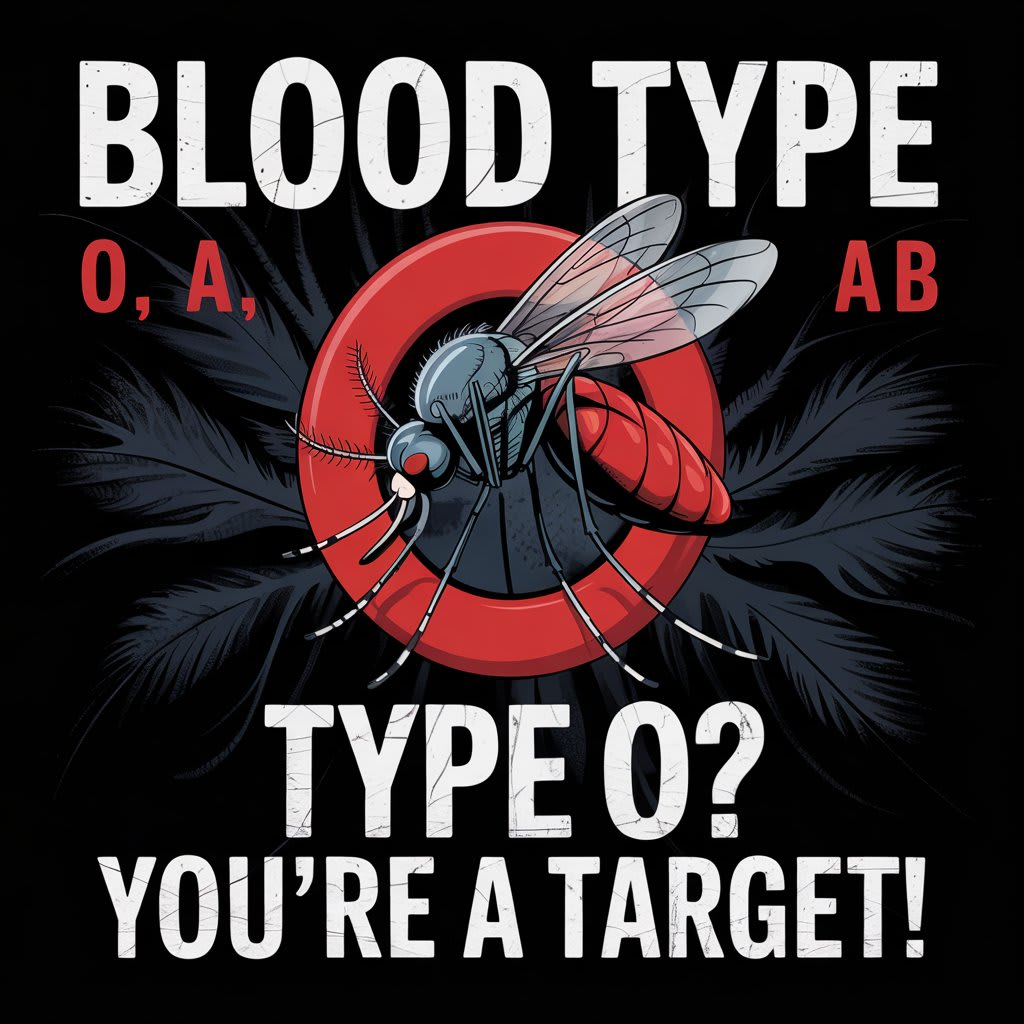
- Mosquitoes Are Attracted to Certain Blood Types and Even Your Breath
Believe it or not, mosquitoes are picky eaters. Studies have shown that mosquitoes are significantly more attracted to people with Type O blood than those with Type A, B, or AB. Scientists think this might be due to certain chemicals excreted by the skin that signal blood type.
But blood type isn’t the only factor. Mosquitoes are also drawn to:
Body heat and sweat (especially the lactic acid it contains)
Alcohol consumption (which increases sweat and body temp)
Dark-colored clothing (mosquitoes see contrast better)
Pregnant women (they exhale more CO₂ and have higher body heat)
Genetics (some people naturally emit more attractant chemicals)
So if you’re constantly getting bitten while your friends are untouched, you might just be a mosquito magnet by nature — or biology.
2. Mosquitoes Are the Deadliest Creatures on Earth — By Far
Sharks, snakes, lions — these predators get a lot of attention. But none of them come close to the death toll caused by the tiny mosquito. According to the World Health Organization, mosquitoes are responsible for over 1 million deaths per year, primarily due to the diseases they carry, like malaria, dengue fever, Zika virus, chikungunya, and yellow fever.
Malaria alone kills a child every two minutes in parts of the world where healthcare is limited. And these diseases don’t just cause death — they lead to long-term disability, poverty, and social challenges for entire communities.
To put it in perspective: in terms of human death, mosquitoes are more dangerous than wars, terrorism, and natural disasters combined. That tiny buzzing sound is more than annoying — it's terrifying on a global health scale.
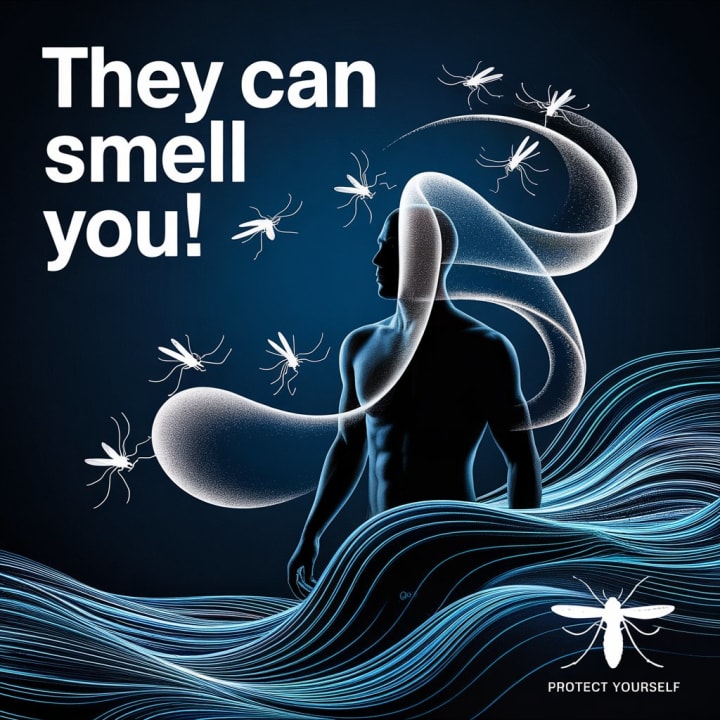
3. Mosquitoes Can Smell You From 100 Feet Away
Ever notice how some people get swarmed by mosquitoes while others are barely bothered? It's not just luck. Mosquitoes use an ultra-sensitive sense of smell to locate their targets — and they can detect carbon dioxide (CO₂) from over 100 feet away.
Humans exhale CO₂ with every breath, and that’s like ringing the dinner bell for nearby mosquitoes. Once they pick up the scent, they start zeroing in using additional cues like body heat, sweat chemicals, and even the bacteria on your skin. Some researchers suggest that foot odor is especially attractive to certain mosquito species (yikes!).
Fun fact: mosquitoes even have antennae loaded with olfactory sensors, far more sensitive than those of dogs. They don’t just smell you — they track you.
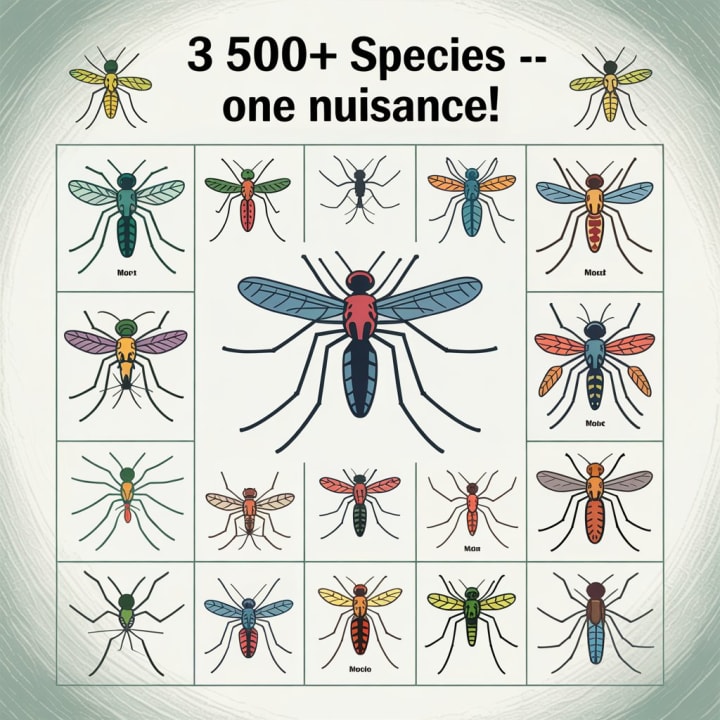
4. There Are Over 3,500 Species of Mosquitoes — And They're Not All the Same
When you think of mosquitoes, you probably imagine one generic bug — but in reality, there are over 3,500 known species of mosquitoes around the world. Not all of them bite humans, and not all of them carry diseases.
Some prefer birds, others go after amphibians, reptiles, or even other insects. Out of those thousands of species, only a few hundred actually pose a threat to humans. But those that do — like Aedes aegypti, Anopheles gambiae, and Culex pipiens — are notorious for transmitting life-threatening diseases.
Interestingly, different mosquito species are active at different times:
Aedes aegypti bites during the day.
Anopheles mosquitoes bite mostly at night.
Culex are most active at dawn and dusk.
Knowing which mosquitoes are common in your region can help you protect yourself better.
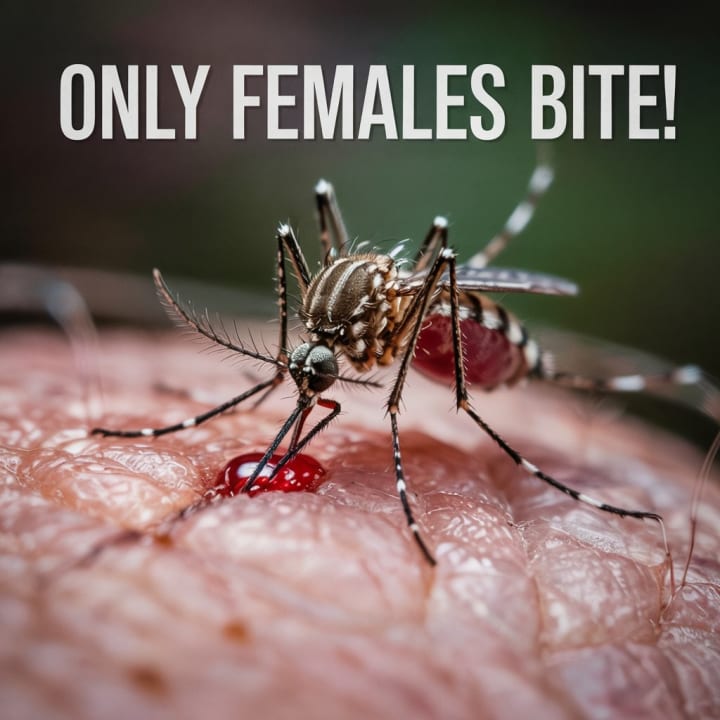
5. Only Female Mosquitoes Bite — And There's a Scientific Reason Why
It might sound like a joke, but it's pure science: only female mosquitoes bite humans and animals. The reason isn't malice or moodiness — it's motherhood. Female mosquitoes require protein and iron found in blood to develop their eggs. Without a blood meal, they simply can't reproduce.
Male mosquitoes, on the other hand, are peaceful pollinators. They survive by feeding on nectar and plant juices, playing a small role in pollination, much like bees. In fact, if mosquitoes didn't transmit deadly diseases, they might even be considered beneficial to some ecosystems.
Next time you swat a mosquito, you can say you were defending yourself from a vampire mom-to-be.
About the Creator
Keep reading
More stories from Royal Captain and writers in Education and other communities.
The Crimson Code – Season 1: The Vault of Shadows
𝙸𝚗 𝚝𝚑𝚎 𝚑𝚎𝚊𝚛𝚝 𝚘𝚏 𝚝𝚑𝚎 𝚌𝚒𝚝𝚢, 𝚏𝚊𝚛 𝚏𝚛𝚘𝚖 𝚝𝚑𝚎 𝚙𝚞𝚋𝚕𝚒𝚌 𝚎𝚢𝚎, 𝚊 𝚖𝚊𝚗 𝚔𝚗𝚘𝚠𝚗 𝚘𝚗𝚕𝚢 𝚊𝚜 𝚃𝚑𝚎 𝙰𝚛𝚌𝚑𝚒𝚝𝚎𝚌𝚝 𝚊𝚜𝚜𝚎𝚖𝚋𝚕𝚎𝚍 𝚊 𝚝𝚎𝚊𝚖. 𝙽𝚘𝚝 𝚓𝚞𝚜𝚝 𝚊𝚗𝚢 𝚝𝚎𝚊𝚖 — 𝚎𝚊𝚌𝚑 𝚖𝚎𝚖𝚋𝚎𝚛 𝚠𝚊𝚜 𝚊 𝚜𝚙𝚎𝚌𝚒𝚊𝚕𝚒𝚜𝚝 𝚒𝚗 𝚌𝚑𝚊𝚘𝚜, 𝚍𝚒𝚜𝚐𝚞𝚒𝚜𝚎, 𝚊𝚗𝚍 𝚜𝚞𝚛𝚟𝚒𝚟𝚊𝚕. 𝚃𝚑𝚎𝚢 𝚌𝚊𝚖𝚎 𝚏𝚛𝚘𝚖 𝚍𝚒𝚏𝚏𝚎𝚛𝚎𝚗𝚝 𝚌𝚘𝚛𝚗𝚎𝚛𝚜 𝚘𝚏 𝚝𝚑𝚎 𝚌𝚘𝚞𝚗𝚝𝚛𝚢, 𝚎𝚊𝚌𝚑 𝚠𝚒𝚝𝚑 𝚊 𝚙𝚊𝚜𝚝 𝚝𝚑𝚎𝚢 𝚠𝚎𝚛𝚎 𝚛𝚞𝚗𝚗𝚒𝚗𝚐 𝚏𝚛𝚘𝚖. 𝙱𝚞𝚝 𝚃𝚑𝚎 𝙰𝚛𝚌𝚑𝚒𝚝𝚎𝚌𝚝 𝚘𝚏𝚏𝚎𝚛𝚎𝚍 𝚝𝚑𝚎𝚖 𝚜𝚘𝚖𝚎𝚝𝚑𝚒𝚗𝚐 𝚝𝚑𝚎𝚢 𝚌𝚘𝚞𝚕𝚍𝚗’𝚝 𝚛𝚎𝚏𝚞𝚜𝚎: 𝚊 𝚌𝚕𝚎𝚊𝚗 𝚜𝚕𝚊𝚝𝚎 𝚊𝚗𝚍 𝚊 𝚌𝚑𝚊𝚗𝚌𝚎 𝚝𝚘 𝚛𝚎𝚠𝚛𝚒𝚝𝚎 𝚝𝚑𝚎𝚒𝚛 𝚕𝚒𝚟𝚎𝚜.
By Royal Captain9 months ago in Chapters
Competitive Distance Running Excellence Built on Repeated High Race Placements
Competitive distance running rewards athletes who can perform well again and again. One strong finish is impressive, but multiple high placements in recent races show true consistency. These results point to smart training, clear focus, and the ability to manage pressure over time. This article explores how competitive distance running athletes achieve repeated success, why high placements matter, and what helps runners stay near the front of the field.
By Daniel Podor3 days ago in Education
Is Pharmacy Tech a Good Career Choice for 2026?
Given the recent shifts in the market and AI automation, people are now well aware that economic shakeups can drastically hinder their income sources. This is causing a lot of people to switch careers, and a majority of people are targeting healthcare roles. However, not all allied healthcare roles are created equal. Also, you can aim to become a medical assistant, but if you do not want to deal with patients, the ideal role for you is that of a Pharmacy Technician.
By Meaghan Howe3 days ago in Education




Comments (1)
I’ve always been a mosquito magnet. I guess I’m just unlucky enough to be the mosquito’s first choice!