
5 Essential Tips for Keto Beginners: How to Succeed on the Low-Carb Diet
Keto Diet
Start Slowly
Starting a ketogenic diet can be a big change, especially if you're used to eating a diet that's high in carbohydrates. It's important to take the time to adjust to this new way of eating, and starting slowly can be helpful.
One way to do this is to gradually reduce your intake of carbohydrates over a few weeks, rather than cutting them out all at once. This can help your body gradually adjust to using fat as its primary source of energy, rather than carbohydrates.
Starting slowly can also help you avoid negative side effects like the "keto flu." The keto flu is a term used to describe a group of symptoms that some people experience when they first start the keto diet. These symptoms can include fatigue, dizziness, headache, nausea, and irritability. Starting slowly can help minimize these symptoms and make the transition to the keto diet a little easier.
Don't Skimp on Healthy Fats
A ketogenic diet is high in healthy fats, and it's important to make sure you're getting enough of these fats in your diet. Healthy fats can help keep you feeling satisfied and energized, and they can also provide a number of health benefits.
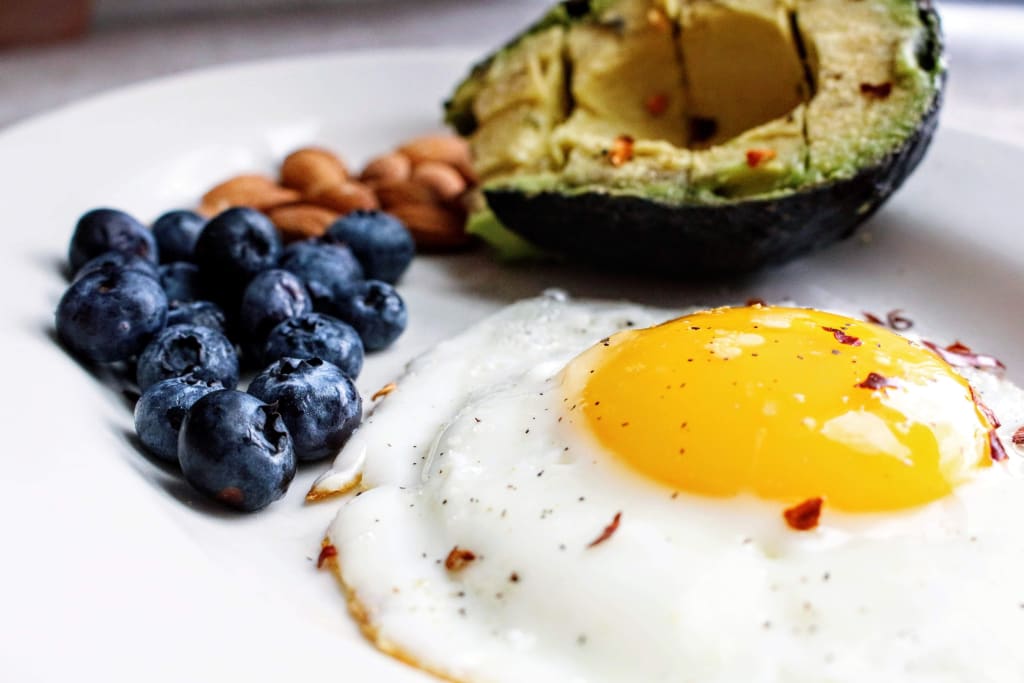
Some healthy fat sources to include in your diet on a keto diet are avocado, olive oil, nuts, and coconut oil. These fats are high in monounsaturated and polyunsaturated fats, which have been shown to support heart health and help lower cholesterol levels.
It's important to note that while a keto diet is high in fat, it's important to choose healthy fats rather than unhealthy ones. Unhealthy fats like trans fats and saturated fats can increase your risk of heart disease and other health problems. Instead, focus on getting your fats from whole, unprocessed sources like nuts, seeds, and avocados.
Plan Ahead
Planning your meals in advance can be a helpful strategy for sticking to a healthy diet, including a ketogenic diet. When you plan your meals in advance, you can make sure you have all the ingredients you need on hand, which can help you avoid impulse purchases or eating out at restaurants.
There are a few different ways you can plan your meals in advance:
Make a meal plan for the week: Choose the meals you want to eat for the week and make a grocery list of the ingredients you need. This can help you stay organized and make it easier to prepare meals at home.
Prep meals in advance: Consider preparing meals in advance, such as making a batch of soup or roasting vegetables on the weekend. This can save you time during the week and make it easier to stick to your keto diet.
Keep healthy snacks on hand: Having healthy snacks available can help you avoid reaching for unhealthy options when you're feeling hungry. Keep a stash of keto-friendly snacks like nuts, seeds, and hard-boiled eggs in your pantry or fridge for when you need a quick bite.
By planning your meals in advance, you can make it easier to stick to your keto diet and make healthier choices.
Stay Hydrated
Staying hydrated is important for overall health, and it's especially important on a ketogenic diet. When you're on a keto diet, your body uses fat as its primary source of energy rather than carbohydrates. This can lead to the production of ketones, which can cause your body to become more acidic. Drinking plenty of water can help flush out excess ketones and keep your body's pH balanced.
In general, it's important to aim for at least 8-12 cups of water per day. You can also include other hydrating beverages like unsweetened tea, low-fat milk, and coconut water. It's important to avoid sugary drinks like soda and fruit juice, as they can add unnecessary calories and sugar to your diet.
By staying hydrated, you can help support your body's overall health and function, and make it easier to stick to your keto diet.
Get Support
Starting a new diet can be challenging, and it's important to have support to help you stay motivated and on track. There are a few different ways you can get support when you're starting a ketogenic diet:
Join a keto support group: There are many online support groups for people following a keto diet. These groups can be a great resource for getting advice, sharing recipes, and connecting with others who are also following the diet.
Work with a registered dietitian: A registered dietitian can provide personalized guidance and support to help you navigate the keto diet and make healthy choices. They can help you create a meal plan, provide advice on what to eat, and answer any questions you may have.
Share your goals with friends and family: It can be helpful to share your goals with friends and family, and ask for their support and encouragement. They can help you stay motivated and hold you accountable to your diet and exercise goals.
By getting support, you can make the process of starting a ketogenic diet a little easier, and increase your chances of success.
About the Creator
Chris Harbin
Passionate about helping others reach their health and fitness goals. Get fit with me! Let's work together to achieve your goals and lead a healthier life.
Keep reading
More stories from Chris Harbin and writers in Education and other communities.
Delicious and Easy Keto Snack Ideas for on-the-go Fuel
If you're following a ketogenic diet, finding convenient and satisfying snack options can be a challenge. But don't worry - we've got you covered with this list of delicious and easy keto snack ideas that are perfect for on-the-go fuel. From hard-boiled eggs and avocado slices to cheese cubes and nuts, these snack ideas are high in healthy fats and protein, and they're easy to pack and take with you wherever you go. So next time you're in need of a quick snack to keep you fueled and satisfied, give one of these keto-friendly options a try!
By Chris Harbin3 years ago in Education
The Red Renaissance Uncorking the Future of Russian Wine in 2026
For decades, the global wine map was a predictable atlas of French Chateaus, Italian vineyards, and New World giants. However, as we move through 2026, a new and unexpected frontier has firmly established its presence: Russia. The Russian wine industry is currently undergoing a "Grand Renaissance," fueled by a combination of aggressive state support, massive private investment, and a geopolitical shift that has turned the domestic market inward. What was once seen as a secondary player, primarily known for mass-produced sparkling wines, has transformed into a sophisticated producer of premium, terroir-driven still wines that are winning over a new generation of health-conscious and patriotic consumers.
By Neeraj kumarabout an hour ago in Education




Comments
There are no comments for this story
Be the first to respond and start the conversation.