
5 Common mistakes made by Stock Trader as a Beginner
Mistakes are just part of our Journey.

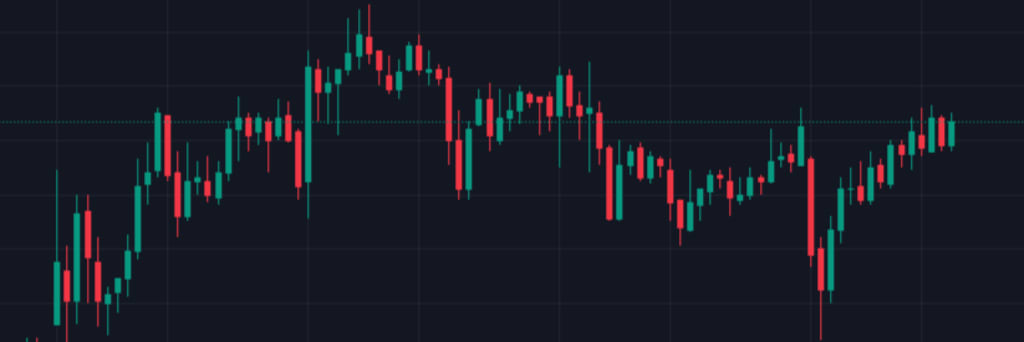
As a beginner in the stock market, it's important to have a clear understanding of the common mistakes made by beginner traders so that you can avoid them and increase your chances of success. In this blog post, we'll explore five common mistakes made by beginner stock traders and provide tips and insights on how to avoid them.
1.Not Having a Plan:
One of the biggest mistakes that beginner traders make is not having a well-defined investment plan. Before entering the stock market, it's essential to have a clear understanding of your investment goals, risk tolerance, and strategies for achieving those goals. This will help you stay focused and avoid making impulsive trades that could be harmful to your portfolio.
Having a plan means setting realistic investment goals, such as achieving a certain rate of return, generating income, or building wealth over time. It also means understanding your risk tolerance, which is the amount of risk you are willing to take on in order to achieve your investment goals. Finally, it means having a strategy in place for achieving those goals, such as investing in a mix of growth and value stocks, or following a value investing strategy.
2.Over-Trading:
Another common mistake made by beginner traders is over-trading. This involves making too many trades in a short period of time, which can lead to significant losses. While it may seem like making more trades will result in more profits, it's important to remember that quality is more important than quantity. Over-trading can also lead to increased transaction costs, which can eat into your profits.
To avoid over-trading, focus on making well-researched trades that align with your investment goals and risk tolerance. Take the time to understand the fundamentals of each stock you are considering and consider the overall market conditions. Additionally, consider using a stop-loss order, which is a type of order that automatically sells a stock if it drops below a certain price, to limit your losses.
3.Focusing on Short-Term Gains:
Many beginner traders get caught up in the excitement of short-term gains and forget about the importance of long-term investments. While it's true that short-term gains can be tempting, they are also unpredictable and not sustainable. In addition, short-term trading can lead to increased transaction costs and tax implications, which can eat into your profits.
Instead of focusing on quick profits, consider taking a long-term approach and investing in stocks that have a solid track record of growth and stability. This could mean investing in blue-chip stocks, which are established companies with a history of stable earnings and growth, or in dividend-paying stocks, which provide a steady stream of income. Additionally, consider using dollar-cost averaging, which is a strategy of investing a fixed amount of money at regular intervals, to help reduce the impact of market volatility on your portfolio.
4.Chasing After Hot Stocks:
Another mistake made by beginner traders is chasing after hot stocks, or stocks that are generating a lot of buzz and are seen as a quick way to make profits. While these stocks may have the potential for high returns, they also come with increased risk and volatility. Additionally, the hype surrounding hot stocks can often be driven by speculation rather than solid fundamentals, making them a risky investment.
Instead of relying on a few high-risk stocks, consider diversifying your portfolio by investing in a mix of growth and value stocks, as well as bonds and other fixed income instruments. This will help to reduce the overall risk of your portfolio and provide a more stable return over the long term. Additionally, consider using a well-diversified index fund, which provides exposure to a wide range of stocks and reduces the risk associated with individual stocks.
5.Ignoring Market Conditions and Economic Data:
Another mistake made by beginner traders is ignoring market conditions and economic data. Market conditions, such as recessions and bear markets, can have a significant impact on stock prices and can lead to significant losses. Similarly, economic data, such as interest rates, inflation, and unemployment rates, can also have a significant impact on stock prices and should be taken into consideration when making investment decisions.
To avoid this mistake, stay informed about market conditions and economic data by reading financial news and reports, and considering the advice of trusted financial advisors. Additionally, consider using technical analysis, which involves analyzing charts and other market data to help identify trends and make investment decisions, to gain a deeper understanding of market conditions.
Conclusion:
In conclusion, avoiding these common mistakes can help you increase your chances of success as a beginner stock trader. By having a well-defined investment plan, avoiding over-trading, focusing on long-term investments, avoiding hot stocks, and staying informed about market conditions and economic data, you can build a strong and profitable investment portfolio. However, it's important to remember that investing in the stock market always comes with some level of risk, and it's important to conduct thorough research and seek the advice of a financial professional before making any investment decisions.
About the Creator
Keep reading
More stories from writers in Education and other communities.
10 Unconventional but Highly Effective Ways to Learn French Faster
Most people who want to learn French all start in the same place. Grammar books, rules, written exercises, conjugation tables, structured courses, and the reassuring feeling of “making progress.” Yet after months, sometimes years, many are still unable to hold a real conversation. They hesitate, translate in their head, search for words, lose confidence, and eventually conclude that French is simply too complicated for them.
By Bubble Chill Media 2 days ago in Education
Why Great Customer Service Is Non-Negotiable for Modern Businesses
Excellent customer service is no longer something businesses can choose to offer later. It is a basic requirement in today’s fast-moving market. Customers expect respect, clear communication, and fast solutions. When they do not get these things, they leave. This is why excellent customer service is non-negotiable for businesses that want to survive and grow.
By Apex Service Partners6 days ago in Education
The Devil's Cut
“Comrade, finally you’re awake.” The voice was smooth, sensual. A flickering incandescent bar was all that lit the white, sterile room. All Vladimir remembered was everything going black. He tried to move his arms and found them strapped to the gurney.
By Matthew J. Fromm4 days ago in Fiction


Comments
There are no comments for this story
Be the first to respond and start the conversation.