
3D Printing Tungsten Alloys: Overcoming Challenges in Powder Bed Fusion
The successful integration of tungsten alloys into PBF processes holds immense potential for various high-performance applications.

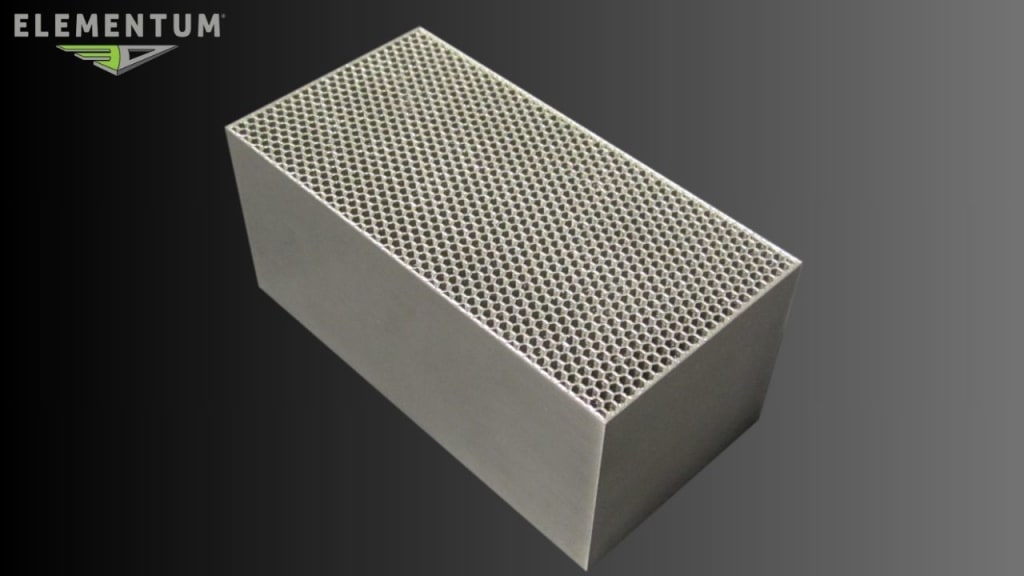
Tungsten, renowned for its exceptional properties—such as the highest melting point among metals (3422°C), remarkable density, and superior thermal conductivity—has become a material of interest in industries like aerospace, nuclear energy, and medical technology. However, these very characteristics that make tungsten desirable also present significant challenges in additive manufacturing (AM), particularly in Powder Bed Fusion (PBF) processes.
The Intricacies of 3D Printing Tungsten
Additive manufacturing of tungsten alloys is fraught with complexities due to several inherent material properties:
- High Melting Point: Tungsten's melting point of 3422°C necessitates extremely high energy input during the PBF process, making it difficult to achieve complete melting and proper layer adhesion.
- Low Laser Absorptivity: Tungsten reflects a significant portion of laser energy, reducing the efficiency of melting during laser-based PBF processes.
- High Thermal Conductivity: Rapid heat dissipation leads to steep thermal gradients, causing residual stresses and potential cracking in the printed parts.
- Brittleness at Room Temperature: Tungsten's ductile-to-brittle transition temperature (DBTT) is relatively high, making it susceptible to cracking during cooling phases.
- Oxygen Affinity: Tungsten readily forms oxides when exposed to oxygen, leading to embrittlement and compromised mechanical properties.
Strategies to Overcome PBF Challenges with Tungsten
Despite these hurdles, researchers and industry leaders have developed several strategies to enhance the printability of tungsten alloys:
1. Optimizing Powder Characteristics
The morphology and size of tungsten powder particles significantly influence the PBF process:
- Spherical Particles: Utilizing gas-atomized, spherical tungsten powders improves flowability and packing density, leading to more uniform layers and better part quality.
- Controlled Particle Size: Fine powders enhance surface finish but may increase oxidation risk; thus, a balance must be struck to optimize both printability and part integrity.
2. Process Parameter Adjustments
Fine-tuning PBF parameters is crucial:
- Laser Power and Scan Speed: Higher laser power can improve melting, but excessive energy may cause defects. Optimal scan speeds prevent incomplete melting and reduce residual stresses.
- Hatch Spacing and Layer Thickness: Adjusting these parameters influences heat distribution and layer bonding, impacting overall part density and strength.
3. Preheating the Build Platform
Elevating the temperature of the build platform helps in:
- Reducing Thermal Gradients: Preheating minimizes temperature differentials between layers, decreasing residual stresses and the likelihood of cracking.
- Lowering DBTT Effects: Maintaining temperatures above tungsten's DBTT during printing enhances ductility and reduces brittleness.
4. Alloying and Composite Formation
Incorporating other elements can improve tungsten's printability:
- Alloying with Elements like Rhenium or Tantalum: These additions can enhance ductility and reduce the DBTT, improving the material's response to thermal stresses.
- Forming Tungsten-Based Composites: Combining tungsten with ceramics or other metals can tailor properties to specific applications, balancing strength and printability.
5. Post-Processing Techniques
Post-processing can alleviate defects and enhance properties:
- Hot Isostatic Pressing (HIP): Applying high pressure and temperature uniformly can close internal pores and heal microcracks, improving mechanical integrity.
- Heat Treatments: Controlled heating and cooling cycles can relieve residual stresses and refine microstructures, enhancing overall performance.
Elementum 3D's Role in Advancing Tungsten AM
Elementum 3D is at the forefront of developing high-performance tungsten materials for additive manufacturing. Their research focuses on:
- Innovative Powder Development: Creating gas-atomized tungsten powders with optimized characteristics for PBF processes.
- Application-Specific Solutions: Tailoring tungsten alloys to meet the demands of industries like aerospace, defense, and medical technology.
By addressing the challenges associated with tungsten's unique properties, Elementum 3D aims to expand the material's applicability in advanced manufacturing sectors.
The Promise of Tungsten in Advanced Applications
The ability to successfully 3D printing tungsten alloys could revolutionize manufacturing in several high-performance sectors. In aerospace, tungsten's density and thermal resistance make it ideal for components like rocket nozzles and radiation shielding. In the medical field, its radiopacity makes it useful for devices in cancer treatment and imaging. However, these applications demand precise geometries and internal structures that are difficult to achieve with traditional methods—highlighting the unique advantage of additive manufacturing. Powder bed fusion enables the creation of complex geometries and internal lattices that can enhance both performance and material efficiency.
Sustainability Benefits of Additive Manufacturing with Tungsten
Another key advantage of using PBF for tungsten alloy parts is the reduction in material waste. Traditional tungsten machining is inefficient due to the material's brittleness and hardness, which can lead to significant losses during subtractive processes. With additive manufacturing, material is only used where needed, making it a more sustainable and cost-effective solution. This not only reduces the environmental footprint but also lowers production costs—especially important for expensive, high-density materials like tungsten.
Industry Collaborations and Standardization Efforts
The growth of tungsten in additive manufacturing also relies on greater collaboration across industry and academia. Partnerships between materials developers like Elementum 3D, research institutions, and aerospace or defense organizations are accelerating the pace of innovation. In parallel, standardization bodies are working on defining quality benchmarks for tungsten AM powders and parts. These collaborative efforts are essential to build trust and ensure consistency as tungsten transitions from a lab material to a mainstream solution in industrial-scale additive manufacturing.
Future Outlook
The successful integration of tungsten alloys into PBF processes holds immense potential for various high-performance applications. Continued research and development in powder optimization, process parameter refinement, and post-processing techniques are essential to fully harness tungsten's capabilities in additive manufacturing.
About the Creator
Elementum 3D
Elementum 3D is the leader in AM Materials - advanced manufacturing powders for all your 3D printing including Aluminum, Copper, Nickel, Steel, and more.
Keep reading
More stories from Elementum 3D and writers in Education and other communities.
How Can 3D Printing Aluminum Help Your Business or Project?
In today's rapidly evolving manufacturing landscape, aluminum 3D printing is emerging as a transformative technology. By enabling the creation of complex, lightweight, and high-strength components, it offers businesses across various industries a competitive edge. Companies like Elementum 3D are at the forefront, providing advanced materials and technologies that push the boundaries of what's possible in additive manufacturing.
By Elementum 3D9 months ago in Education
Healing the Hidden: Healthcare for the World’s Most Remote Populations
Across the globe, millions of people live in areas where access to healthcare is limited or nearly impossible. These communities, often tucked away in mountains, deserts, forests, or on distant islands, face challenges beyond the scope of ordinary medical care. Isolation, inadequate infrastructure, and shortages of trained medical professionals create a situation in which even basic health services are hard to obtain. Addressing these challenges requires creative solutions, collaboration, and a commitment to ensuring that no population is left behind.
By Baitulmaalabout 15 hours ago in Education



Comments
There are no comments for this story
Be the first to respond and start the conversation.